No products in the cart.

Understanding Sector Cycles for Investment Strategies in 2026
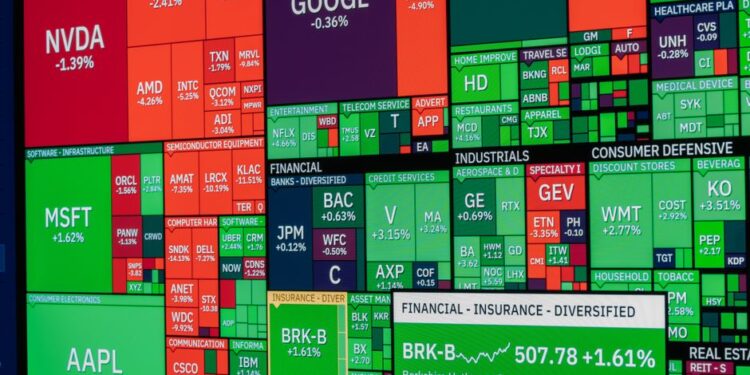
Understanding sector cycles is essential for investors looking to navigate the complexities of the market. This article explores historical trends, macroeconomic influences, and strategies for sector rotation, highlighting key sectors expected to perform well in 2026.

India’s investment landscape is changing as experts analyze sector performance trends leading into 2026. Understanding which sectors are likely to grow is crucial for investment analysts and financial advisors. Recent insights show that sectors like IT, FMCG, and finance are expected to do well, while others may struggle. Career Ahead’s analysis uses multiple data sources to help investors navigate this complex environment.
Sector performance can be unpredictable. It is often influenced by macroeconomic factors and market sentiment. For example, the IT sector faced challenges in previous years but is now recovering due to increased digital transformation and cloud adoption. Similarly, the FMCG sector shows promise as consumer spending rebounds. Understanding these trends is essential for making informed investment decisions.
Historical Performance Trends and Their Impact
Career Ahead’s research shows a clear pattern in sector performance over the past decade. Data from the Bandhan Contra Fund indicates that sectors like media have been out of favor for long periods. In contrast, sectors like realty and pharma have often topped performance charts. This cyclical behavior suggests that investors need to be vigilant and adaptable.
According to analysis from westmountfundamentals.com, sectors do not hold their leadership positions for long. For instance, IT and realty both faced significant challenges before recovering. The IT sector’s resurgence was largely driven by the pandemic’s acceleration of digital initiatives, changing the landscape for tech investments.
The cyclical nature of sectors highlights the importance of timing. Investors should know that almost no sector stays at the top for more than two to three consecutive years. This reality calls for a strategy of periodic rebalancing instead of a buy-and-hold approach. Experts note that a sector that seems undervalued today may still lack the necessary catalysts for a turnaround.
Career Ahead’s analysis indicates that understanding historical performance cycles can provide critical insights. For example, sectors currently undervalued but showing signs of recovery, like media, may offer significant investment opportunities. However, it is essential to identify the underlying catalysts that could drive these sectors forward.
Career Ahead’s analysis indicates that understanding historical performance cycles can provide critical insights.
Strategies for Sector Rotation Investing
Sector rotation is a strategy that involves shifting investments from one sector to another based on economic cycles. Career Ahead’s insights highlight the need to recognize when to pivot investments. As the economy recovers, sectors like finance and infrastructure are expected to see increased investment, while traditionally strong sectors may face challenges.
Data from startus-insights.com emphasizes the importance of macroeconomic indicators in guiding sector rotation decisions. Analysts should monitor factors like interest rates, inflation, and consumer confidence, as these can influence sector performance. For example, rising interest rates may negatively impact sectors reliant on consumer borrowing, such as real estate.
Additionally, it’s crucial to consider the earnings potential of sectors. Investors should seek sectors with favorable macroeconomic conditions and strong earnings growth potential. This combination can provide a solid foundation for investment decisions.
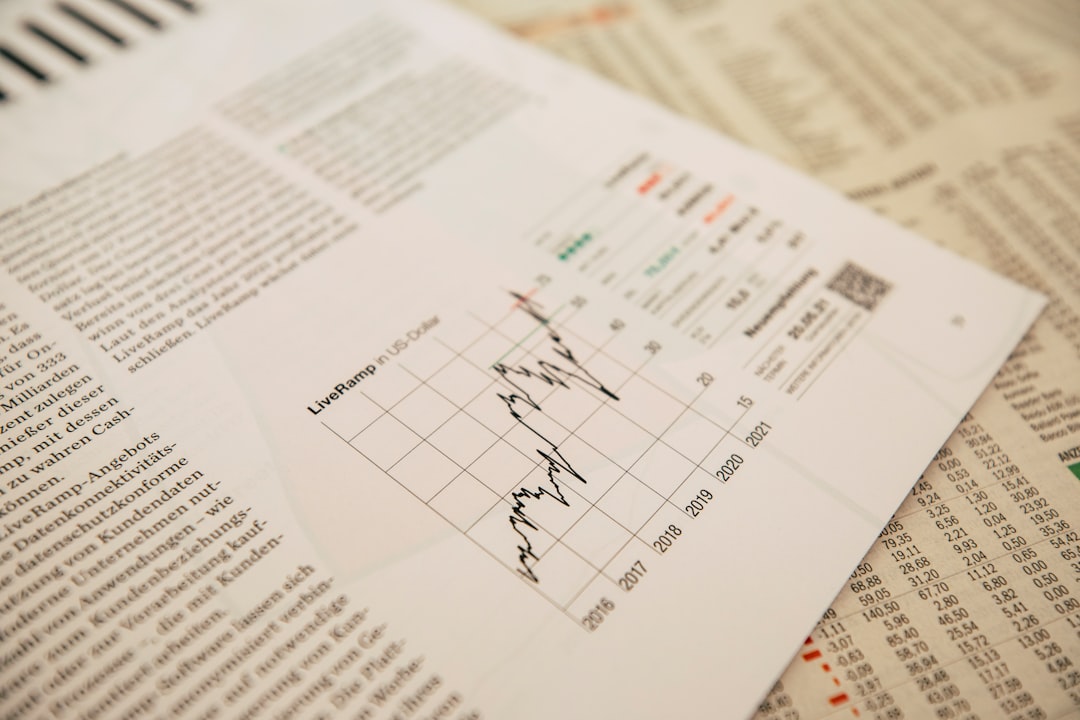
Recent analysis shows that sectors like IT and FMCG are currently trading below their historical averages, suggesting potential for growth. Investors who identify these trends early may position themselves advantageously. However, they must also stay alert to potential risks, such as changes in consumer behavior or unexpected economic downturns.
Furthermore, understanding sector performance dynamics can lead to better investment timing. For instance, if a sector is emerging from a downturn, it may be wise to invest early in the recovery phase. This proactive approach can yield significant returns as the sector gains momentum.
Career Ahead’s analysis suggests that understanding these influences is crucial for investment analysts.
Impact of Macroeconomic Factors on Sector Performance
Macroeconomic factors play a key role in shaping sector performance. Career Ahead’s analysis suggests that understanding these influences is crucial for investment analysts. Global economic trends, trade policies, and geopolitical events can significantly impact sector performance.
According to markets.ft.com, sectors like technology and finance are particularly sensitive to macroeconomic shifts. Changes in government policies or economic conditions can lead to rapid shifts in investor sentiment, affecting stock prices and sector performance. For instance, the recent focus on sustainability has led to increased investments in green technologies and renewable energy sectors.
As the economy evolves, so do consumer preferences. Analysts should pay attention to shifts in consumer behavior, as these can signal changes in sector demand. For example, the rise of e-commerce has transformed retail, benefiting sectors related to logistics and technology.

Career Ahead’s findings suggest that investment analysts must take a holistic approach when evaluating sectors. This includes considering historical performance and potential macroeconomic influences that could affect future growth. By doing so, they can better position their clients for success in a dynamic market environment.
As we look ahead to 2026, the interplay between macroeconomic factors and sector performance will remain critical for investors. Understanding these dynamics will be essential for navigating the complexities of the investment landscape.
Career Ahead’s analysis indicates that sectors like IT, FMCG, and finance are expected to perform well in 2026, driven by favorable market conditions and recovery trends.
Investment analysts and financial advisors must stay agile and informed. The ability to adapt to changing market conditions will be crucial for making sound investment decisions that align with client goals.
Frequently Asked Questions
What sectors are projected to perform well in 2026?
Career Ahead’s analysis indicates that sectors like IT, FMCG, and finance are expected to perform well in 2026, driven by favorable market conditions and recovery trends.
How can I advise clients on sector rotation strategies?
Investment analysts should focus on macroeconomic indicators and sector performance trends to guide clients on when to shift investments. Recognizing the signs of sector recovery can help in making informed decisions.

What historical trends should investment analysts consider for future predictions?
Analysts should examine past sector performance cycles, noting how sectors have moved in and out of favor. This historical context can provide valuable insights into future investment opportunities.
Related Articles
- Sebi Regulates Bullion Trades Under Vault Management Rules
Written by Career Ahead AI. AI can make mistakes, so verify key facts. Report errors to support@careeraheadonline.com.