Kabul, Afghanistan — The United Nations Children’s Fund (UNICEF) has issued a strong call for the Taliban to uphold the right to education for girls in Afghanistan. As the country faces a severe education crisis, UNICEF’s latest report reveals that over 90% of 10-year-olds cannot read a simple text, indicating a widespread failure in the education system. This crisis is primarily a result of school closures, a lack of qualified teachers, and restrictive curriculum policies that have emerged since the Taliban regained power in August 2021.
On January 24, local media reported that girls above sixth grade and female university students have urged the Taliban regime to allow them to return to schools and universities in the upcoming academic year. The situation has become increasingly dire, with UNICEF warning that unless reforms are implemented, the education crisis will continue to deepen, leaving millions of children without basic learning opportunities.
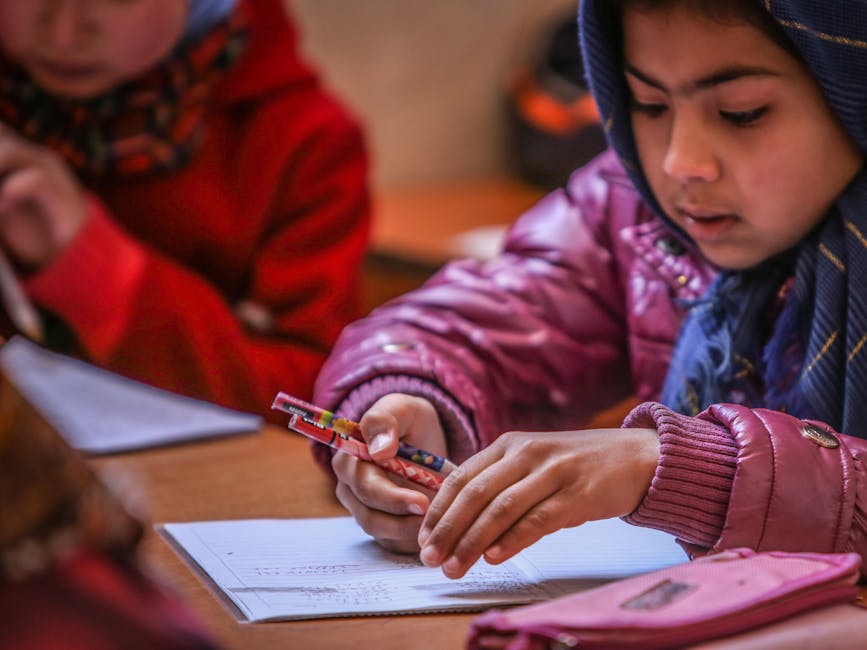
The report highlights that approximately 2.2 million adolescent girls in Afghanistan currently lack access to education. The Taliban’s ban on girls’ education beyond the sixth grade, along with the suspension of female university education, has left many young women feeling hopeless and trapped. Madina Ahmadi, a resident of Kabul, expressed her frustration, stating, “It has been four years since we were deprived of going to school. Four years ago, I was studying in the eighth grade and always dreamed of finishing school and taking the Kankor entrance exam.”
Ahmadi’s plea reflects a growing sentiment among young Afghan women who aspire to contribute to society and pursue their dreams. Salma, another resident of Kabul, shared her story of being a ninth-grade student when the Taliban took control. “If we had not been banned from attending school, I would have graduated by now,” she lamented. These voices illustrate the urgent need for the Taliban to reconsider its stance on girls’ education and recognize the potential of these young women.
The Alarming State of Education in Afghanistan
UNICEF’s findings paint a grim picture of the education landscape in Afghanistan. The organization emphasizes that the education system is at a critical juncture, with children not receiving even the most basic learning. The lack of access to education has far-reaching implications, not only for the individual students but also for the entire nation. A generation of children is at risk of growing up without the skills necessary to contribute to their communities and the economy.
The organization emphasizes that the education system is at a critical juncture, with children not receiving even the most basic learning.
 Education & University Insights
Education Ranks as the Most Cyber-Attacked Sector
An LMS breach exposed student data, while AI can tailor phishing and clone school leaders’ voices.
Read More →According to UNICEF, the education crisis is compounded by factors such as the ongoing conflict, economic instability, and cultural norms that prioritize male education over female education. The organization warns that the longer girls remain out of school, the more entrenched these issues will become, perpetuating a cycle of poverty and illiteracy.
UNICEF’s call to action is not just about education; it is about ensuring the future of Afghanistan. By investing in girls’ education, the country can unlock the potential of half its population and foster economic growth. Education is a fundamental human right, and UNICEF stresses that it is crucial for the Taliban to uphold this right for all Afghan children.
UNICEF’s report underscores the need for international support and pressure on the Taliban to change its policies regarding girls’ education. The organization advocates for continuous investment in early education, literacy, and numeracy to ensure that all children have the opportunity to succeed. Without these investments, the crisis will only worsen, leaving future generations without the skills they need to thrive.
What This Means for Girls’ Futures in Afghanistan
The implications of the education crisis in Afghanistan extend beyond immediate access to schooling. For young girls like Madina and Salma, the denial of education is a denial of opportunity. It limits their potential and restricts their ability to contribute to society. As the Taliban continues to enforce its policies, the future for these girls looks increasingly bleak.
Education is not merely about acquiring knowledge; it is about empowerment. Girls who receive an education are more likely to become leaders in their communities, advocate for their rights, and contribute to the economy. Conversely, without education, they face a future of limited choices and opportunities.
 Education & University Insights
Education Leaders Stress Early University Succession
The conclave brought institutional and technology leaders together to examine university transitions and long-term vision.
Read More →The international community has a crucial role to play in advocating for the rights of Afghan girls. By applying pressure on the Taliban and supporting initiatives that promote girls’ education, there is hope for change. Organizations like UNICEF are working tirelessly to raise awareness and push for reforms, but they cannot do it alone.
Without these investments, the crisis will only worsen, leaving future generations without the skills they need to thrive.
- Advocate for Policy Change: Engage with policymakers and urge them to prioritize girls’ education in Afghanistan.
- Support NGOs: Contribute to organizations working on the ground to provide educational resources and support for girls.
- Raise Awareness: Use social media platforms to share stories and raise awareness about the plight of Afghan girls.
However, some experts caution that the situation may not improve without significant changes within the Taliban’s leadership structure. They argue that the current regime is unlikely to prioritize education reform without external pressure and incentives. The longer the international community waits to act, the more entrenched the barriers to education will become.
The Future of Education Rights in Afghanistan
The future of education for girls in Afghanistan remains uncertain. While UNICEF’s call to action is a step in the right direction, the real change will depend on the Taliban’s willingness to adapt its policies. As the world watches, the pressure on the regime to allow girls access to education will likely intensify.
For young girls in Afghanistan, the hope for a better future hinges on education. As they continue to advocate for their rights, the international community must stand in solidarity with them. The question remains: will the Taliban listen, and will change come in time to save a generation?
Written by Career Ahead AI. AI can make mistakes, so verify key facts. Report errors to support@careeraheadonline.com.