No products in the cart.

Unlocking Shale’s Growth: 27 Innovations for a New Era

Discover how 27 innovations in drilling, AI, and materials could boost U.S. shale production by 30%, reshaping the energy landscape.


“`html
A New Era in Shale Production
27 Innovations Transforming Shale
McKinsey’s report, “Shale’s Next Surge: How 27 Innovations Could Unlock a New Growth Era,” outlines how technical upgrades could boost U.S. shale output by 20-30% over the next decade. It categorizes these innovations into three areas: drilling precision, well-completion efficiency, and digital optimization. Analysts believe these changes could lead to a significant resurgence in U.S. gas production.
Advanced Drilling Technologies
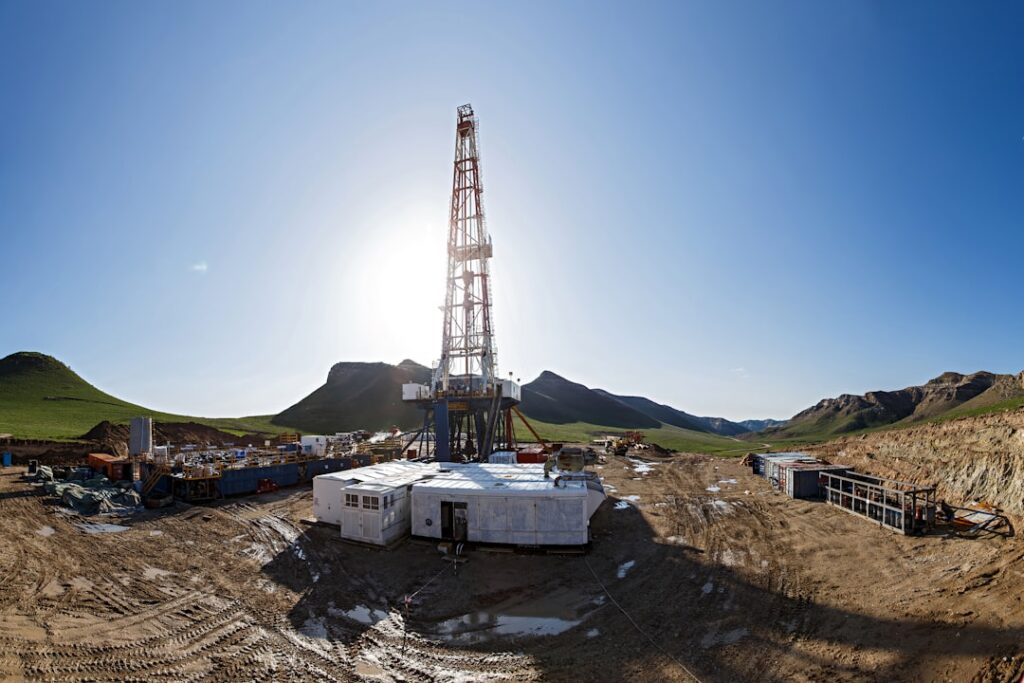
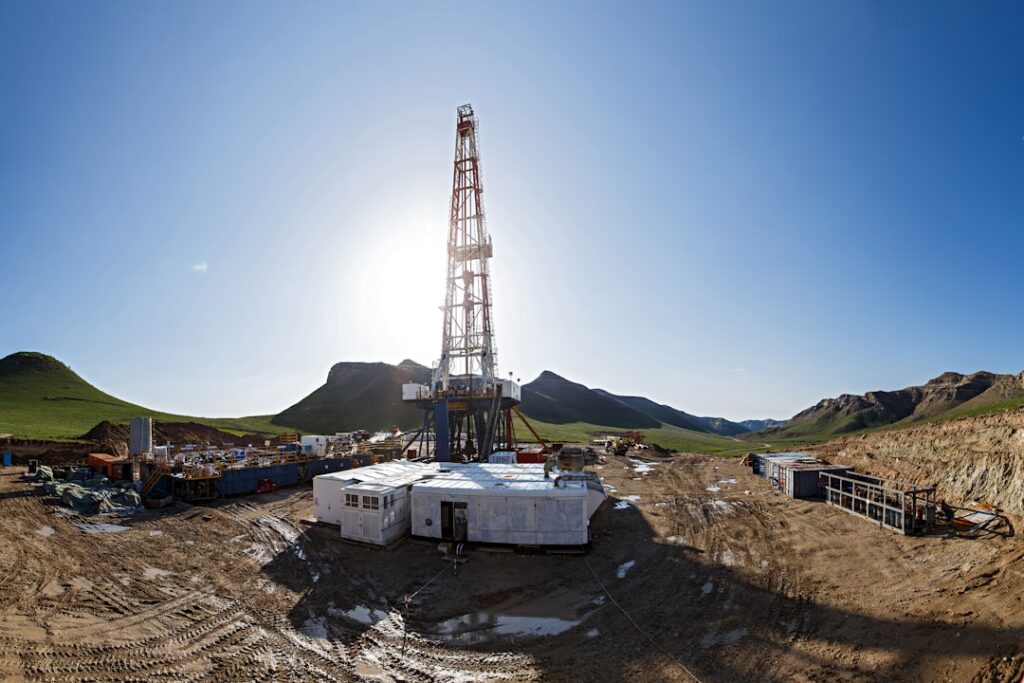
Next-generation drilling rigs are now using high-strength alloys and real-time telemetry. Companies like Schlumberger and Halliburton have developed fluid systems that stabilize wellbores and reduce drilling time by up to a third. Enhanced trajectories, guided by down-hole sensors, minimize costly sidetracks, while integrated monitoring systems identify issues before they escalate. According to the Energy Information Administration, these advancements can cut drilling and completion costs by as much as 30%—a crucial advantage in a volatile market.
Global Shale Gas Production
The U.S. shale surge is part of a larger trend. The “Shale Gas Market Report 2026” predicts global shale output will rise from 6.5 trillion cubic feet in 2020 to 10.5 trillion cubic feet by 2025, driven by demand in Asia and Europe. The U.S., China, and Canada are expected to produce over 70% of this total, altering the global energy landscape. If productivity gains are realized, the U.S. could increase its liquefied natural gas (LNG) exports, aiding countries transitioning from coal.
Innovative Techniques in Shale
AI and Machine Learning in Shale Production
Artificial intelligence is now integral to major operators’ daily decisions. ExxonMobil and Chevron use machine-learning models to analyze vast amounts of data for optimal well placement and equipment maintenance. Accenture estimates that AI can boost production by up to 15% and reduce operating costs by about 20%. This technology helps identify patterns that humans might miss, turning uncertainties into manageable factors.
Innovative Techniques in Shale AI and Machine Learning in Shale Production Artificial intelligence is now integral to major operators’ daily decisions.
Advanced Materials for Shale Wells
Material science is revolutionizing well construction. Specialty polymers from 3M and corrosion-resistant alloys from DuPont are used as coatings to reduce friction and extend the lifespan of wells. ResearchAndMarkets predicts the market for these materials will grow from $1.5 billion in 2020 to $3.5 billion by 2025. By maintaining reservoir pressure and reducing maintenance downtime, these innovations enhance operators’ profits.
Storage and Transportation Innovations
You may also like
 Government & Policy
Biden-Era Memo on Covid and Schools Set Off Dispute
A recent memo from the Biden administration regarding Covid-19 guidelines for schools has ignited a significant legal dispute within the Justice Department, raising questions about…
Read More →As production increases, storage and transport become critical challenges. Kinder Morgan and Cheniere Energy are testing modular liquefaction units near well clusters to shorten the distance from extraction to export. Investments in smart pipeline monitoring, using fiber-optic sensors, improve safety and increase capacity. IHS Markit forecasts the market for shale-specific storage and transportation to grow from $10 billion in 2020 to $20 billion by 2025.
Political and Economic Implications of Shale’s Revival
Shale’s Impact on Global Energy Markets
If shale gas production reaches the levels predicted by McKinsey and Bloomberg, the effects will extend beyond the U.S. The International Energy Agency’s “World Energy Outlook 2020” suggests a strong shale sector could reduce global greenhouse gas emissions by 10% by 2025, mainly by replacing coal in power generation. Additionally, the flexibility of shale supply can help stabilize prices during geopolitical crises.
Economic Benefits of Shale Production
The economic impact of shale is significant. The U.S. Chamber of Commerce estimates that a thriving shale industry could generate nearly $1 trillion in economic activity by 2025, creating hundreds of thousands of jobs. Tax revenues and royalties will support infrastructure, education, and public services. In areas like the Permian Basin, drilling has already transformed local demographics and real estate markets.
Challenges and Risks of Shale Production
However, challenges remain. Water use is a major concern, as each well can require millions of gallons, leading to calls for stricter recycling regulations. Environmental groups emphasize the need for effective methane leak detection to maintain the climate benefits of natural gas. Additionally, regulatory uncertainties, such as changing federal lease policies and state fracking bans, pose risks that may deter investment. Companies must adopt a “social license” approach, focusing on community engagement and transparent practices.
Tax revenues and royalties will support infrastructure, education, and public services.

As the industry approaches this new phase, the balance between technology and public policy will be crucial. The next decade will test whether shale can meet demands for energy security while addressing climate concerns.
You may also like
 Government & Policy
AI Officials Face Scrutiny Over Technology Risks Amid Public Concern
As public concerns about artificial intelligence grow, officials are under scrutiny for their lack of transparency and accountability. This article examines the implications for policy…
Read More →“`