No products in the cart.

Urban Resilience Redefined: How Climate Stress and Crumbling Assets Are Reshaping City Planning
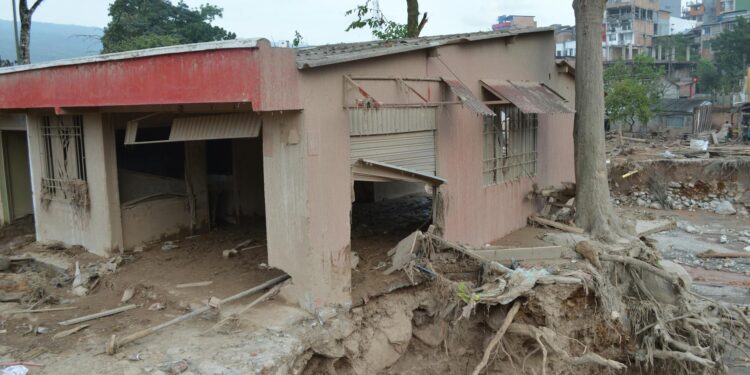
Cities must confront a feedback loop where climate hazards accelerate the decay of legacy infrastructure, forcing a systemic redesign that reshapes capital flows, leadership structures, and career pathways.

Dek: Cities face a structural inflection point as climate‑driven hazards intersect with aging infrastructure, compelling a data‑rich, density‑focused redesign that reconfigures career capital and institutional power.
—
Opening: Macro Context
By 2050, 68 % of humanity will reside in urban areas, a share that translates into an additional 2.5 billion city dwellers and a proportional surge in demand for water, energy, and transportation services [1]. Simultaneously, the Intergovernmental Panel on Climate Change (IPCC) projects a 2 °C rise in global mean temperature by 2040 under current emissions pathways, amplifying heat‑wave frequency, sea‑level rise, and precipitation extremes [2].
The convergence of these trends creates a systemic pressure on municipal asset bases that, on average, are more than 45 years old in the United States and exceed 60 years in many European capitals [3]. The World Bank estimates that retrofitting and upgrading urban infrastructure to meet 2030 climate targets will require $4.5 trillion annually, a figure that dwarfs historical capital‑formation rates and forces a reallocation of fiscal and political capital at the city‑state level [4].
This macro‑environment compels planners to move beyond incremental upgrades toward a holistic, climate‑resilient urban architecture that integrates density, green infrastructure, and real‑time data streams. The stakes are not merely technical; they reverberate through economic mobility, leadership legitimacy, and the distribution of institutional power across public, private, and civil‑society actors.
—
Layer 1: The Core Mechanism
Climate Stressors as Design Drivers
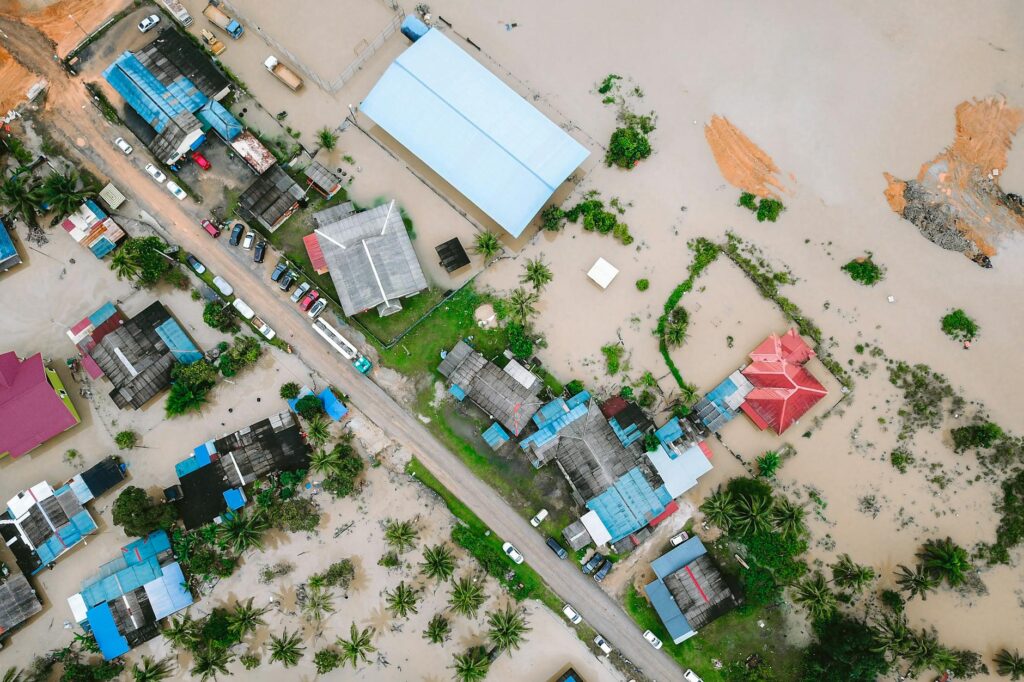
Urban heat islands (UHI) now add 1–3 °C to ambient temperatures in megacities, raising cooling demand by up to 30 % and exacerbating cardiovascular mortality among vulnerable populations [5]. Sea‑level rise threatens 280 million people in coastal metros, with projected property losses of $1 trillion per 0.5 m rise in the next three decades [6]. Intensified precipitation increases storm‑water runoff by an estimated 15 % per degree Celsius of warming, overwhelming combined sewer systems that were sized for 20th‑century storm patterns [7].
For example, Detroit’s 1915‑era water distribution network experiences an average of 12 % annual leak rates, a figure that triples during freeze‑thaw cycles intensified by milder winters [8].
These stressors are not isolated; they interact with the structural decay of assets such as water mains, transit tunnels, and power substations. For example, Detroit’s 1915‑era water distribution network experiences an average of 12 % annual leak rates, a figure that triples during freeze‑thaw cycles intensified by milder winters [8]. The compounding effect of climate stress on aging assets creates a feedback loop where infrastructure failure accelerates exposure to climate hazards, which in turn accelerates asset degradation.
Data‑Centric Design and Material Innovation
You may also like
 Government & Policy
Utilities Should Prioritize Public Service Over Profit
The ongoing debate surrounding utilities suggests a critical shift towards prioritizing public service over profit. This has profound implications for regulatory practices and public policy…
Read More →Addressing this loop requires a data‑centric planning regime. Geographic Information Systems (GIS) integrated with high‑resolution climate models now enable municipalities to map exposure at the parcel level, informing zoning decisions that prioritize low‑impact development (LID) in flood‑prone zones [9]. Real‑time sensor networks, such as New York City’s “Smart Streets” pilot, feed heat‑flux and runoff data into adaptive traffic and storm‑water controls, reducing peak runoff by 12 % within six months of deployment [10].
Material science also contributes to systemic resilience. Porous concrete, employed in the Netherlands’ “Water Squares,” permits rapid infiltration of stormwater, cutting flood depths by 0.6 m during 100‑year events [11]. Photocatalytic roofing tiles, now mandated in Singapore’s Green Mark scheme, lower ambient temperatures by up to 2 °C while simultaneously degrading airborne pollutants [12]. These innovations illustrate a shift from reactive repairs toward anticipatory, climate‑responsive asset design.
—
Layer 2: Systemic Ripples
Transportation and Energy Interdependencies
Climate‑induced disruptions to transportation networks cascade into energy and public‑health domains. In 2022, Houston’s record rainfall disabled 30 % of its light‑rail fleet, forcing a 15 % increase in diesel bus mileage and a corresponding 4 % rise in CO₂ emissions city‑wide [13]. Conversely, resilient transit corridors—such as Los Angeles’ underground “Green Line” retrofitted with flood gates—maintain service continuity, preserving labor market access for low‑income commuters and sustaining economic mobility.
Energy grids confront analogous pressures. The 2021 Pacific Northwest heatwave caused transformer failures that left 1.2 million customers without power for an average of 4.3 hours, highlighting the fragility of legacy distribution networks under thermal stress [14]. Grid‑hardening strategies, including underground cabling and modular microgrids, are now incorporated into municipal climate action plans, shifting investment from centralized generation to distributed resilience.
Economic Competitiveness and Property Valuation
Cities that embed climate resilience into zoning and building codes experience measurable economic benefits. A 2023 Harvard Business School analysis found that properties within 500 m of certified green infrastructure in Boston commanded a 7 % premium over comparable assets, while municipalities that adopted resilience standards saw a 2.3 % higher annual growth in tax revenue [15]. Conversely, cities lagging in adaptation face de‑valuation risks; the World Economic Forum projected a 12 % reduction in real‑estate values for flood‑exposed districts in Jakarta by 2030, eroding municipal fiscal capacity and amplifying socioeconomic inequities [16].
Labor market data from Burning Glass Technologies show a 68 % increase in postings for “climate‑resilient design” and “urban sustainability analyst” roles between 2020 and 2025, outpacing the overall professional services growth rate of 22 % [19].
Social Equity and Institutional Power
The distribution of climate risk aligns closely with demographic vulnerability. In New York’s South Bronx, 62 % of households earn less than $35,000 annually, yet 48 % of housing units sit within the 100‑year floodplain [17]. Institutional responses—ranging from federal FEMA mitigation grants to local zoning reforms—reconfigure power dynamics by granting municipalities discretion over land‑use decisions that historically favored private developers.
Community‑led planning initiatives, such as the “Resilient Neighborhoods” program in Detroit, leverage participatory budgeting to allocate $150 million toward green roofs and permeable pavements in low‑income blocks, thereby embedding equity into the capital‑allocation process [18]. These mechanisms illustrate an emerging governance model where civic engagement, data transparency, and ESG‑linked financing converge to redistribute institutional authority.
You may also like
 Government & Policy
GOBARdhan Initiative Targets 10-Fold Increase
The GOBARdhan initiative aims to significantly boost India's compressed biogas production, creating jobs and enhancing energy security while promoting sustainability through innovative waste management.
Read More →—
Layer 3: Human Capital Impact
Emerging Career Pathways
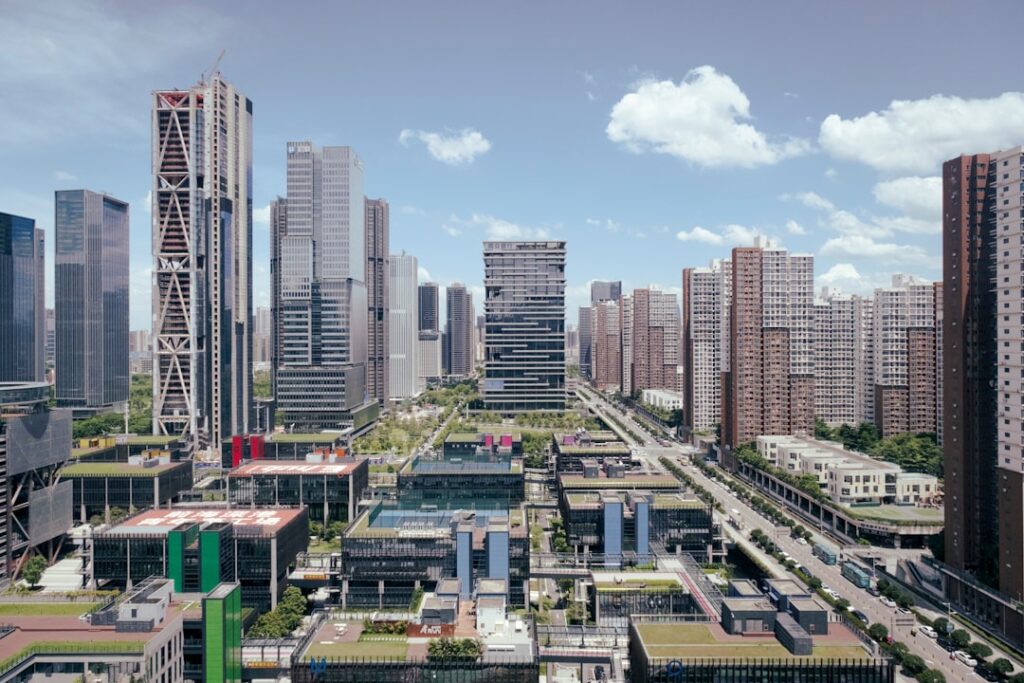
The systemic overhaul of urban infrastructure catalyzes a redefinition of career capital. Labor market data from Burning Glass Technologies show a 68 % increase in postings for “climate‑resilient design” and “urban sustainability analyst” roles between 2020 and 2025, outpacing the overall professional services growth rate of 22 % [19]. Universities are responding with interdisciplinary curricula—e.g., MIT’s “Urban Climate Resilience” master’s program—that blend civil engineering, data science, and public policy, producing graduates equipped for cross‑sectoral leadership.
Professional certifications, such as the American Institute of Certified Planners (AICP) Climate Resilience Credential, are gaining institutional legitimacy, signaling to employers a standardized competency in navigating complex regulatory environments and climate finance mechanisms.
ESG Investment Flows and Institutional Realignment
Institutional investors are reallocating capital toward climate‑resilient urban projects, driven by the Task Force on Climate‑Related Financial Disclosures (TCFD) framework and emerging “Resilience‑Weighted” bond metrics. Between 2021 and 2024, global issuance of green and resilience bonds for municipal projects rose from $120 billion to $210 billion, with an average coupon spread 15 basis points lower than conventional municipal bonds, reflecting perceived lower risk [20].
This financing shift alters the power balance between traditional developers and climate‑focused asset managers. Firms that integrate climate risk analytics into project appraisal gain preferential access to low‑cost capital, compelling legacy developers to acquire or partner with sustainability‑specialized firms—a process reshaping corporate leadership pipelines and board composition.
Mobility of Talent and Regional Competitiveness
Cities that institutionalize resilience pathways become talent magnets. The “Resilient Cities Index” (2023) ranks Copenhagen, Singapore, and Vancouver as top performers, correlating a 4.1 % higher net migration rate of skilled workers with robust climate adaptation policies [21]. Conversely, metros with stagnant adaptation frameworks experience brain drain, as young professionals cite “lack of future‑proofed infrastructure” as a primary relocation factor in surveys conducted by the Urban Institute [22].
Conversely, metros with stagnant adaptation frameworks experience brain drain, as young professionals cite “lack of future‑proofed infrastructure” as a primary relocation factor in surveys conducted by the Urban Institute [22].
—
Closing: 3‑5 Year Outlook
Over the next three to five years, three structural trajectories will dominate urban planning:
You may also like
 Government & Policy
NPS Retirement Income: Payouts and Investment Strategies
The NPS Retirement Income Scheme introduces significant changes to how retirees access their funds. This analysis explores the implications for retirement income and annuity options,…
Read More →- Institutional Integration of Climate Data: Federal agencies (e.g., U.S. EPA’s Climate‑Smart Cities Initiative) will mandate the inclusion of climate risk dashboards in all major capital‑project approvals, embedding data‑driven resilience into the permitting pipeline.
- Density‑Driven Green Retrofits: As land scarcity intensifies, cities will prioritize vertical greening—green walls, rooftop farms, and sky parks—to offset UHI effects while preserving floor‑area ratios, a trend already evident in Shanghai’s “Vertical Forest” districts.
- Resilience‑Linked Capital Markets: By 2028, at least 30 % of municipal bond issuances in OECD economies are projected to carry explicit resilience covenants, tying repayment terms to performance metrics such as flood‑damage reduction and energy‑grid reliability.
These dynamics will reconfigure career capital, concentrating high‑value expertise in climate analytics, adaptive design, and ESG finance. Municipal leaders who master the orchestration of cross‑sectoral data, community equity, and financial innovation will secure institutional legitimacy, while cities that lag will confront accelerating fiscal strain and social dislocation.
—
Key Structural Insights
- Climate stressors and aging assets generate a self‑reinforcing degradation loop, compelling cities to embed resilience at the core of infrastructure design.
- Data‑centric planning and green material adoption shift institutional power toward entities that can marshal real‑time analytics and ESG‑linked financing.
- Over the next half‑decade, resilience‑tied capital markets and density‑focused greening will redefine career pathways, concentrating talent in climate‑adaptive urban systems.