No products in the cart.

US Advocates for Permanent Tariff-Free Internet at WTO

The U.S. seeks a permanent ban on internet tariffs at the WTO, aiming to secure its digital economy leadership and boost global e-commerce.


“`html
The U.S. Push for a Permanent Tariff-Free Internet
This week, the United States formally requested a permanent ban on tariffs for cross-border data traffic at the World Trade Organization (WTO). This proposal aims to maintain the tariff-free status of the internet, which has been in place since the early 2000s, effectively treating the digital space as a public good protected by international law.
The U.S. seeks to secure its leadership in cloud services, online marketplaces, and data-driven applications by preserving a tariff-free digital environment. The WTO now faces a challenge in balancing traditional trade rules with the flow of digital information. If successful, this move could change how countries negotiate sovereignty and information exchange in modern economies.
Critics argue that the U.S. may be using this proposal to strengthen its control over data flows, a point likely to arise in future WTO negotiations. However, a permanent ban would prevent future administrations from reintroducing tariffs, offering stability for companies investing heavily in cross-border digital infrastructure.
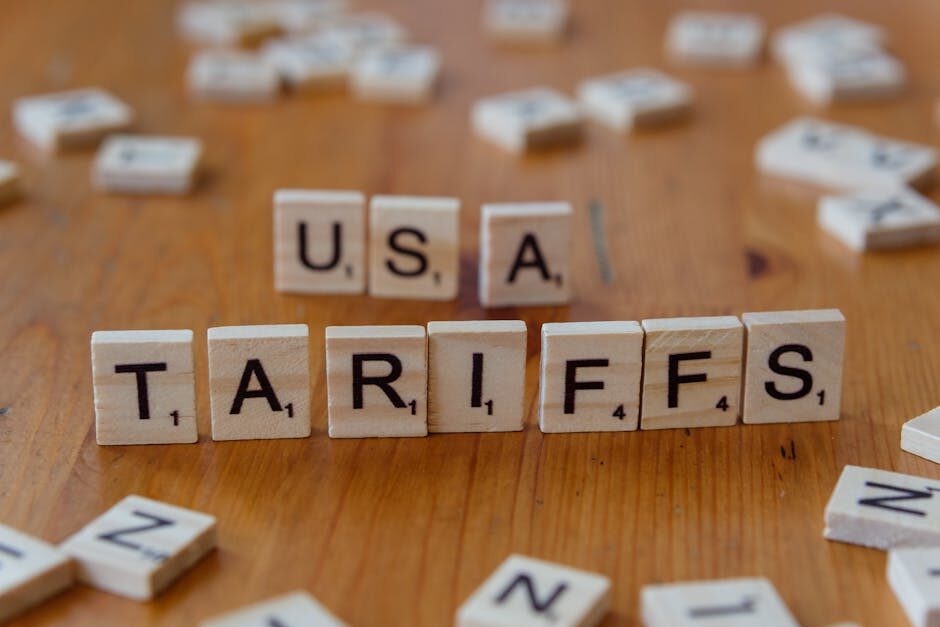
may be using this proposal to strengthen its control over data flows, a point likely to arise in future WTO negotiations.
who benefits from a Tariff-Free Internet?
E-commerce giants clearly benefit from a tariff-free internet, as it reduces costs that could be passed on to consumers, helping maintain low prices. In 2020, e-commerce represented 22% of global trade, up from 14% a decade earlier, highlighting its importance in international commerce.
Consumers also gain from fewer barriers, leading to a wider selection of goods and increased price competition. Small and medium-sized enterprises (SMEs) can reach customers globally without worrying about sudden tariff costs.
However, the benefits may not be evenly distributed. Large multinational companies, with their advanced logistics and resources, are better positioned to take advantage of a tariff-free environment. Local retailers may struggle to compete if they lack the scale to negotiate favorable data-hosting agreements or invest in necessary high-speed connectivity.
You may also like
 Entrepreneurship & Business
Amazon Expands Ultra-Fast Delivery to 120+ Cities
Amazon has expanded its ultra-fast delivery service, Amazon Now, to over 120 cities in India, aiming to enhance its delivery network ahead of the festive…
Read More →
In the U.S., about 42% of small businesses rely on e-commerce to reach customers. A stable, cost-free digital framework could boost job creation in areas like web development and digital marketing. However, increased data flow might also lead to more automation, shifting skill demands toward cloud architecture, cybersecurity, and AI analytics.
The Future of E-Commerce: Risks and opportunities
While the potential for unrestricted data exchange is promising, it also presents risks. A permanent ban could empower dominant platforms to strengthen their market control, limiting innovation from new competitors. The mechanisms that support rapid growth, like network effects and data aggregation, may become more entrenched, raising antitrust concerns for regulators worldwide.
Conversely, a tariff-free internet could stimulate investment in digital infrastructure. Emerging economies, which often struggle to attract private capital for broadband, may be incentivized to upgrade their networks, knowing that traffic will remain untaxed. These upgrades could help bridge the digital divide and create new markets for local and global businesses.
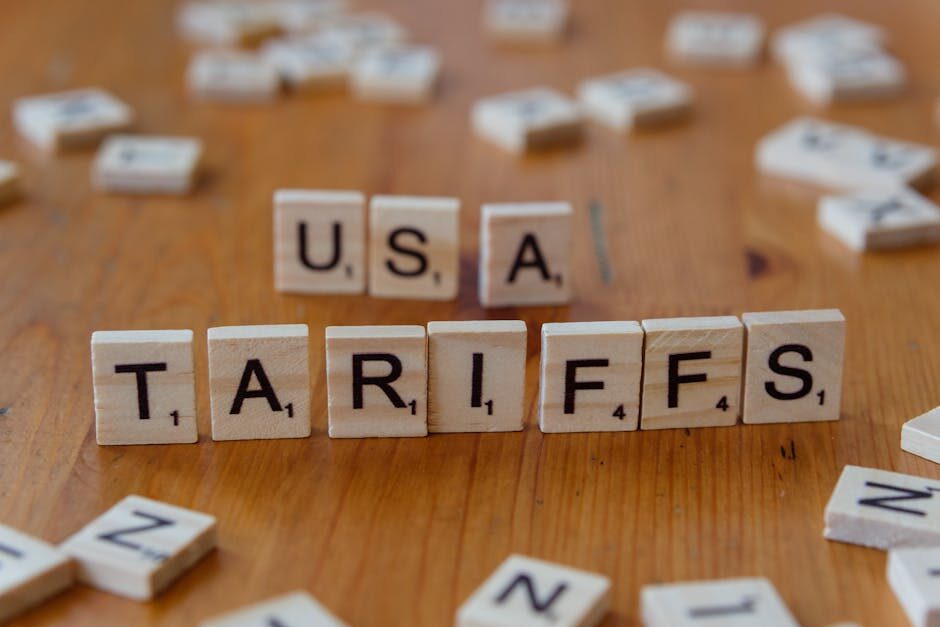
A stable, cost-free digital framework could boost job creation in areas like web development and digital marketing.
This policy shift could also change career paths in the digital economy. Demand for skills in data compliance, cloud migration, and international logistics is expected to rise. Educational institutions may adapt their programs to meet these needs, while companies may seek professionals skilled in navigating global internet regulations.
However, this proposal could create geopolitical tensions. Countries that view data as a strategic asset may resist a blanket tariff exemption, preferring non-tariff barriers like data localization and strict privacy standards. The WTO’s discussions will thus reflect broader debates about digital sovereignty and the future of the global internet.
You may also like
 AI & Technology
How AI Shopping Agents Are Shaping Brand Marketing
As AI shopping agents rise, brands must pivot their marketing strategies from emotional appeals to data-driven tactics that resonate with these new buyers. This shift…
Read More →Ultimately, the U.S. push for a permanent, tariff-free internet aims to shape the rules of a market that now represents a fifth of global trade. The outcome will impact supply chains, consumer prices, and the skills needed for future digital jobs.
As the WTO considers the U.S. proposal, the world faces a critical moment that could determine whether the internet remains an open space for commerce or becomes a battleground for strategic interests.
“`