No products in the cart.

JLR at risk of battery supply delays after Somerset factory turmoil
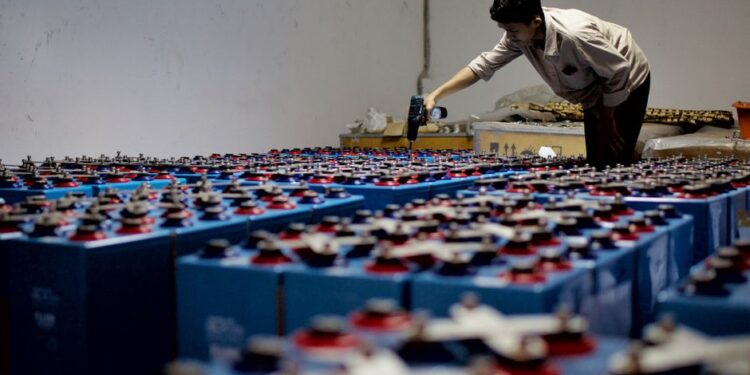
Jaguar Land Rover (JLR) faces significant delays in battery supply for its electric vehicles due to construction issues at the Agratas factory in Somerset, UK. The factory's challenges could have widespread implications for the automotive supply chain, reflecting a growing trend of supply chain disruptions in the industry.

Somerset, UK — Jaguar Land Rover (JLR) faces serious delays in battery supply for its electric vehicles. The Agratas battery factory, essential for JLR’s electric models, is experiencing major construction problems. These issues have worsened since the main contractor, Sir Robert McAlpine, was replaced by Tonroe Group Ltd. This change raises doubts about the factory’s ability to meet production deadlines.
The Agratas facility is vital for JLR’s shift to electric vehicles. It received a £5.2 billion investment and £380 million in government support. Production was originally set to start in 2026, but it has now been pushed to 2027. Internal sources now suggest that the start date may slip to January 2028 or later. These delays could significantly affect JLR’s production of electric models, including the much-anticipated electric Range Rover.
Construction Challenges and Their Impact
The construction challenges at Agratas arise from a major budget mismatch. The initial budget was £800 million, but costs may now exceed £1.3 billion due to complications. These include building specialized facilities for handling dangerous materials used in battery production. The factory’s design also requires advanced safety measures to comply with environmental regulations, further delaying progress.
Additionally, the project has seen high turnover among senior management. Key personnel have left the company, raising concerns about safety and quality standards. The new contractor, Tonroe Group Ltd, must quickly adapt to the project’s rigorous requirements. This includes constructing one of Europe’s largest clean rooms. According to a report by the Guardian, the abrupt changes in leadership and contractors have led to a lack of continuity, complicating the construction timeline.
As delays grow, JLR’s reliance on Agratas for battery supply becomes more precarious. Without timely deliveries of battery cells, JLR’s electric vehicle production schedule could face serious disruptions. These delays could also impact suppliers and the wider automotive supply chain. This situation is particularly concerning as the UK automotive industry is under pressure to meet rising demand for electric vehicles, especially with the government’s push for a Zero Emission Vehicle (ZEV) mandate.
Additionally, the project has seen high turnover among senior management.
You may also like
 Industry & Global Trends
Zimbabwe Central Bank Eyes NPCI Deal for Digital Payments
Zimbabwe's Central Bank is pursuing a partnership with India's NPCI to enhance digital payments, aiming to modernize banking infrastructure and improve financial inclusion. This collaboration…
Read More →Career Ahead’s analysis shows that JLR’s struggles reflect a broader trend in the automotive industry. Supply chain disruptions are becoming more common. Relying on a single factory for critical components poses risks for JLR and other manufacturers that depend on Agratas for battery supplies. The interconnected nature of the automotive supply chain means that issues at Agratas could delay other manufacturers, worsening industry challenges.
Implications for Automotive Supply Chain Managers
The turmoil at the Agratas factory presents a significant challenge for automotive supply chain managers. Delays in battery supply can halt production, affecting JLR and other automakers that rely on similar components. Supply chain managers must explore alternative suppliers or adjust production schedules to reduce the impact of delays. This situation highlights the need for automotive companies to develop strong contingency plans for supply chain disruptions.
Moreover, this situation emphasizes the need for greater supply chain diversification. Relying on a single source for critical components creates vulnerabilities. As the industry shifts towards electrification, adapting to supply chain challenges will be crucial for maintaining production timelines and meeting market demand. The Electrive report shows that other manufacturers are facing similar challenges, highlighting the importance of strategic partnerships and diversified sourcing strategies.
Furthermore, the ongoing construction issues at Agratas may lead supply chain managers to reassess their partnerships with battery suppliers. This could result in increased scrutiny of supplier capabilities and the creation of contingency plans to ensure production continuity. As the UK government pushes for higher electric vehicle sales targets under the ZEV mandate, JLR faces intense pressure to deliver its electric models. If JLR cannot meet these targets due to battery supply delays, it may face significant penalties, complicating its financial outlook.

With the future of the electric vehicle market uncertain, supply chain managers need to stay informed about developments at Agratas.
This predicament serves as a wake-up call for supply chain managers across the automotive sector. They must stay vigilant and proactive in identifying potential risks and developing strategies to address them before they escalate into larger issues. The construction delays at Agratas threaten not only JLR’s production but also highlight the fragility of the entire automotive supply chain amid rapid industry changes.
You may also like
 Industry & Global Trends
Gulf Attacks Escalate Tensions, Impacting Energy Trade Dynamics
Recent attacks in the Gulf have heightened concerns about energy trade stability, significantly affecting oil prices and supply chain logistics. This situation necessitates a reevaluation…
Read More →With the future of the electric vehicle market uncertain, supply chain managers need to stay informed about developments at Agratas. They must also consider the broader implications for battery production in the UK. The situation at Agratas may prompt discussions about the need for increased government support and investment in infrastructure to ensure timely completion of critical projects.
As the UK automotive industry faces a pivotal moment, the key question remains: will JLR overcome these construction hurdles and deliver the electric vehicles that consumers are eagerly awaiting?
Frequently Asked Questions
What are the implications of battery supply delays for automotive supply chain managers?
Battery supply delays can lead to production halts, affecting timelines and increasing costs. Automotive supply chain managers may need to explore alternative suppliers and adjust production schedules to mitigate these impacts.
Automotive supply chain managers may need to explore alternative suppliers and adjust production schedules to mitigate these impacts.
How can battery technology engineers mitigate risks from supply chain disruptions?
Battery technology engineers can build relationships with multiple suppliers and explore innovative manufacturing techniques. This approach can help ensure continuity in battery production despite disruptions.
What should automotive supply chain managers do about potential delays in battery supplies?
Automotive supply chain managers should assess their current supplier relationships and consider diversifying their supply chains. Establishing contingency plans and maintaining open communication with suppliers are critical steps to manage potential delays.
You may also like
 Industry & Global Trends
Engineering Students Shift Focus to Emerging Fields
The engineering landscape in India is undergoing a significant transformation as students increasingly opt for technology-driven disciplines over traditional branches. This shift reflects changing job…
Read More →