No products in the cart.

US-Bangladesh Trade Deal: A New Era for Textile Exports
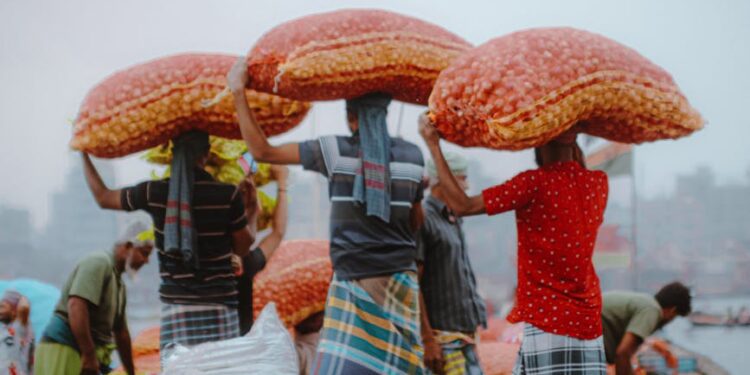
The recent US-Bangladesh trade deal reduces textile tariffs to zero, significantly impacting the textile industry and job market in Bangladesh.

Dhaka, Bangladesh — The recent trade agreement between the United States and Bangladesh marks a significant shift in the textile industry, a sector that is crucial to Bangladesh’s economy. With the new deal, Bangladesh has secured a reduction of tariffs to zero for textiles and garments made with US-produced materials. This development is not just a victory for the Bangladeshi government but also a pivotal moment for the millions of workers employed in this sector, which accounts for 80% of the country’s total exports and contributes around 10% to its GDP.
The deal was finalized after nine months of negotiations, as reported by Muhammad Yunus, chief advisor of Bangladesh’s interim government. The agreement comes at a time when the global textile market is undergoing significant changes, and Bangladesh aims to solidify its position as a leading exporter. The commitment from the US to establish a mechanism for zero reciprocal tariffs on certain textile goods is a game-changer, especially for manufacturers relying on US cotton and man-made fibers.
Moreover, the agreement includes provisions for Bangladesh to lower tariffs on various US goods over several years, alongside commitments to buy $15 billion worth of US energy. This multifaceted approach not only enhances trade relations but also signifies a strategic partnership aimed at fostering economic growth for both nations.
Why This Trade Deal Matters for Bangladesh
The textile industry is the backbone of Bangladesh’s economy, employing approximately 4 million workers. This deal could lead to an increase in job security and potentially more job creation within the sector. The tariff reduction will make Bangladeshi textiles more competitive in the US market, which is crucial given the fierce competition from other countries.
Additionally, the agreement is likely to attract foreign investment into the Bangladeshi textile sector, as international brands may look to capitalize on the favorable trading conditions. This influx of investment could lead to modernization of facilities and improvement in working conditions, which have been points of concern in the past.
Why This Trade Deal Matters for Bangladesh The textile industry is the backbone of Bangladesh’s economy, employing approximately 4 million workers.
However, the deal is not without its conditions. Bangladesh has agreed to ease non-tariff barriers for US goods and uphold internationally recognized labor rights. This aspect is particularly significant as it aligns with global expectations for ethical labor practices, which could enhance the country’s reputation in international markets.
You may also like
 Government & Policy
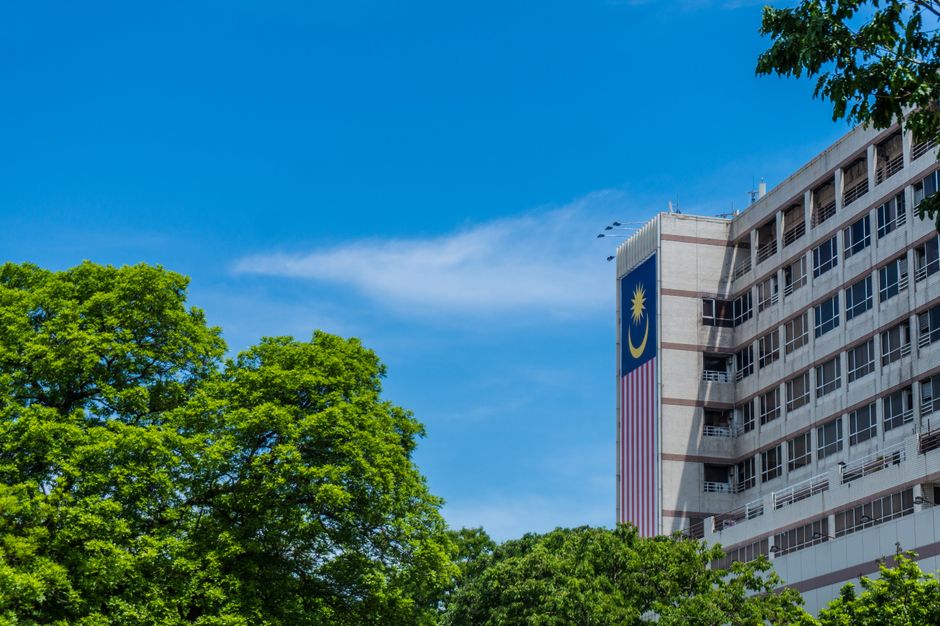
Malaysia Plans First AI Law in 2027 as Scrutiny Intensifies
Malaysia is set to introduce its first AI law in 2027, addressing ethical implications and compliance requirements for AI technologies.
Read More →According to a report by Reuters, Bangladesh’s first-mover advantage in securing this trade deal with the US is a notable achievement. The US Trade Representative, Jamieson Greer, highlighted that this agreement is a meaningful step forward in opening markets and addressing trade barriers. The implications for the textile industry are profound, as it positions Bangladesh favorably against competitors like Vietnam and India, which have also been vying for similar trade agreements.
Implications for Jobs and Salaries in the Textile Sector
The reduction of tariffs is expected to have a direct impact on salaries and job security within the textile sector. As companies benefit from reduced costs, there is potential for increased wages for workers. However, the actual impact on salaries will depend on how companies choose to allocate their new savings.
Entry-level positions may see a boost as companies expand their operations to meet increased demand. Mid-career professionals could find new opportunities for advancement as companies invest in training and development to improve productivity. Additionally, those considering a career switch into textiles may find this sector more appealing due to the potential for growth and stability.
However, experts caution that while the deal opens new doors, it also poses challenges. Workers in the textile sector must continuously upskill to meet evolving industry standards. The demand for skilled labor is rising, and those who fail to adapt may find themselves at a disadvantage.

Mid-career professionals could find new opportunities for advancement as companies invest in training and development to improve productivity.
However, experts warn that this trend may not be sustainable. A recent analysis by the World Bank suggests that while the immediate benefits of tariff reductions are clear, long-term growth will depend on Bangladesh’s ability to maintain quality and ethical labor practices. Without these, the country risks losing its competitive edge.
The Future of Bangladesh’s Textile Industry
Looking ahead, the future of Bangladesh’s textile industry appears promising, but it is contingent on several factors. The successful implementation of the trade deal will require ongoing collaboration between the US and Bangladesh. Moreover, the ability of Bangladeshi manufacturers to innovate and adapt to market demands will be crucial.
As the global textile market continues to evolve, Bangladesh must focus on sustainability and ethical practices to maintain its position. The emphasis on environmental sustainability is growing, and consumers are increasingly seeking brands that prioritize ethical production.
You may also like
 Government & Policy
Next-Gen GST Revolutionizes Tax Compliance for SMEs
The Next-Gen GST initiative aims to simplify tax compliance for small businesses in India, enhancing operational efficiency and transforming tax advisory services.
Read More →
In conclusion, the US-Bangladesh trade deal presents a significant opportunity for the textile sector. However, the real challenge lies in how stakeholders leverage this opportunity for long-term growth. Will Bangladesh be able to transform its textile industry into a model of sustainability and ethical labor practices, or will it falter under the pressure of competition?