No products in the cart.

US-China Trade Truce Extension Impacts Global Business
The ongoing discussions between the US and China regarding the extension of their trade truce are crucial for international business operations. As negotiations unfold, companies must adapt their strategies to navigate potential shifts in tariffs and trade agreements. Understanding these dynamics is essential for trade policy analysts and international business executives.

Washington, USA — The United States and China are currently engaged in discussions regarding the potential extension of their trade truce. This development comes as both nations seek to address ongoing trade tensions that have persisted since the initial agreement was reached. The implications of this extension could significantly affect international business operations and trade policies.
The discussions are crucial as they signal a willingness from both sides to continue dialogue amid a complex global economic landscape. According to Reuters, the trade truce has provided a temporary relief from tariffs that have impacted various sectors, but the uncertainty surrounding its future remains a concern for many businesses.
As international business executives and trade policy analysts closely monitor these developments, the potential for extended negotiations could lead to shifts in how companies approach their operations and supply chains. The outcome of these discussions could redefine existing trade agreements and tariffs, prompting businesses to reassess their strategies.
Impact on Tariffs and Trade Agreements
The extension of the US-China trade truce could lead to significant changes in tariffs that have been imposed on a wide range of goods. Currently, both countries maintain tariffs on hundreds of billions of dollars’ worth of goods, which have disrupted supply chains and increased costs for businesses. Career Ahead analysis reveals that any adjustments to these tariffs could either alleviate some of the financial burdens on companies or introduce new challenges depending on the nature of the agreements reached.
For instance, if the US decides to reduce tariffs on Chinese imports, it could lead to lower prices for consumers and increased competitiveness for businesses relying on these goods. Conversely, if negotiations result in the imposition of new tariffs, companies may face increased costs that could force them to reconsider their pricing strategies and supply chain logistics.
Moreover, the potential changes in trade agreements could also impact the global market. According to Bing News, businesses in countries outside the US and China, especially those in emerging markets, may need to adapt to shifts in trade flows as companies re-evaluate their sourcing strategies. This could lead to a reconfiguration of supply chains that prioritize different regions based on the evolving trade landscape.
According to Bing News, businesses in countries outside the US and China, especially those in emerging markets, may need to adapt to shifts in trade flows as companies re-evaluate their sourcing strategies.
You may also like
 Industry & Global Trends
Nothing CEO Carl Pei Advocates for ‘Engineer in India’ Shift
Carl Pei's recent call for India to transition from 'Make in India' to 'Engineer in India' reflects a significant shift in focus towards enhancing local…
Read More →As a result, trade policy analysts must remain vigilant in tracking these developments. Understanding the nuances of the negotiations and their potential outcomes will be essential for making informed decisions regarding tariffs and trade agreements. The ability to predict how these changes will affect international markets will be critical for businesses aiming to maintain their competitive edge.
Strategies for Navigating Trade Negotiations
In light of the ongoing discussions between the US and China, international business executives must develop strategies to navigate the complexities of trade negotiations effectively. Career Ahead research identifies several key approaches that can help businesses mitigate risks associated with potential changes in trade policies.
First, companies should conduct thorough analyses of their supply chains to identify vulnerabilities. By understanding where their goods are sourced and the potential impact of tariffs on those goods, businesses can make more informed decisions about their procurement strategies. This proactive approach allows companies to adapt quickly to changes in trade policies and minimize disruptions.
Additionally, fostering strong relationships with suppliers and partners in various regions can provide companies with greater flexibility. Diversifying supply sources not only reduces dependency on a single market but also allows businesses to pivot quickly should tariffs or trade agreements shift unexpectedly.
Moreover, engaging in scenario planning can help businesses prepare for various outcomes of the trade negotiations. By anticipating potential changes and their implications, companies can develop contingency plans that ensure they remain agile in response to the evolving trade environment. This strategic foresight is essential for maintaining operational continuity and competitiveness in the global market.
As negotiations continue, it is crucial for trade policy analysts to provide insights and forecasts that inform businesses about potential scenarios. The ability to analyze and communicate the implications of trade discussions will be vital for helping companies navigate the uncertainties ahead.
Career Ahead analysis finds that a stable trade relationship between these two economic powerhouses is essential for fostering global economic growth.
Wider Implications for the Global Economy
The potential extension of the US-China trade truce holds broader implications for the global economy. The interconnected nature of international trade means that changes in US-China relations can reverberate across various sectors and regions. Career Ahead analysis finds that a stable trade relationship between these two economic powerhouses is essential for fostering global economic growth.
You may also like
 Industry & Global Trends
Inside the New War for Critical Metals
The ongoing struggle for critical metals is reshaping supply chains and sourcing strategies. Mining engineers and supply chain managers must adapt to a rapidly changing…
Read More →For instance, disruptions in trade relations can lead to volatility in global markets, affecting investor confidence and economic stability. The uncertainty surrounding trade negotiations may influence foreign direct investment, as companies may hesitate to invest in regions where trade policies are unpredictable. This could slow down economic recovery efforts in various markets, particularly those that rely heavily on exports.
Furthermore, the outcome of these negotiations could set a precedent for future trade agreements involving other countries. As nations observe the dynamics between the US and China, they may adjust their own trade policies and negotiations accordingly. This could lead to a ripple effect, impacting trade relationships worldwide.
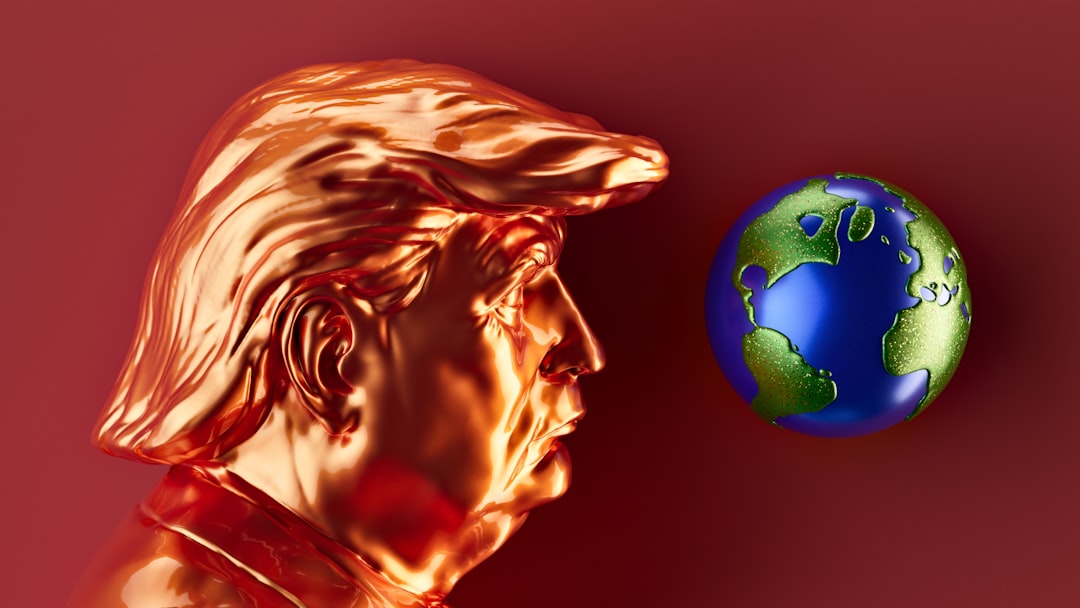
Ultimately, the stakes are high for international businesses and economies alike. The decisions made during these negotiations will shape the future of global trade and economic collaboration. As such, companies must remain vigilant and adaptable, prepared to respond to the evolving landscape.
These negotiations are crucial for international business operations and could lead to significant changes in how companies navigate their supply chains.
As the discussions unfold, the international business community will be watching closely. The outcomes of these negotiations could redefine trade norms and set the tone for future economic relations between the US, China, and the rest of the world.
Frequently Asked Questions
What are the latest updates on US-China trade negotiations?
The US and China are currently discussing the potential extension of their trade truce, which has implications for tariffs and trade policies. These negotiations are crucial for international business operations and could lead to significant changes in how companies navigate their supply chains.
How can international business executives prepare for potential changes in trade policy?
International business executives should conduct thorough analyses of their supply chains and diversify their sourcing strategies to mitigate risks associated with potential tariff changes. Engaging in scenario planning can also help companies anticipate various outcomes of the trade negotiations.
You may also like
 Industry & Global Trends
Microsoft India Cloud Region Targets Zero Water Cooling
Microsoft's new cloud region in Hyderabad will utilize effectively zero water for cooling, reflecting a significant investment in India's tech infrastructure and sustainability efforts.
Read More →
What should trade policy analysts focus on during extended negotiations?
Trade policy analysts should closely monitor the discussions between the US and China, providing insights into potential outcomes and their implications for global trade. Understanding the nuances of these negotiations will be essential for informing businesses about the evolving trade landscape.