No products in the cart.

US Education Department opens probe into Smith College for admitting trans women

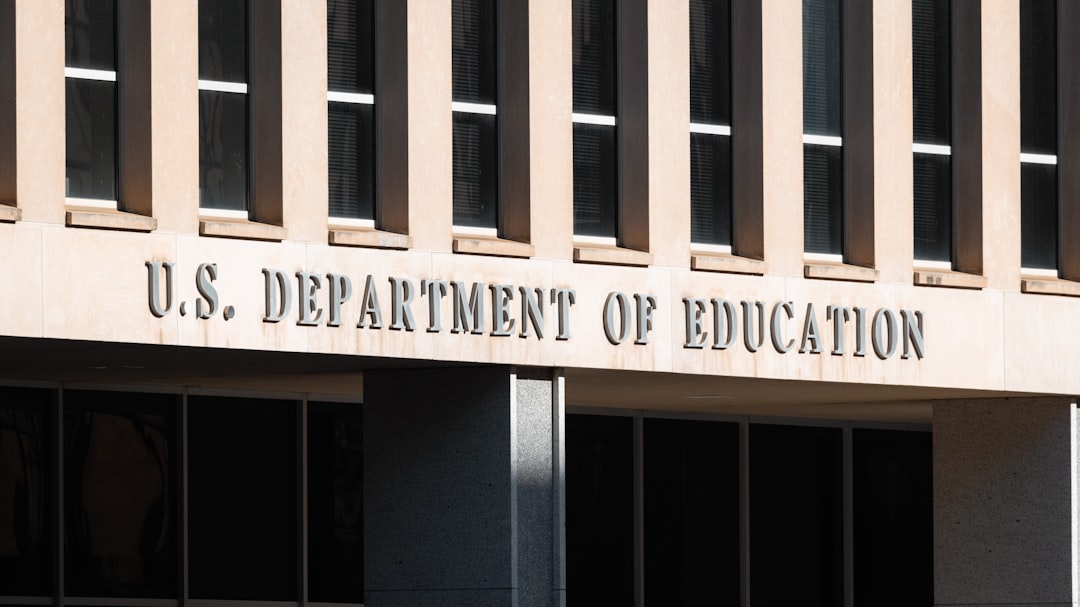
The U.S. Department of Education has launched an investigation into Smith College's admissions policy for transgender women, examining potential violations of Title IX.


Massachusetts, US — The U.S. Department of Education has initiated an investigation into Smith College regarding its admissions policy for transgender women. This inquiry, conducted by the Office of Civil Rights, aims to determine whether the college has violated Title IX, a federal law that prohibits sex-based discrimination in education. The investigation underscores ongoing tensions surrounding transgender rights and educational policies in the United States.
The probe follows a complaint filed by the conservative legal group Defending Education in June 2025. The complaint alleges that Smith College’s admissions policies may conflict with Title IX regulations, which have historically focused on biological sex rather than gender identity. This investigation reflects a broader trend under the current administration, which has taken steps to limit transgender rights across various sectors.
Smith College, a prestigious women’s institution founded in 1871, has admitted transgender women since 2015. This policy shift was met with both support and opposition, particularly after a high-profile incident in 2013 when a transgender applicant was denied admission due to discrepancies in her gender identity documentation. Advocates argue that women’s colleges like Smith were established to empower those marginalized by gender, making the inclusion of transgender women a natural extension of their mission.
Title IX: Legal Framework and Challenges
The investigation will closely examine whether Smith College’s admissions practices align with Title IX’s stipulations. Title IX allows for single-sex institutions but emphasizes that such classifications must be based on biological sex differences, not subjective interpretations of gender identity. This aspect of the law has become a focal point in the ongoing debate over transgender rights in education. According to the U.S. Department of Education’s website, Title IX prohibits discrimination on the basis of sex in any education program or activity receiving federal financial assistance.
Title IX: Legal Framework and Challenges The investigation will closely examine whether Smith College’s admissions practices align with Title IX’s stipulations.
Since the Biden administration took office, new regulations aimed at preventing discrimination based on sexual orientation and gender identity have been introduced. However, these regulations faced legal challenges, culminating in a federal judge striking them down in January 2025 due to perceived shortcomings. This legal landscape complicates the situation for institutions like Smith College, which strive to balance inclusivity with compliance.
Implications for Women’s Colleges
You may also like
 Education & University Insights
34% Teaching Vacancies Hinder Higher Education Growth
A recent SBI report reveals a 34% vacancy rate in teaching positions across centrally funded institutions in India, raising concerns about educational quality and faculty…
Read More →According to the Women’s College Coalition, the number of women’s colleges has dramatically decreased from over 200 to just 30 as of fall 2023. This decline emphasizes the need for such institutions to adapt to contemporary social dynamics, particularly regarding gender identity and inclusivity. The outcome of the Smith College investigation may set a precedent for other women’s colleges grappling with similar issues.

The complaint filed against Smith College by Defending Education has sparked a national conversation about the role of women’s colleges and their obligations under federal law. The implications of this investigation extend beyond Smith College, as educational institutions across the country are closely monitoring the findings, which could influence their admissions policies concerning transgender students.
Potential Consequences and Future Directions
A ruling against Smith College may embolden similar complaints against other institutions, potentially leading to a wave of investigations that could reshape admissions practices nationwide. Furthermore, this scrutiny could impact funding and support for women’s colleges that admit transgender students. As federal funding often ties to compliance with Title IX, institutions might find themselves in a precarious position if they do not align their policies with federal expectations.
The implications of this investigation extend beyond Smith College, as educational institutions across the country are closely monitoring the findings, which could influence their admissions policies concerning transgender students.
Advocates for transgender rights are concerned that a ruling against Smith College could hinder progress made in recent years. The inclusion of transgender women in women’s colleges is viewed as a vital step toward equality and recognition of diverse gender identities. The outcome of this investigation may not only affect Smith College but could also reverberate through the broader landscape of higher education.
Sources: Defending Education, Women’s College Coalition, U.S. Department of Education.
You may also like
 Government & Policy
Why do I have to pay for buses if
As public transport systems increasingly adopt digital payment methods, users without smartphones are at a disadvantage. A letter from a concerned citizen in Scotland noted…
Read More →