No products in the cart.

Funding Cuts Threaten American University of Afghanistan
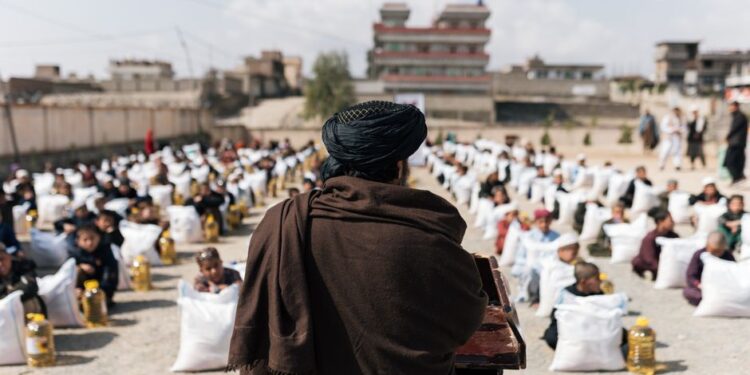
The American University of Afghanistan faces imminent closure due to severe funding cuts, reflecting broader trends in higher education funding crises, especially in conflict zones. The potential impact extends beyond the university, threatening faculty job security, educational opportunities for students, and the local economy.

Kabul, Afghanistan — The American University of Afghanistan (AUAF) may soon close due to severe funding cuts. This situation threatens faculty jobs and students’ educational opportunities. The financial challenges at AUAF could have a major impact on higher education in Afghanistan.
The possible closure of AUAF is not just a local issue; it shows larger trends in higher education funding. Many universities worldwide have faced budget crises in recent years. This has led to layoffs and program cuts. Career Ahead’s analysis reveals that funding issues are especially severe in conflict zones like Afghanistan, where stability is fragile. The New Yorker reports that many educational institutions in these areas depend on uncertain international aid as global priorities change.
Job Security for Faculty at AUAF
The threat of closure has put AUAF faculty in a tough spot. Many educators are unsure about their future as the university struggles to find funding. A report from academicjobs.com shows that many U.S. universities face similar budget issues, leading to thousands of layoffs and program cuts. This trend raises concerns about job security for faculty members at AUAF, which relies heavily on external funding.
Faculty at AUAF have spent years building academic programs for Afghan students. The potential closure means job loss and the loss of valuable resources for students who may have few other options for higher education. The emotional toll on faculty, who have invested in their students and the university, is significant. Many faculty members have formed strong connections with their students, creating a mentorship environment that is crucial in a country with limited educational opportunities.
Moreover, uncertainty about faculty positions can cause a brain drain, where skilled educators leave for better opportunities. This trend is already seen in other regions facing similar funding issues. The Washington Post reports that institutions with budget cuts often lose their best talent to more stable environments. This makes it harder to rebuild educational systems in conflict-affected areas. The departure of experienced faculty reduces education quality and undermines the institutional knowledge needed for the university’s survival.
Many faculty members have formed strong connections with their students, creating a mentorship environment that is crucial in a country with limited educational opportunities.
You may also like
 Education & University Insights
Centre of Excellence for Classical Pali Launched
The Centre aims to enhance the study and preservation of the Pali language, focusing on its significance in Buddhist literature and philosophy.
Read More →Career Ahead research suggests that AUAF faculty should prepare for potential job loss by seeking other employment or considering transitions to different institutions. However, the limited job availability in Afghanistan complicates this process, leaving many educators uncertain. Relocating abroad for work is daunting for many, especially when personal safety and stability are major concerns.
Funding Implications for Higher Education in Conflict Zones
The funding crisis at AUAF highlights a larger problem in higher education in conflict zones. Many universities depend on international aid and government support to operate. When these funding sources decline, the consequences can be severe. Career Ahead’s analysis finds that without diverse funding sources, educational institutions in unstable regions may struggle to survive.
AUAF’s reliance on foreign donations and government grants makes it vulnerable to changes in international policy and funding priorities. As global attention shifts away from Afghanistan, the financial support that once flowed to AUAF may decrease, putting it at risk of closure. The New Yorker reports that many universities have historically depended on federal funding, which is now uncertain due to political changes. The reduction in international aid has been especially pronounced since the U.S. withdrawal from Afghanistan, leading to fewer resources for educational institutions.
The implications of this funding crisis go beyond AUAF’s potential closure. If the university closes, it could deter future international investment in Afghan education. This would further isolate the country from global academic networks. Such isolation could create a significant gap in educational opportunities for Afghan students, limiting their ability to compete in the global job market. The loss of AUAF would impact not just enrolled students but also the wider community that relies on the university for educational and economic advancement.

If the university closes, it could deter future international investment in Afghan education.
Furthermore, AUAF’s closure could negatively affect the local economy. Educational institutions often drive economic activity by providing jobs and supporting local businesses. The loss of AUAF would hurt faculty and students, as well as the surrounding community that depends on the university. Local businesses that serve students and faculty, like bookstores, cafes, and housing providers, would also suffer, leading to a broader economic downturn.
You may also like
 Education & University Insights
Delhi University Eases Promotion Rules for 2025-26 Batch
Delhi University has relaxed its promotion criteria for the 2025-26 academic year, allowing students to advance without meeting the previous credit requirements. This decision has…
Read More →As the situation evolves, it is vital for educational leaders and policymakers to explore alternative funding strategies. Engaging with international organizations and forming partnerships could help secure the financial stability needed to continue operations. Innovative funding models, such as public-private partnerships, could offer a path to sustainability amid dwindling traditional funding sources.
The ongoing situation at AUAF highlights the fragile state of higher education in conflict zones. As funding cuts threaten the university’s existence, the implications for faculty, students, and the broader community are significant. The question remains: will AUAF find a way to secure the necessary funding to continue its mission, or will it become another casualty of the ongoing educational crisis in Afghanistan?
Frequently Asked Questions
What are the implications for faculty if the American University of Afghanistan closes?
If the American University of Afghanistan closes, faculty members may lose their jobs and face uncertainty about their future. Many will need to seek work elsewhere, but options in Afghanistan are limited.
Faculty at the American University of Afghanistan should start looking for other job opportunities and network with other educational institutions.
How can higher education administrators mitigate funding cuts?
Higher education administrators can reduce the impact of funding cuts by exploring alternative funding sources. Partnerships with international organizations and engaging with donors are crucial for sustainability.

What should faculty at the American University of Afghanistan do to prepare for potential closure?
Faculty at the American University of Afghanistan should start looking for other job opportunities and network with other educational institutions. Preparing for potential job loss is essential in this uncertain environment.
You may also like
 Education & University Insights
France Student Protests Disrupt Funding and Mental Health
France is witnessing significant student protests demanding better educational standards and mental health support, reflecting a broader trend of youth activism globally.
Read More →