No products in the cart.

US Housing Starts Surge Driven by Multifamily Projects

In February 2026, US housing starts unexpectedly rose 12.5%, fueled by a 25.6% increase in multifamily construction, reflecting growing demand and economic optimism.


“`html
Multifamily Housing Starts Rise Unexpectedly
In February 2026, the United States saw a surprising increase in housing construction, particularly in multifamily projects. According to Bloomberg, housing starts rose by 12.5 percent from the previous month, reversing a slowdown that began in late 2024. Notably, construction of apartment buildings with five or more units surged by 25.6 percent, indicating a shift towards denser, community-focused development.
This growth occurs amid ongoing challenges like high material costs, a tight labor market, and a shortage of available rentals. However, developers are adjusting by investing in projects that serve a wider range of households and benefit from economies of scale. This trend is not limited to one area; regions including the Midwest, Sun Belt, and parts of the Northeast reported significant increases, suggesting a national shift.
Analysts point to three main factors driving this momentum. First, investor confidence in mortgage-backed securities for multifamily properties has returned, easing financing issues. Second, cities are relaxing zoning laws that previously restricted apartment height and density. Third, demographic changes, such as millennials reaching prime renting age and younger workers moving to urban areas, have increased demand for affordable rental units.
Impact on the Construction Workforce
The uptick in multifamily construction is changing labor dynamics. Contractors are hiring more skilled tradespeople, and vocational schools are expanding programs focused on high-rise construction. While a labor shortage persists, the multifamily sector is attracting a larger share of available talent, as larger projects often provide more stable job opportunities compared to single-family homes.
When people have a secure place to live, they can focus on work, education, and community involvement, rather than worrying about eviction or frequent moves.
Housing Stability and Mental Well-Being
The rise in multifamily starts also has significant implications for the mental health of many Americans. Research shows that stable housing is linked to various mental health benefits, including reduced anxiety and lower rates of depression. When people have a secure place to live, they can focus on work, education, and community involvement, rather than worrying about eviction or frequent moves.
You may also like
 Government & Policy
Centre tightens sugar stock limits for dealers amid festive demand
India has imposed new stock limits on sugar dealers effective October 15, 2026, restricting them to holding no more than 1,000 quintals of sugar at…
Read More →Psychological Benefits of Stable Housing
Stable housing provides a sense of control essential for mental well-being. Knowing where they will live allows individuals to plan for the future rather than just surviving day-to-day. This mental clarity leads to better job performance, improved academic success for children, and stronger social connections. Additionally, the communal aspects of multifamily living—like shared amenities and community events—help foster a sense of belonging, countering the isolation often felt in single-family homes.
Physical Health and Mental Resilience
The connection between mind and body highlights the importance of housing stability. Studies show that people with secure housing have lower rates of conditions like hypertension and diabetes. By reducing the stress associated with unstable living situations, stable housing can enhance mental resilience, creating a cycle where physical health supports psychological well-being.
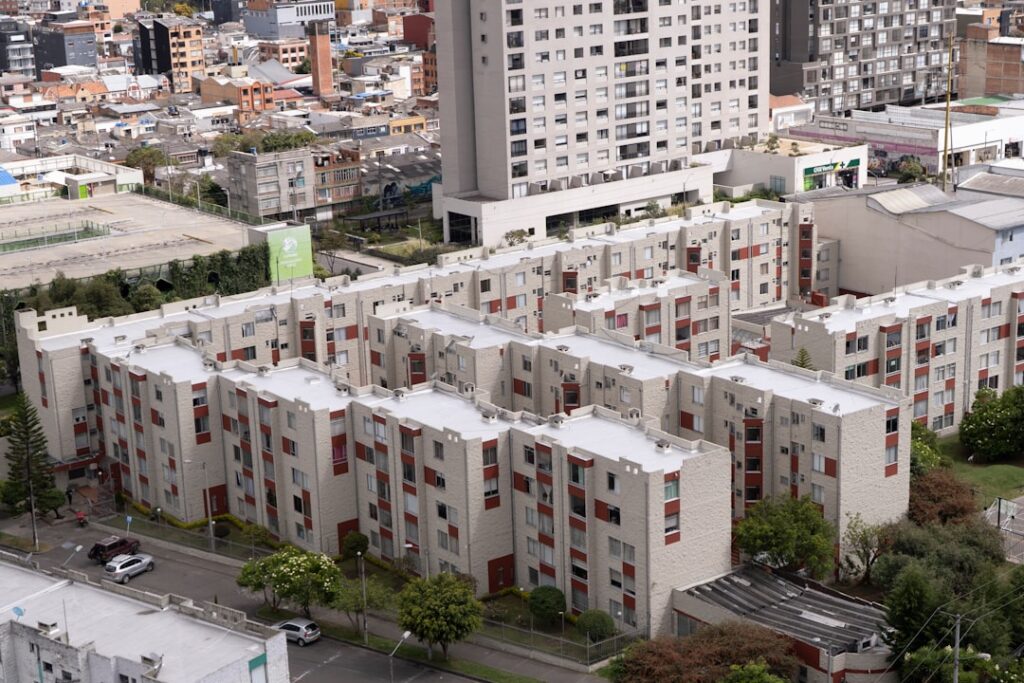
However, the benefits of stable housing are not evenly distributed. Vulnerable groups—such as low-income families, recent immigrants, and formerly incarcerated individuals—gain the most from affordable multifamily units. When these populations move from unstable living conditions to reliable apartments, improvements in mental health can be seen within months, including fewer emergency room visits for anxiety-related issues in various cities.
Economic Context and Its Psychological Effects
The increase in multifamily construction is part of broader economic trends. After a slowdown in late 2024, the U.S. economy began to expand modestly in early 2026. Consumer confidence rose, and disposable income increased for the middle class. This economic optimism positively impacts mental health, as people feel more secure in meeting their needs and pursuing goals.
Workers report less job-related anxiety, families feel less pressure to cut back on essentials, and communities see increased civic engagement.
Growth and Mental Well-Being
When the economy shows signs of growth, the psychological effects are significant. Workers report less job-related anxiety, families feel less pressure to cut back on essentials, and communities see increased civic engagement. The construction boom itself boosts confidence; each new apartment building signals that developers believe in the market, reinforcing the idea that the economy is on a sustainable path.
You may also like
 Government & Policy
New Indonesia Finance Chief Steers Clear of Prabowo Turf Wars
Indonesia's new finance chief emphasizes collaboration in economic policy, aiming to reshape governance and engage diverse stakeholders in addressing the country's economic challenges.
Read More →Challenges: Costs and Inequality
However, the same economic growth that inspires hope also brings new worries. Rising construction costs from material price increases and labor shortages are leading to higher rents, especially in fast-growing areas. Income inequality remains a challenge, and for many families, the prospect of a new apartment is overshadowed by affordability issues. This tension can undermine the mental health benefits that stable housing could provide.
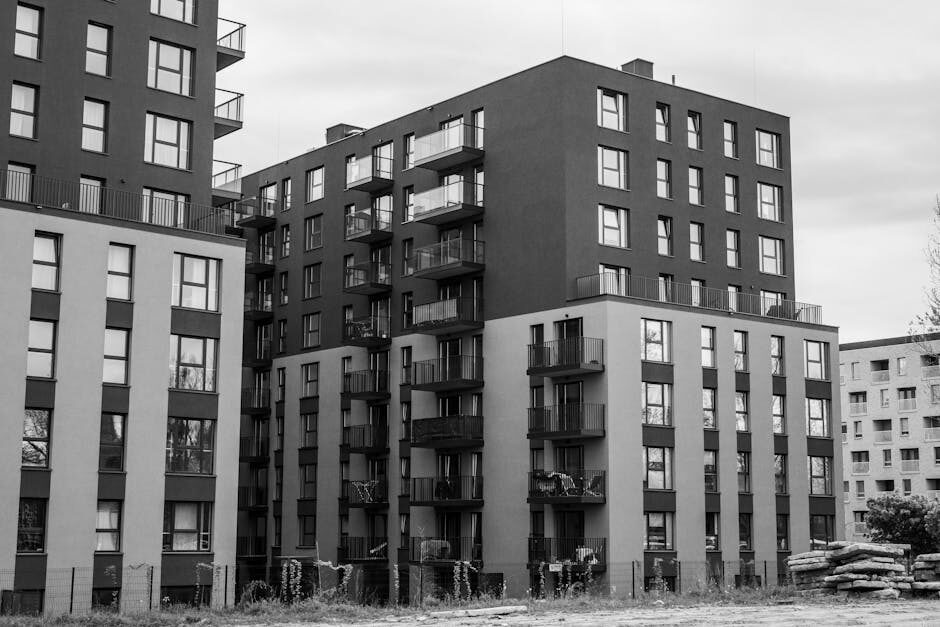
Additionally, the financial sector’s role in funding multifamily projects adds a layer of risk. While private credit markets have recently loosened, concerns about a potential credit crunch could stall future construction and leave renters uncertain. The psychological impact of this uncertainty can be significant, reigniting fears of housing instability that had only temporarily subsided.

Policy Solutions for the Future Policymakers face important decisions.
Policy Solutions for the Future
Policymakers face important decisions. Incentives to lower construction costs—like tax credits for affordable housing or streamlined permitting—could maintain current growth while keeping rents affordable. Additionally, targeted rent control and expanded housing vouchers could help bridge the affordability gap, ensuring the mental health benefits of stable housing reach beyond the middle class.
You may also like
 Government & Policy
Sebi penalises SMC Global Securities for compliance lapses
SEBI's findings indicated that SMC Global did not keep appropriate pre-order placement records for some clients and could not provide relevant documentation for multiple orders,…
Read More →Investing in mental health services near new multifamily developments could enhance outcomes. Clinics and wellness programs within residential areas would