No products in the cart.

Yukio Hatoyama’s Insights on India-Japan Educational Collaboration
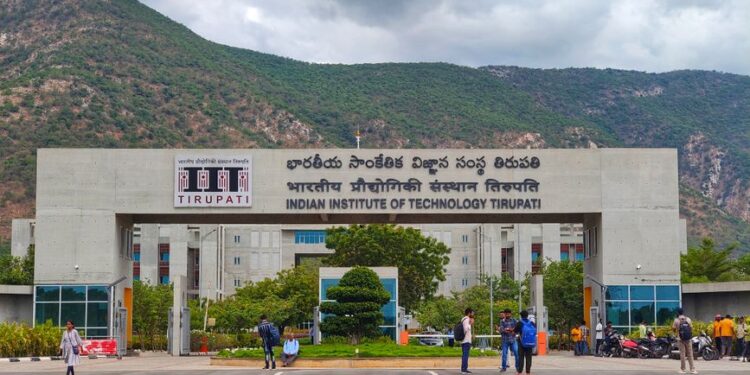
Yukio Hatoyama's address at the JGU Higher Education Forum highlights the potential for deeper academic ties between India and Japan, particularly in AI and innovation.

India, Tokyo — Former Prime Minister of Japan Yukio Hatoyama spoke at the 3rd India-Japan Higher Education Forum 2026. This event took place at Jindal Global University (JGU) on July 6, 2026. The forum aimed to shape universities for the future amid human and artificial intelligence. It marked a key moment in the ongoing dialogue between India and Japan about their Special Strategic and Global Partnership.
Hatoyama’s speech focused on the historical and cultural ties between India and Japan. He emphasized that their relationship goes beyond diplomacy. These ties are based on shared values like mutual respect and understanding. Such values can lead to greater collaboration in education and research.
Opportunities for Academic Collaboration
The India-Japan Higher Education Forum gathered university leaders, policymakers, and students from both nations. It provided a platform to discuss academic mobility and research collaboration. Hatoyama expressed hope that these forums would increase student exchanges and joint research initiatives.
Career Ahead’s analysis shows that educational partnerships can improve higher education quality in both countries. Japanese universities can offer advanced research facilities and technology expertise. Meanwhile, Indian institutions can provide a larger pool of talented students eager for international academic experiences.
According to newkerala.com, discussions at the forum focused on how universities can address global challenges, especially in technology and sustainability. This aligns with the broader goals of the India-Japan partnership, which aims to promote innovation and economic resilience.
Additionally, the focus on artificial intelligence as a key area of collaboration indicates a shift toward integrating technology into education. As both nations work to prepare students for future job markets, interdisciplinary approaches in education become increasingly important.
As both nations work to prepare students for future job markets, interdisciplinary approaches in education become increasingly important.
Impact on Educational Policy and Strategy
The dialogue from the forum also impacts educational policy in India and Japan. Hatoyama’s call for deeper collaboration shows that educational institutions must adapt to global trends. This includes integrating technology and promoting research that meets societal needs.
Nationpress.com reported that forum discussions included strategies for enhancing academic cooperation. These strategies involve establishing joint degree programs and facilitating faculty exchanges. Such initiatives could create a more interconnected educational landscape that benefits both countries.
You may also like
 Education & University Insights
NYC Leaders Push for School Integration Amid Segregation
New York City's school system remains one of the most segregated in the U.S. City leaders are now pushing for integration, but advocates emphasize the…
Read More →Moreover, the involvement of key political figures highlights the importance of government support in fostering educational partnerships. The Indian Embassy in Tokyo, represented by Chargé d’Affaires R. Madhu Sudan, emphasized the mission’s commitment to strengthening academic ties. This government backing is vital for successful collaborative programs.

As educational policies evolve, institutions in India and Japan must stay flexible. They need to adapt to the changing demands of the global job market. Career Ahead research finds that universities embracing innovation in their curricula will attract more international students and faculty.
Career Ahead research finds that universities embracing innovation in their curricula will attract more international students and faculty.
Future Directions for India-Japan Relations in Higher Education
The future of India-Japan relations in higher education looks bright, especially with a focus on collaboration and innovation. Hatoyama’s address reminds us of the potential for universities to play a key role in this partnership. As both nations face common challenges, their educational institutions can significantly contribute to finding solutions.
Barandbench.com notes that forum discussions included potential joint research initiatives on pressing global issues like climate change and technological advancement. This collaborative spirit is crucial for developing effective strategies that utilize the strengths of both countries.
Additionally, the focus on student mobility and exchange programs is expected to grow. More students participating in these programs will gain valuable international experience, improving their employability in a global job market. This aligns with the broader trend of internationalization in higher education.
The changing dynamics of India-Japan relations offer educational institutions a chance to rethink their strategies. By prioritizing collaboration and innovation, universities can enhance their academic offerings and contribute to the socio-economic development of both nations.
As the educational landscape evolves, the question remains: how will universities in India and Japan adapt to these new opportunities and challenges? The answers will shape the future of their partnership and their impact on global education.
Higher education administrators must prepare to leverage these opportunities for growth and student benefit.
Frequently Asked Questions
What are the implications of India-Japan relations for higher education administrators?
Career Ahead’s analysis shows that stronger India-Japan relations will lead to more funding and resources for collaborative educational initiatives. Higher education administrators must prepare to leverage these opportunities for growth and student benefit.
You may also like
 Education & University Insights
UP ITI Admission Opens Fifth Phase Applications
The fifth phase of UP ITI admissions for the 2026-27 training session will start on October 6, 2026, and will remain open until midnight on…
Read More →How can higher education institutions leverage the India-Japan partnership?
Institutions can engage in joint research projects, exchange programs, and collaborative degree offerings. By aligning their goals with the India-Japan partnership, they can enhance their global standing and attract diverse student populations.

What should higher education leaders do to prepare for changes in international collaboration?
Leaders should focus on building relationships with Japanese institutions and understanding cultural nuances. This proactive approach will help them navigate the evolving landscape of international education effectively.