No products in the cart.

US LNG Exports Surge to Cut Prices

The decision to ramp up LNG exports comes at a time when global energy prices are volatile. Recent data from the Bureau of Labor Statistics indicates that import and export prices have surged, driven largely by energy costs. This context underscores the urgency of the US's strategic pivot…

The United States is significantly expanding its liquefied natural gas (LNG) exports, a move announced by the Federal Energy Regulatory Commission (FERC) on September 14, 2026. This expansion aims to lower global energy prices and enhance the US’s role in international energy markets. The implications of this shift are profound, particularly for energy policy analysts and LNG export managers.
The decision to ramp up LNG exports comes at a time when global energy prices are volatile. Recent data from the Bureau of Labor Statistics indicates that import and export prices have surged, driven largely by energy costs. This context underscores the urgency of the US’s strategic pivot towards becoming a dominant player in the LNG market. According to Bloomberg, the increase in fuel costs has been the most significant since 2022, highlighting the need for a robust US export strategy to stabilize prices globally.
Impact on LNG Pricing Strategies
As the US increases its LNG exports, pricing strategies in the global market are likely to shift. Career Ahead’s analysis shows that the influx of US LNG into international markets will create competitive pressure on existing suppliers, particularly those in Europe and Asia. This could lead to a decrease in prices as countries seek to secure more affordable energy sources. The International Energy Agency (IEA) has noted that the growing availability of US LNG could lead to a more flexible pricing structure, moving away from the traditional oil-linked pricing mechanisms that have dominated the market.
The US’s strategy to expand LNG exports is also a response to the growing demand for cleaner energy alternatives. Countries are increasingly looking to natural gas as a transitional fuel to reduce carbon emissions. This trend could further influence pricing dynamics, as more nations turn to the US for their energy needs. As highlighted in the UNCTAD Global Trade Update, the transition to cleaner energy sources is not only a response to climate change but also a strategic move to enhance energy security and diversify supply sources.
Career Ahead’s analysis shows that the influx of US LNG into international markets will create competitive pressure on existing suppliers, particularly those in Europe and Asia.
You may also like
 Industry & Global Trends
Retail Traders Embrace AI Algos in India | Career Outlook
AI-powered algorithmic trading is transforming the landscape for retail traders in India, making sophisticated trading strategies accessible to a broader audience. Shruti Jain from Economic…
Read More →Moreover, the expansion of LNG exports may lead to the development of new pricing benchmarks. Currently, LNG prices are often tied to crude oil prices, but increased US exports could foster a more competitive pricing environment. This shift will require energy professionals to adapt their pricing models and strategies accordingly. The potential for new pricing indices based on supply and demand dynamics rather than oil prices could reshape how contracts are negotiated and executed in the future.
Energy policy analysts will need to monitor these changes closely. The evolving landscape of LNG pricing will impact not only suppliers but also consumers, who may see changes in their energy bills. Understanding these dynamics will be crucial for making informed decisions in the energy sector. As the market adjusts, analysts will also need to consider the geopolitical implications of US LNG exports, particularly in regions heavily reliant on traditional suppliers.
Changes in Regulatory Frameworks for LNG Exports
The regulatory landscape surrounding LNG exports is also set to change as the US ramps up its export capacity. The FERC’s recent decisions signal a more favorable regulatory environment for LNG projects, which could expedite the approval process for new export facilities. This shift is critical for LNG export managers who must navigate these regulations to optimize their operations. The streamlined regulatory process could lead to an increase in the number of operational LNG terminals, enhancing the US’s ability to respond to global demand.
This shift is critical for LNG export managers who must navigate these regulations to optimize their operations.
According to UNCTAD’s Global Trade Update, the expansion of US LNG exports is expected to contribute positively to global trade. As the US increases its export capacity, it may also lead to more stringent regulations for other countries, particularly those that rely heavily on fossil fuels. This could create a ripple effect in global energy policy, as nations reassess their energy strategies in light of US competition. The potential for increased regulatory scrutiny on foreign suppliers could lead to a more level playing field in the international LNG market.
You may also like
 Industry & Global Trends
Fusion power startups find new partners in the defense world
Fusion power startups are increasingly collaborating with defense contractors to secure funding and explore advanced energy technologies, marking a significant shift in the industry.
Read More →Additionally, the regulatory changes may lead to increased investment in LNG infrastructure. Companies involved in the LNG supply chain, from extraction to transportation, will need to adapt to new compliance requirements. This presents both challenges and opportunities for LNG export managers as they seek to align their operations with evolving regulations. The need for enhanced infrastructure, such as pipelines and storage facilities, will also drive investment and innovation in the sector, further solidifying the US’s position as a key player in the global LNG market.
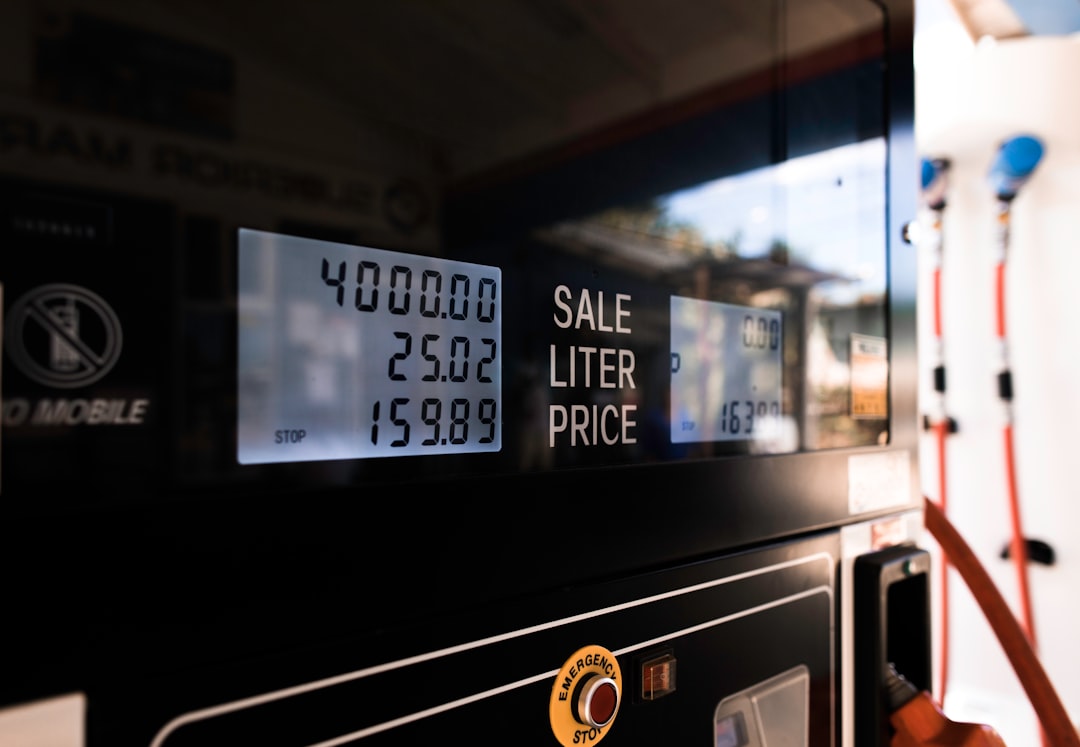
Energy professionals must stay informed about these regulatory changes to effectively navigate the complexities of the LNG market. Understanding the implications of new policies will be essential for making strategic decisions and maintaining competitiveness in a rapidly changing environment. As the US solidifies its position as a leading LNG exporter, the question remains: how will existing suppliers respond to this challenge, and what new dynamics will emerge in global energy pricing?
In summary, the expansion of US LNG exports is not just a shift in supply; it represents a fundamental change in the global energy landscape. Energy professionals must prepare for these changes to remain relevant and competitive in an evolving market.
Career Ahead analysis shows that energy policy analysts will need to closely monitor the evolving pricing dynamics and regulatory frameworks as the US expands its LNG exports.
Frequently Asked Questions
What are the implications of US LNG export expansion for energy policy analysts?
Career Ahead analysis shows that energy policy analysts will need to closely monitor the evolving pricing dynamics and regulatory frameworks as the US expands its LNG exports. Understanding these changes will be critical for making informed policy recommendations.
How should LNG export managers adapt to changing market conditions?
LNG export managers must stay abreast of regulatory changes and market trends to optimize their operations. This includes adjusting pricing strategies and exploring new partnerships to navigate the competitive landscape effectively.
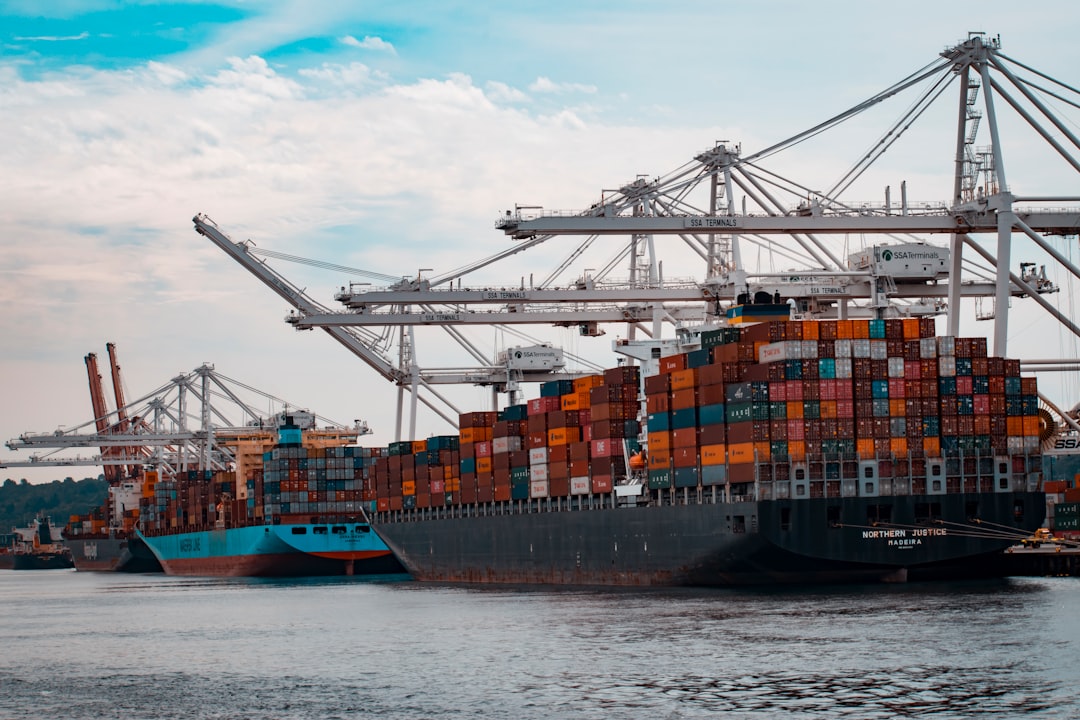
What strategies should energy professionals consider in response to US LNG export growth?
Energy professionals should focus on diversifying their supply chains and enhancing their understanding of the regulatory environment. Adapting to the new dynamics of global energy pricing will be essential for maintaining competitiveness.
You may also like
 Industry & Global Trends
FPIs Pull ₹13,138 Crore from Indian Equities | Career Outlook
The recent withdrawal marks a notable shift, as FPIs had been net sellers for four consecutive months from March to June 2026.
Read More →