No products in the cart.

USTR Greer Comments Signal Changes in Diesel Export Policy to Canada
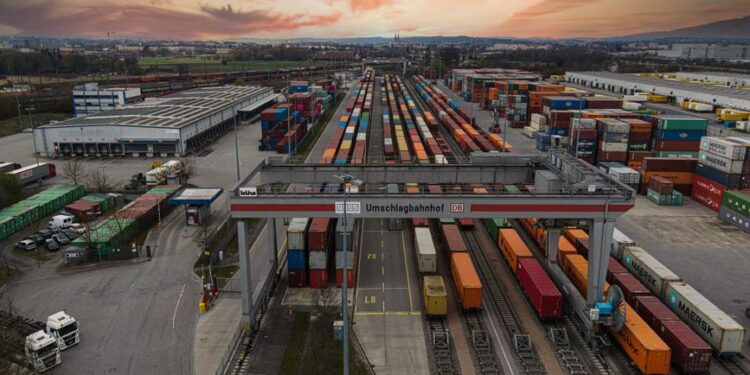
USTR Greer's comments on diesel export policy could reshape trade dynamics between the U.S. and Canada, potentially increasing U.S. diesel exports while impacting Canadian market conditions and pricing structures.

U.S. Trade Representative (USTR) Greer recently made significant comments regarding trade policies that could alter the landscape for diesel exports to Canada. His remarks, delivered during a press briefing on September 21, 2026, highlight the U.S. government’s evolving stance on international trade, particularly concerning energy exports. This shift comes at a time when the U.S. and Canada are closely linked economically, especially in the energy sector.
Greer’s comments suggest that the U.S. may adopt a more flexible approach to its diesel export regulations, potentially benefiting exporters while impacting trade relations with Canada. As the U.S. seeks to improve its competitiveness in the global market, changes in policy could have immediate repercussions for diesel exporters and trade analysts alike.
Implications of USTR Greer’s Stance on Diesel Exporters
USTR Greer’s recent statements indicate a possible relaxation of current regulations governing diesel exports. This could lead to increased opportunities for U.S. diesel exporters, particularly those looking to expand their market share in Canada. According to data from the U.S. Energy Information Administration (EIA), the U.S. has been a significant supplier of diesel fuel to Canada, with exports reaching over 200,000 barrels per day in recent months.[1]
Career Ahead’s analysis finds that if the USTR implements a more favorable export policy, U.S. diesel exporters could see a substantial increase in demand from Canadian buyers. This is particularly relevant as Canada relies heavily on U.S. diesel for its transportation and industrial sectors. Greer’s comments could signal a shift that allows for greater collaboration and trade flow between the two countries.
However, this potential increase in exports may also lead to heightened competition among exporters. As more U.S. companies enter the Canadian market, existing players may need to adjust their strategies to maintain their market positions. This could involve reevaluating pricing, enhancing product quality, or improving supply chain efficiencies.
Moreover, the regulatory changes could also impact the pricing structure of diesel in Canada. If U.S. exports increase, Canadian diesel prices might experience downward pressure. This could benefit consumers in Canada but pose challenges for local producers who may struggle to compete with lower-priced imports.
companies enter the Canadian market, existing players may need to adjust their strategies to maintain their market positions.
Changes in Trade Regulations Affecting Canadian Trade Officials
Canadian trade officials are closely monitoring USTR Greer’s remarks as they could lead to significant changes in trade regulations. The potential for increased U.S. diesel exports may necessitate adjustments in Canadian trade policy to accommodate this influx. According to Natural Resources Canada, the country is already facing challenges in balancing domestic production and import needs, particularly in the energy sector.[2]
Career Ahead’s research indicates that Canadian officials may need to engage in proactive discussions with their U.S. counterparts to ensure that the regulatory environment remains conducive to fair competition. This could involve negotiating terms that protect Canadian producers while facilitating U.S. exports. The outcome of these discussions will be crucial in shaping the future of energy trade between the two nations.
Additionally, as U.S.-China trade relations continue to evolve, Canadian trade officials must remain vigilant about the broader implications of these dynamics. If U.S. policies shift in response to pressures from China, Canada could find itself caught in the middle, potentially affecting its own trade agreements and export strategies.
Recent data from Volza.com shows that diesel exports from Canada to the U.S. have also been significant, indicating a two-way trade relationship that could be impacted by USTR Greer’s comments.[3] Canadian officials will need to consider how to balance their export capabilities with the anticipated increase in U.S. diesel exports to ensure that they do not lose market share.
As these trade negotiations unfold, Canadian officials will need to assess the potential impact on domestic producers and consumers. If U.S. exports flood the market, it could lead to a shift in pricing dynamics and availability of diesel fuel in Canada.
Wider Impact on U.S.-China Trade Relations
The implications of USTR Greer’s comments extend beyond just diesel exports to Canada; they also resonate within the broader context of U.S.-China trade relations. As the U.S. seeks to strengthen its energy export capabilities, it may also be signaling a strategic pivot in its approach to global trade. This could have ripple effects on how China responds to U.S. policies and its own energy import strategies.
Career Ahead’s analysis identifies that the U.S.
Career Ahead’s analysis identifies that the U.S. may be positioning itself to counterbalance China’s influence in the energy market. By enhancing its diesel export capabilities, the U.S. could not only satisfy Canadian demand but also create a more competitive stance against Chinese energy imports in other regions.
Furthermore, as trade tensions between the U.S. and China persist, U.S. policymakers may view diesel exports as a means to strengthen economic ties with allies like Canada. This could lead to a more unified front in trade negotiations with China, leveraging energy exports as a bargaining chip.

In this context, U.S. trade policy is likely to become a focal point of discussion among trade analysts and policymakers. Understanding the interplay between U.S. diesel exports and global trade dynamics will be crucial for stakeholders navigating these changes.
As the situation develops, stakeholders must remain alert to how these trade policies evolve and their potential impacts on both U.S. and Canadian markets.
With USTR Greer’s comments setting the stage for potential shifts in diesel export policy, the coming months will be critical for exporters and trade officials alike. Will we see a more collaborative approach to energy trade, or will competition intensify as both countries seek to assert their positions in the global market?
Trade policy analysts must closely monitor these developments to understand the potential effects on market dynamics and regulatory changes.
Frequently Asked Questions
What are the implications of USTR Greer’s comments for trade policy analysts?
USTR Greer’s remarks suggest a shift in U.S. trade policy that could impact diesel exports significantly. Trade policy analysts must closely monitor these developments to understand the potential effects on market dynamics and regulatory changes.
How might changes in diesel export regulations affect exporters?
Changes in diesel export regulations may open new markets for U.S. exporters while increasing competition. Exporters will need to adapt their strategies to maintain market share as more players enter the Canadian market.

What actions should Canadian trade officials take in response to USTR’s statements?
Canadian trade officials should engage in proactive discussions with U.S. counterparts to negotiate terms that protect local producers while accommodating increased U.S. diesel exports. This will be crucial to maintaining a balanced trade environment.
Written by Career Ahead AI. AI can make mistakes, so verify key facts. Report errors to support@careeraheadonline.com.