No products in the cart.

Venezuela Oil Challenges, Renewable Overcapacity, Defense Tech Surge
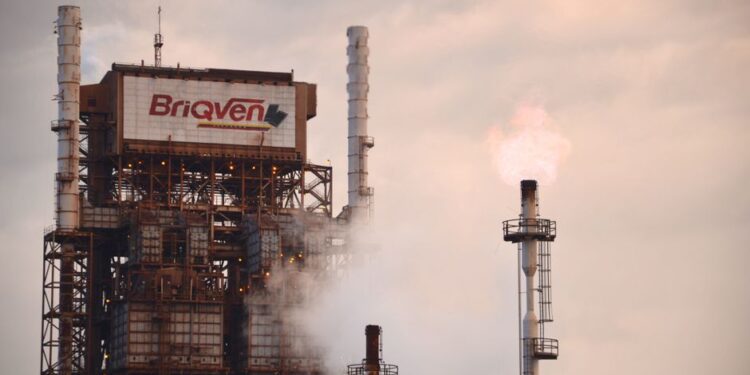
The renewed output from Venezuela comes at a time when the global oil market is already experiencing volatility.

As of September 2026, Venezuela has increased its oil production to about 1 million barrels per day. This rise follows political and economic reforms aimed at revitalizing the oil industry. The implications of this increase are significant, affecting global oil prices and the renewable energy market.
Venezuela’s renewed output comes at a time of global oil market volatility. Major producers, including OPEC+, are adjusting their strategies to stabilize prices. With Venezuela re-entering the market, its increased supply could lower prices worldwide. This change impacts oil-dependent economies and industries. A report by the Wall Street Journal suggests that Venezuelan oil production could decrease Brent crude prices, which are already under pressure from a global economic slowdown. This situation creates challenges for oil-dependent countries, especially in Latin America, as they adapt to fluctuating prices.
Venezuela’s Oil Surge and Global Market Dynamics
Career Ahead’s analysis shows that Venezuela’s rise in oil production will challenge the current global oil market dynamics. The country has the world’s largest proven oil reserves but has struggled for years due to sanctions and internal issues. Recent political changes may help Venezuela unlock its potential, leading to a significant increase in global supply.
As Venezuela boosts its production, other oil-producing nations may need to adjust their output to maintain price stability. This shift could ripple through the energy sector, affecting investments and job opportunities. The International Energy Agency (IEA) warns that increased oil supply from Venezuela could heighten tensions within OPEC. Countries like Saudi Arabia and Russia may feel pressured to adjust their production levels, further influencing global oil prices. This uncertainty poses challenges for oil industry professionals who must navigate these changes carefully.
This uncertainty poses challenges for oil industry professionals who must navigate these changes carefully.
You may also like
 Industry & Global Trends
US Employers Cut Hiring, Wage Growth Stalls | Career Outlook
The implications of this hiring slowdown are profound. With fewer positions available, job seekers face increased competition for roles, while HR managers must rethink their…
Read More →Additionally, the geopolitical landscape is shifting as Venezuela’s oil exports rise. The country may seek to strengthen ties with major oil consumers like China and the United States. This geopolitical maneuvering could create new partnerships and investment opportunities in the energy sector. However, it raises questions about the long-term sustainability of Venezuela’s oil industry, given its historical challenges. CNBC highlights that recent U.S.-Venezuela oil deals may open investment avenues but also bring scrutiny over human rights and governance issues in Venezuela.
Moreover, increased Venezuelan oil production could prompt oil-importing nations to reevaluate their energy policies. Countries investing heavily in renewable energy may reassess their strategies due to cheaper oil prices. This shift could slow the momentum of the renewable energy transition, which many governments prioritize to combat climate change.
Overcapacity in Renewable Energy: Challenges Ahead
While Venezuela’s oil production surge offers opportunities for oil industry professionals, it poses challenges for renewable energy engineers. The renewable energy sector has grown significantly, with many countries investing in solar and wind energy. However, as oil prices may decrease due to Venezuela’s output, the competitiveness of renewable energy sources could be affected.
TradingView notes that the relationship between oil prices and renewable energy investments will be crucial for the future of energy production.
Career Ahead research indicates that overcapacity in the renewable energy sector may slow new investments. As oil becomes cheaper, some investors might divert funds from renewable projects, impacting job creation and innovation. Renewable energy engineers may need to focus on improving efficiency and reducing costs to stay competitive. Overcapacity could also lead to a consolidation phase in the renewable sector, where only the most efficient companies survive.
Additionally, the current overcapacity raises questions about the future of global energy policies. Governments may feel pressure to reconsider their renewable energy commitments due to fluctuating oil prices. This could lead to a more cautious approach to renewable energy investments, significantly impacting engineers and project managers. TradingView notes that the relationship between oil prices and renewable energy investments will be crucial for the future of energy production.
You may also like
 Industry & Global Trends
Triyoga’s Crisis: Unpaid Instructors, Financial Struggles
Triyoga, once a favorite among celebrities and fitness enthusiasts, faced significant financial challenges leading to its downfall. Instructors reported that they had not received their…
Read More →
In response to these challenges, renewable energy professionals must stay updated on market trends and adapt their strategies. By focusing on innovation and collaboration, they can thrive in a shifting energy landscape. A diversified energy portfolio will become increasingly important as market dynamics evolve, emphasizing the need for renewable sources to remain viable despite cheaper fossil fuels.
Furthermore, the renewable energy sector may need to advocate for supportive policies that encourage investment, even amid oil price volatility. This could involve lobbying for incentives that promote renewable energy adoption, ensuring the transition to a sustainable energy future stays on track.
In conclusion, the intersection of Venezuela’s oil production, renewable energy overcapacity, and defense technology investment highlights the complex dynamics in today’s energy landscape. As global oil prices fluctuate and energy policies evolve, professionals across these sectors must remain agile and informed. The coming months will be critical as stakeholders navigate these changes and their implications for the future of energy and defense technology.
Staying informed about market trends and adapting strategies will be crucial for success in this changing landscape.
Frequently Asked Questions
What are the implications of Venezuela’s oil production for oil industry professionals?
Career Ahead analysis shows that the increase in Venezuelan oil production could lower global oil prices. This change may impact job stability and investment in the oil sector, creating challenges for oil industry professionals.
How can renewable energy engineers adapt to overcapacity issues?
Renewable energy engineers should enhance efficiency and reduce costs to remain competitive as oil prices potentially decrease. Staying informed about market trends and adapting strategies will be crucial for success in this changing landscape.

What should defense technology investors consider in light of current market trends?
Defense technology investors should monitor the geopolitical implications of Venezuela’s oil resurgence. Increased military spending may follow, and opportunities in cybersecurity and energy infrastructure protection are likely to grow as nations prioritize energy security.
You may also like
 Industry & Global Trends
What is happening to the Indian IT bench? | Explained | Career Outlook
India's IT sector is undergoing significant changes in its bench policies, impacting job security and project allocation for IT professionals. Major firms are tightening their…
Read More →