No products in the cart.

Reid Hoffman Thinks Doctors Should Ask AI for a Second Opinion

Reid Hoffman advocates for the integration of AI in healthcare, suggesting that doctors should seek AI-generated second opinions to improve patient outcomes and address systemic challenges in the medical field.

Reid Hoffman’s Vision for AI in Healthcare
In an era where technology rapidly reshapes industries, Reid Hoffman, co-founder of LinkedIn, has turned his attention to healthcare. He argues that doctors should consult AI systems as a second opinion in medical diagnoses. This perspective could redefine how healthcare is delivered, especially in a world grappling with physician shortages and rising patient demands.
Hoffman’s vision comes at a critical time. The healthcare sector faces significant challenges, including long wait times and a lack of accessible specialists. By integrating AI into the diagnostic process, Hoffman believes healthcare can become more efficient and equitable. As he stated at WIRED Health, “If as a doctor, you’re not using one or more frontier models as a second opinion, my belief is you’re bordering on committing malpractice.” This bold assertion highlights the urgency of incorporating AI into everyday medical practice.
AI’s Role in Drug Discovery and Diagnostics
Hoffman’s startup, Manas AI, aims to revolutionize drug discovery, shortening the timeline from years to mere months. According to Hoffman, AI can provide insights that human doctors might overlook. He emphasizes that AI systems, particularly advanced large language models, can analyze vast amounts of medical data to offer valuable second opinions. This capability is particularly crucial in oncology, where timely and accurate diagnoses can significantly affect patient outcomes.
However, this approach is not without controversy. Critics argue that AI lacks the nuanced understanding of human health that experienced doctors possess. A major study highlighted the risks of relying on AI for medical advice, noting that these systems can sometimes produce inaccurate information. For instance, a report from Harvard Business Review pointed out that while AI can assist in diagnostics, it may also introduce new errors if not properly supervised by healthcare professionals.
For instance, a report from Harvard Business Review pointed out that while AI can assist in diagnostics, it may also introduce new errors if not properly supervised by healthcare professionals.
Enhancing Healthcare Accessibility with AI
Hoffman’s insights extend beyond drug discovery. He envisions AI as a tool to democratize healthcare, particularly in underserved regions. With the UK’s National Health Service struggling under the weight of demand, AI could serve as an initial triage tool, helping patients determine whether they need to see a doctor. This potential for increased accessibility is crucial. Many patients face barriers to care due to geographic or financial constraints. By providing immediate, AI-driven assessments, healthcare could become more reachable for those who need it most.
You may also like
 Entrepreneurship & Business
Bajaj Finance set to mop up Rs 17,500 crore via QIP, warrants
Bajaj Finance plans to raise ₹17,500 crore through a qualified institutional placement (QIP) and warrants, marking its first major capital raise since November 2023. This…
Read More →Moreover, AI can assist in managing chronic conditions, offering patients ongoing support and monitoring. This proactive approach could lead to better health outcomes and reduce the burden on healthcare systems. As Hoffman noted in his discussions, the integration of AI could significantly alleviate the pressures on healthcare providers, allowing them to focus on more complex cases while AI handles routine assessments.
Navigating Ethical Concerns in AI Integration
The conversation around AI in healthcare is fraught with contradictions. On one hand, proponents like Hoffman argue for the immense benefits of AI, including improved diagnostics and increased efficiency. On the other hand, skeptics highlight the ethical implications and potential risks associated with AI decision-making. Concerns about data privacy and bias in AI algorithms are prevalent. Critics worry that AI may perpetuate existing inequalities in healthcare rather than alleviate them. As Hoffman himself acknowledges, there are significant challenges to overcome, including regulatory oversight and ensuring data integrity.
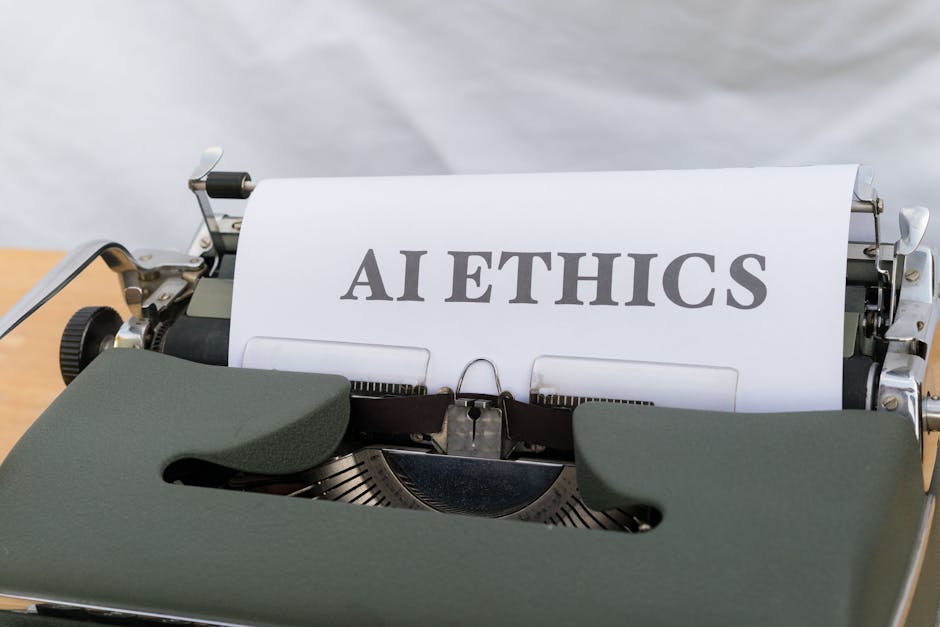
This ongoing debate underscores the need for a balanced approach to AI integration in healthcare. While AI holds promise, it must be implemented thoughtfully to avoid unintended consequences. The ethical considerations surrounding AI’s role in healthcare are paramount, as highlighted by various experts who stress the importance of transparency and accountability in AI systems.
This ongoing debate underscores the need for a balanced approach to AI integration in healthcare.

Looking Towards an AI-Driven Future in Healthcare
As technology continues to evolve, the role of AI in healthcare is likely to expand. Hoffman predicts that within a decade, AI-driven diagnostics will be commonplace, fundamentally shifting how doctors approach patient care. This shift could lead to a new era of personalized medicine, where treatments are tailored to individual patient profiles based on AI analysis.
Moreover, as AI becomes more integrated into healthcare systems, the potential for personalized medicine increases. AI can analyze individual patient data to tailor treatments, improving outcomes and patient satisfaction. However, realizing this future requires collaboration between technologists, healthcare professionals, and regulators. Establishing clear guidelines and ethical frameworks will be essential to ensure that AI serves the best interests of patients and the healthcare system as a whole.
You may also like
 Entrepreneurship & Business
Zoho Arattai Challenges WhatsApp Business Pricing | Career Outlook
Arattai for Business is designed to facilitate communication within organizations and with customers. According to Zoho's founder, Sridhar Vembu, the platform not only supports messaging…
Read More →