No products in the cart.

West Asia Crisis Drives April Manufacturing PMI to Low
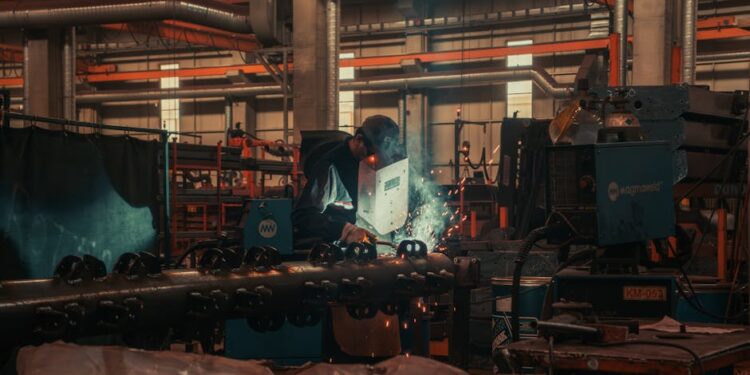
The West Asia crisis has led to a significant decline in the manufacturing PMI for April, indicating potential economic repercussions for India and beyond.

Impact of West Asia Crisis on Manufacturing PMI
The ongoing crisis in West Asia has caused a notable decline in manufacturing activity across the region. The HSBC India Manufacturing Purchasing Managers’ Index (PMI) fell to 54.7 in April 2026, marking the second-lowest level in nearly four years. Although this figure shows a slight improvement from March’s 53.9, it indicates that new orders and output remain at historically low levels. A PMI reading above 50 signifies growth, while below 50 indicates contraction.
Reports indicate that rising input prices have complicated the manufacturing landscape, adding pressure on producers already grappling with geopolitical instability. The conflict has disrupted supply chains and increased operational costs, potentially leading to higher prices for consumers in the coming months.
Challenges from Rising Input Costs
The surge in input costs due to the West Asia crisis is a significant concern for manufacturers. Input prices rose sharply in April, straining profit margins. The ongoing conflict has disrupted supply lines, leading to shortages and increased prices for essential materials.
Manufacturers face tough decisions: absorb rising costs or pass them on to consumers. This dilemma could lead to inflationary pressures, impacting consumer spending and overall economic growth. While some manufacturers manage to maintain output levels, many struggle to secure new orders, critical for sustained growth.
While some manufacturers manage to maintain output levels, many struggle to secure new orders, critical for sustained growth.
Wider Economic Consequences
The implications of the West Asia crisis extend beyond manufacturing to the broader economy. With the PMI reflecting a slowdown, economists warn of potential consequences for GDP growth. The conflict has already begun to affect trade relations and could lead to a realignment of economic partnerships.
Countries may reassess their dependencies on imports from conflict zones, prompting a push towards diversifying supply chains. While this shift could create opportunities for local manufacturers, it also poses challenges as they adapt to new sourcing strategies. The long-term effects of this crisis could reshape trade dynamics, particularly for nations heavily reliant on West Asian imports.
Market Reactions and Economic Outlook
Market reactions to the West Asia crisis have been swift, with investors closely monitoring developments. Increased volatility in stock markets, particularly in sectors linked to oil and gas, has been observed. As tensions rise, crude oil prices have surged, impacting global inflation rates.
Analysts predict that if the crisis continues, further declines in manufacturing activity could hinder recovery efforts post-pandemic. While some sectors may experience growth, the overall economic outlook remains cautious.
Implications for Job Seekers
You may also like
 Career Guidance
SBI PO Mains Result Timeline and Prep Insights
The SBI PO Mains Result 2026 is anticipated in September or October 2026. Candidates should prepare for the next selection phases while awaiting results.
Read More →The current state of the manufacturing sector and the broader economic implications of the West Asia crisis are particularly relevant for young professionals entering the job market. As companies face uncertainty, hiring may slow down, and job security could be at risk. Understanding these dynamics can help new graduates navigate their career paths more effectively.
Market Reactions and Economic Outlook Market reactions to the West Asia crisis have been swift, with investors closely monitoring developments.
Additionally, sectors that are more resilient to geopolitical tensions may offer better opportunities for job seekers. As industries evolve, skills in supply chain management and adaptability will become increasingly valuable. Young professionals should consider how global events impact their fields and be prepared for changes in demand.