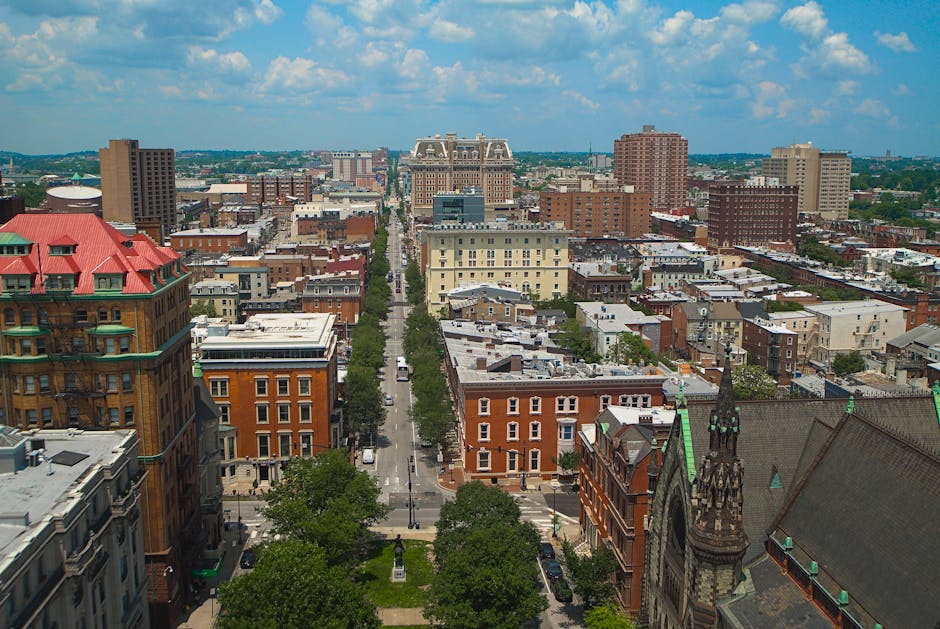
Baltimore’s Housing Challenge
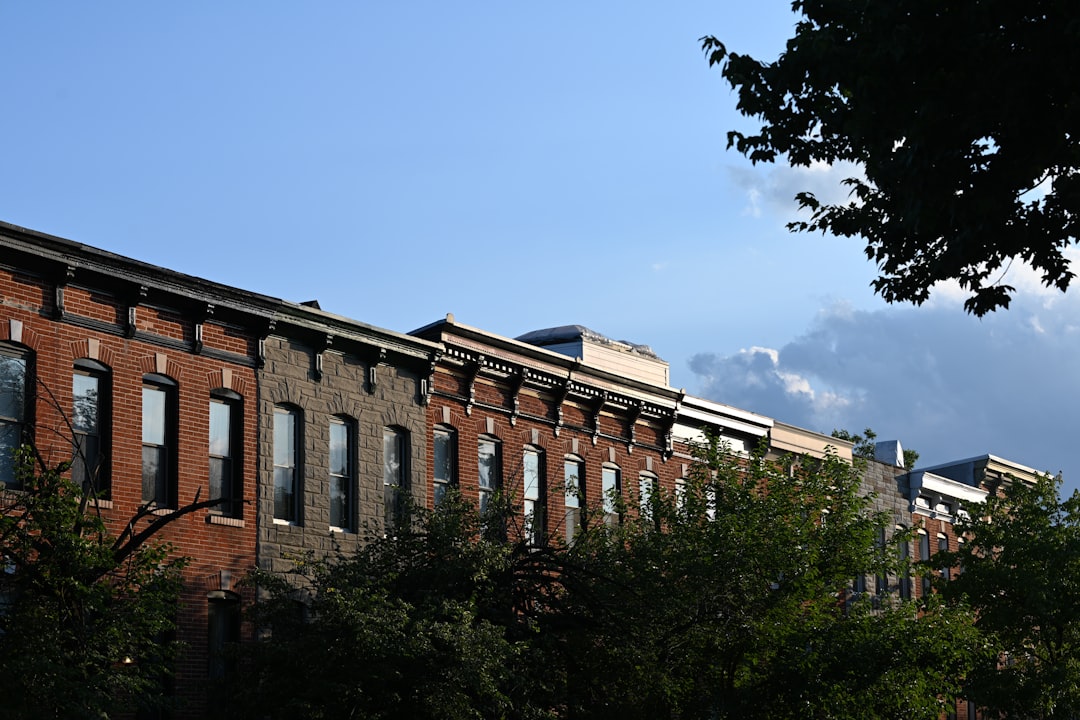
Baltimore, US — The city faces a significant challenge with thousands of vacant homes. Mayor Brandon Scott has prioritized this issue since taking office in 2020. The number of vacant properties has decreased from 16,000 to just over 11,800, but much work remains. Empty homes contribute to urban decay and can deter new investments in the community.
Vacant houses often attract crime and lower property values in surrounding neighborhoods. This situation exacerbates the city’s struggles with poverty and inequality. Mayor Scott’s focus on these homes aims to combat these broader social issues while revitalizing the community.
Community Engagement in Redevelopment
Mayor Scott emphasizes community involvement in redevelopment plans. His administration works closely with local residents to identify which properties should be prioritized for rehabilitation. This grassroots approach ensures that the voices of those most affected by the vacant housing crisis are heard.
The city has initiated programs to connect developers with community organizations, aligning redevelopment projects with the needs of residents. By matching developers with community-minded goals, the city aims to create sustainable housing solutions.
Furthermore, the city has launched educational campaigns to inform residents about available resources, empowering locals to take part in the revitalization process and fostering a sense of community ownership and pride.
The city has initiated programs to connect developers with community organizations, aligning redevelopment projects with the needs of residents.
Funding and Government Strategies
Funding is a critical element in combating the vacant housing issue. The Scott administration has sought various funding sources to support its initiatives, applying for state and federal grants aimed at urban development and housing rehabilitation.
The mayor’s office is also exploring partnerships with private investors to bring additional resources and expertise. By leveraging both public and private funding, the city hopes to maximize its impact on vacant housing.
Additionally, the administration is focusing on streamlining the process for developers, simplifying regulations to encourage more investment in vacant properties and making it easier for developers to transform these spaces into livable homes.
Measuring Progress and Success
Tracking the progress of these initiatives is vital for accountability. The city has established metrics to measure the effectiveness of its strategies, including regular reports on the number of rehabilitated homes and community feedback.
Measuring Progress and Success Tracking the progress of these initiatives is vital for accountability.
The administration is committed to transparency, sharing data with the public to build trust and keep residents informed. This transparency helps ensure that the community can hold the government accountable for its promises.
 Industry & Global Trends
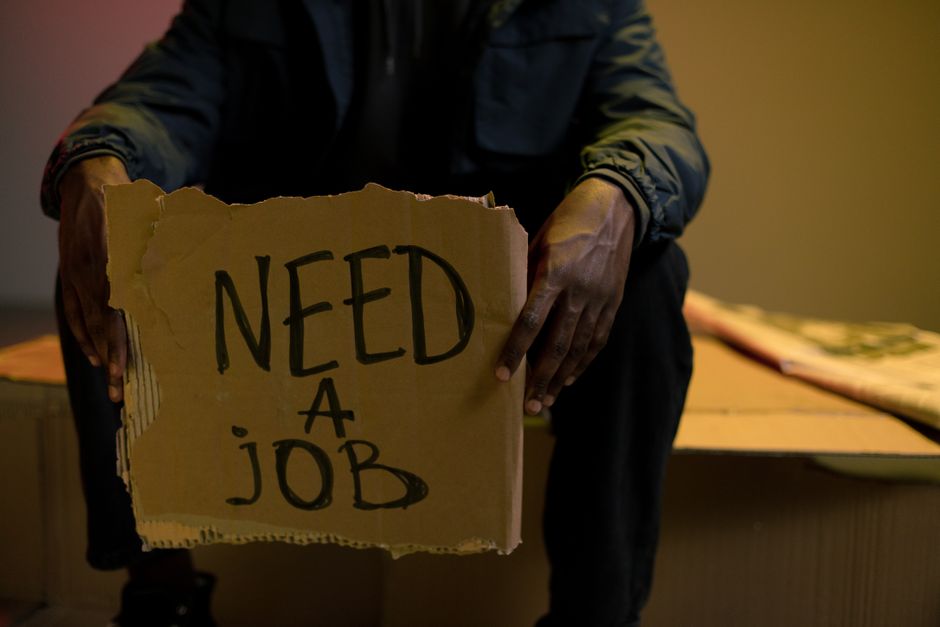
UK Job Slump Longer Than During Financial Crisis, PMI Says
The manufacturing sector has seen a notable drop in job vacancies, with many companies scaling back their hiring efforts.
Read More →Moreover, feedback from residents is crucial in refining these efforts. The city is conducting surveys and community meetings to gather input, allowing for adjustments based on what works and what doesn’t.
Broader Implications for Urban Development
The implications of addressing the vacant housing crisis extend beyond Baltimore. Successful strategies could serve as a model for other cities facing similar issues. As urban areas across the US grapple with housing shortages, Baltimore’s approach may offer valuable lessons.
Revitalizing vacant properties can have positive economic impacts, attracting new residents and businesses, leading to job creation and stimulating local economies. However, the challenge remains to ensure that revitalization efforts do not lead to gentrification, balancing development with the needs of existing residents.
However, the challenge remains to ensure that revitalization efforts do not lead to gentrification, balancing development with the needs of existing residents.

Insights from Mayor Brandon Scott
In an interview with Bloomberg, Mayor Brandon Scott discussed the historical context of Baltimore’s housing crisis, citing deindustrialization and redlining as significant contributing factors. He emphasized the importance of community-based approaches in identifying redevelopment opportunities and matching projects with publicly-minded developers.
Sources: Nul, Baltimore Sun, Baltimore City.
Written by Career Ahead AI. AI can make mistakes, so verify key facts. Report errors to support@careeraheadonline.com.