The Promise of flexibility: How Hybrid Work Enhances Autonomy
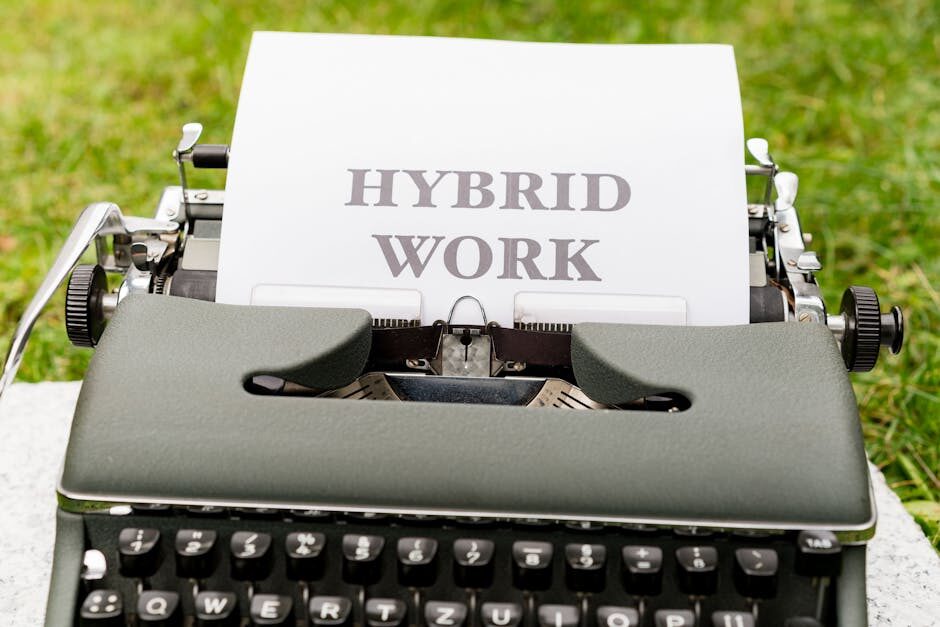
Five years after the pandemic, hybrid work models have become the new normal. The appeal is clear: employees choose between the office and home, deciding where they work best. This autonomy is supported by research linking flexibility to higher engagement, better mental health, and increased productivity.
Choosing the Right Environment
Hybrid work allows employees to select the best setting for their tasks. Collaborative projects benefit from the office’s proximity, while focused tasks—like coding or writing—thrive in a quiet home office. The Oxford Review highlights that digital tools reduce commuting and meetings, allowing employees to reclaim hours for productive work or personal time.
Autonomy and Well-Being
A 2024 study found that hybrid workers enjoy numerous well-being benefits. Flexibility leads to better work-life balance, more family time, and opportunities for health-promoting activities like exercise and sleep. Employees report lower stress from reduced commuting and improved management of work-related pressures. When people control their schedules, they foster creativity and resilience.
The Challenges of Choice
However, autonomy requires effective self-management. Distractions at home can hinder performance. The freedom to set schedules may blur work-life boundaries, leading to overwork or procrastination. Thus, success in hybrid work relies on employees developing the discipline to use their freedom wisely.
The Hidden Costs: Workplace Interruptions
While offices foster spontaneous interactions, they also bring interruptions. The flexibility of hybrid work can lead to new distractions, such as constant notifications and unscheduled check-ins.
Thus, success in hybrid work relies on employees developing the discipline to use their freedom wisely.
Interruptions in the Office
Traditional offices are filled with communication-related interruptions, like casual chats and impromptu meetings. These distractions fragment attention and require effective self-management to maintain productivity, as noted by the Oxford Review.
Home Distractions
At home, distractions shift to household chores, family members, and streaming services. The 2024 study also points out that isolation can sap motivation and create a sense of disconnection from the team. While remote work reduces some pressures, it introduces new attentional challenges.
The SBI PO Mains Result 2026 is anticipated in September or October 2026. Candidates should prepare for the next selection phases while awaiting results.
When interruptions accumulate, they lead to a significant decline in cognitive performance. Frequent context switching drains mental energy, resulting in errors and slower decision-making. The Oxford Review emphasizes that hybrid work requires strong self-management skills to avoid undermining productivity.
Navigating the Hybrid Landscape: Strategies for Success
Recognizing the benefits and challenges of hybrid work is just the beginning. The real task is creating systems that enhance autonomy while minimizing interruptions.
Building Self-Management Skills Employees should develop a personal productivity strategy that includes:
Building Self-Management Skills
Employees should develop a personal productivity strategy that includes:
Setting clear boundaries: Use calendars to mark focus times and communicate availability.
Creating a dedicated workspace: A specific area with minimal distractions can enhance concentration.
Establishing routines: Start and end the day with brief planning and reflection sessions to maintain focus.
Using Technology Wisely
Tools that can interrupt can also help maintain focus. Noise-cancelling headphones, “do not disturb” modes, and website blockers are effective. Additionally, digital collaboration tools can facilitate idea sharing without constant meetings.
Organizational Practices that Support Autonomy
Leadership is crucial in fostering a hybrid culture that balances freedom and focus. Effective practices include:
Setting clear expectations: Focus on outcomes rather than hours worked.
Providing training: Offer workshops on time management and remote communication.
Implementing structured check-ins: Regular, agenda-driven meetings can replace ad-hoc interruptions.
Fostering Connection Without Distraction
To combat isolation, companies can schedule optional virtual coffee breaks, create interest groups, and encourage occasional in-person gatherings. These interactions can rebuild informal networks without constant interruptions.
Measuring What Matters
Metrics should go beyond attendance. Track time spent on deep work versus meetings, monitor employee stress levels, and gather feedback on collaboration quality. By aligning measurements with autonomy and productivity goals, organizations can adjust policies before small issues become major obstacles.
As the future of work evolves—driven by AI tools and changing career paths—the competitive edge will belong to those who can balance employee freedom with structures that minimize distractions.
UK job applicants are not obliged to disclose their current salary during interviews, a significant development in employment practices. This shift empowers candidates to negotiate…
Hybrid work is an evolving model shaped by technology, culture, and individual habits. Evidence shows that when autonomy is paired with self-management and thoughtful design, productivity thrives. However, the same freedom can lead to interruptions that diminish those gains.
As the future of work evolves—driven by AI tools and changing career paths—the competitive edge will belong to those who can balance employee freedom with structures that minimize distractions. The future of work is less about location and more about protecting what matters most.




 Career Guidance
Career Tips