No products in the cart.

Why Manufacturing Has Lagged in India: Insights from

This article delves into the reasons behind India's manufacturing lag, drawing insights from The Hindu's recent analysis, focusing on economic policies and their impact on growth.

Delhi, India — India’s manufacturing sector has struggled to keep pace with its counterparts in China and South Korea. Despite its potential, the share of manufacturing in India’s GDP has stagnated, leading to concerns about economic competitiveness. This issue is critical now, as India aims to position itself as a global manufacturing hub.
In a recent article by The Hindu, economist Arvind Subramanian highlights the factors contributing to this stagnation. He argues that high public sector wages have diverted talent away from manufacturing, making it difficult for the sector to thrive. As a result, India’s manufacturing has not seen the technological advancements necessary for growth, while other countries continue to excel.
Subramanian’s insights underscore a troubling trend: the Indian government’s focus on raising public sector wages has inadvertently hampered the manufacturing sector. This phenomenon, often referred to as the ‘Dutch disease’, suggests that when one sector, like government services, expands and raises wages, it can lead to negative consequences for other sectors, including manufacturing.
Why India’s Manufacturing Sector Faces Challenges
India’s manufacturing has not kept pace with its potential due to several systemic issues. The first is the high cost of labor driven by government wages. These wages often exceed what manufacturing firms can afford, leading to a talent drain towards the public sector. Workers are drawn to government jobs for their stability and higher pay, leaving manufacturing struggling to attract skilled labor.
Workers are drawn to government jobs for their stability and higher pay, leaving manufacturing struggling to attract skilled labor.
Moreover, the lack of technological innovation in the manufacturing sector is alarming. While India has made strides in software and services, the same cannot be said for manufacturing. According to Subramanian, the absence of significant technological upgrades has resulted in stagnant productivity levels. This stagnation means that even as costs rise, manufacturing output does not improve, making Indian products less competitive on the global stage.
The uneven growth of wages across different sectors also contributes to this issue. In the booming IT sector, for example, salaries have remained relatively low despite the sector’s growth. This disparity creates a landscape where manufacturing cannot compete for talent, further exacerbating its challenges.
You may also like
 Government & Policy
Corporate Health Cover: Risks of Overdependence
Relying solely on corporate health insurance can expose employees to significant risks, especially during job transitions or retirement. This article explores the limitations of corporate…
Read More →The Implications for Your Career in Manufacturing
For professionals in the manufacturing sector, these challenges present both risks and opportunities. If you are starting your career in manufacturing, understanding these dynamics is crucial. Entry-level positions may be limited due to a lack of investment in the sector. However, there is a growing need for skilled workers who can drive innovation and efficiency.
Mid-career professionals should focus on upskilling. As technology becomes increasingly important in manufacturing, acquiring skills in automation, data analysis, and advanced manufacturing processes will be essential. This shift will not only enhance your employability but also position you as a valuable asset in a sector that desperately needs innovation.
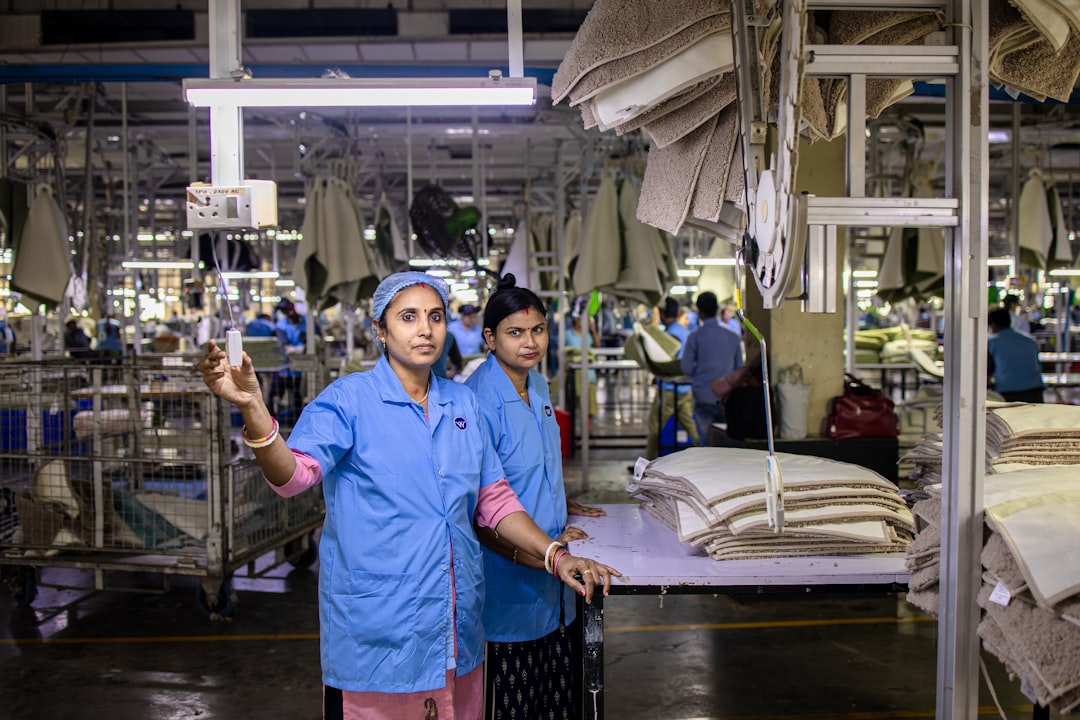
For those considering a career switch, now may be the right time to explore opportunities in manufacturing. With India’s push towards becoming a manufacturing hub, there could be a surge in demand for skilled professionals in the coming years. Understanding the challenges and being prepared to tackle them could set you apart in the job market.
- Upskill in Technology: Take courses in automation and data analytics to enhance your skill set.
- Network with Industry Leaders: Attend manufacturing conferences and workshops to connect with key players in the field.
- Stay Informed: Keep up with industry trends and government policies that affect manufacturing.
However, experts warn that this trend may not be sustainable. A recent study suggests that while the government’s focus on public sector wages aims to improve living standards, it may inadvertently stifle growth in critical sectors like manufacturing, leading to a more significant economic imbalance.
Mid-career professionals should focus on upskilling.
Looking Ahead: The Future of Manufacturing in India
The future of manufacturing in India hinges on several factors, including government policy and industry innovation. As India seeks to bolster its manufacturing sector, there is potential for significant growth. However, this will require a shift in focus from public sector wages to fostering an environment conducive to manufacturing.
You may also like
 Government & Policy
8th Pay Commission Stakeholder Meetings Begin
The 8th Pay Commission is conducting stakeholder meetings to discuss salary and pension revisions for over 1 crore central government employees and pensioners, with key…
Read More →Investment in technology and infrastructure will be crucial. If the government can create incentives for technological adoption in manufacturing, India could see a renaissance in this sector. The question remains: will policymakers prioritize manufacturing growth over public sector salary increases, or will the current trend continue?