No products in the cart.

Why Waymo’s Driverless Taxis Won’t Be on Your Streets Anytime Soon
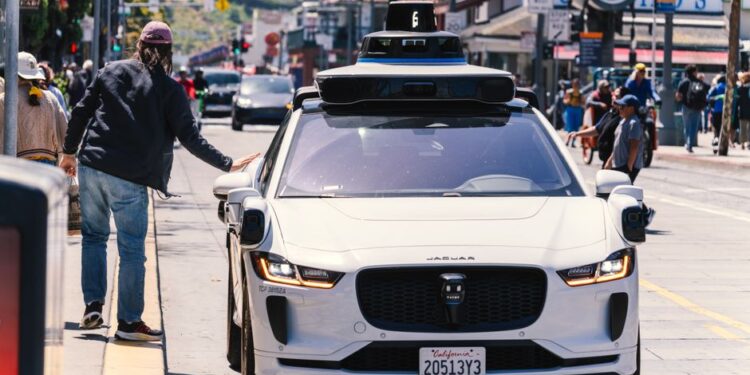
Waymo's ambitions to launch its driverless taxi service are hindered by a complex political landscape. Local governments and public safety advocates are raising concerns about the safety and reliability of autonomous vehicles, leading to a patchwork of regulations that complicate deployment.

Waymo’s efforts to launch its driverless taxi service in the United States face major political hurdles. This is especially true in large markets like San Francisco and Los Angeles. The company, part of Alphabet Inc., aims to quickly expand its fleet of autonomous vehicles. However, recent events suggest that political decisions could delay these plans, impacting the market and job opportunities in the autonomous vehicle sector.
The political environment around autonomous vehicles is complicated. Various stakeholders, including city officials and public safety advocates, have raised concerns about the safety of driverless technology. This scrutiny has led to a mix of regulations that differ widely across regions. According to a CNBC report, these regulatory challenges affect all companies in the autonomous vehicle industry, not just Waymo.
Political Roadblocks Impacting Deployment
Waymo plans to expand its driverless taxi service to cities like San Diego and Washington D.C. by 2026. However, local governments are hesitant to approve the necessary permits. In San Francisco, officials have voiced safety concerns about autonomous vehicles, pointing to accidents involving Waymo cars. This has led to calls for stricter regulations and a cautious approach to deploying autonomous taxis.
Additionally, public sentiment has been influenced by high-profile incidents involving autonomous vehicles. For example, a recent accident with a Waymo vehicle raised alarms among residents and officials. This has resulted in increased scrutiny and demands for thorough safety assessments before further deployment. The New York Times reports that such incidents have fueled skepticism about the readiness of autonomous technology for widespread use, complicating Waymo’s efforts to gain public trust.
Career Ahead’s analysis shows that these political challenges are not just administrative hurdles; they impact job opportunities in the sector. As Waymo and other companies navigate these regulations, the demand for skilled transportation policy analysts and engineers will likely rise. Professionals who can effectively engage with policymakers and advocate for safe integration of autonomous technology will be in high demand.
Professionals who can effectively engage with policymakers and advocate for safe integration of autonomous technology will be in high demand.
You may also like
 Government & Policy
Pentagon Halts Anthropic AI Use After Blacklisting
The Pentagon has officially ceased using Anthropic's AI tools following the company's blacklisting due to national security concerns. This decision marks a significant shift in…
Read More →Moreover, the political landscape is changing. Recent legislative efforts in several states aim to create more standardized regulations for autonomous vehicles. These changes could ease some burdens on companies like Waymo, but they often face public resistance. Community meetings have shown a divide between supporters of autonomous technology and those worried about job loss and safety risks. This ongoing dialogue is crucial as it shapes the future of transportation policy.
Waymo’s situation highlights the tension between technological advancement and public policy. While autonomous vehicles promise benefits like reduced traffic and lower emissions, achieving these goals is challenging. The relationship between technology and regulation will shape the future of transportation in the coming years.
Implications for the Autonomous Vehicle Workforce
The regulatory challenges faced by Waymo and other companies will directly impact the workforce in this sector. As the deployment of driverless taxis slows, job seekers in transportation engineering may need to shift their focus. Career Ahead research indicates that engineers specializing in regulatory compliance and safety analysis will be particularly valuable as companies navigate complex regulations.
Additionally, the demand for skilled professionals in urban planning and public policy is expected to rise. As cities deal with the implications of autonomous vehicles, experts will be needed to develop strategies that address community concerns while promoting technological innovation. This shift presents an opportunity for young professionals and recent graduates to align their careers with industry needs.
As Waymo pushes for expansion, the relationship between technology and regulation will remain a key factor in shaping the future of the autonomous vehicle workforce.
Furthermore, the political climate surrounding autonomous vehicles will likely influence the types of roles that emerge. Positions focused on public relations and community engagement will become increasingly important. Companies will strive to build trust with the public and address safety concerns. Waymo’s experience serves as a case study for the industry, showing the need for professionals who can bridge the gap between technology and societal acceptance.
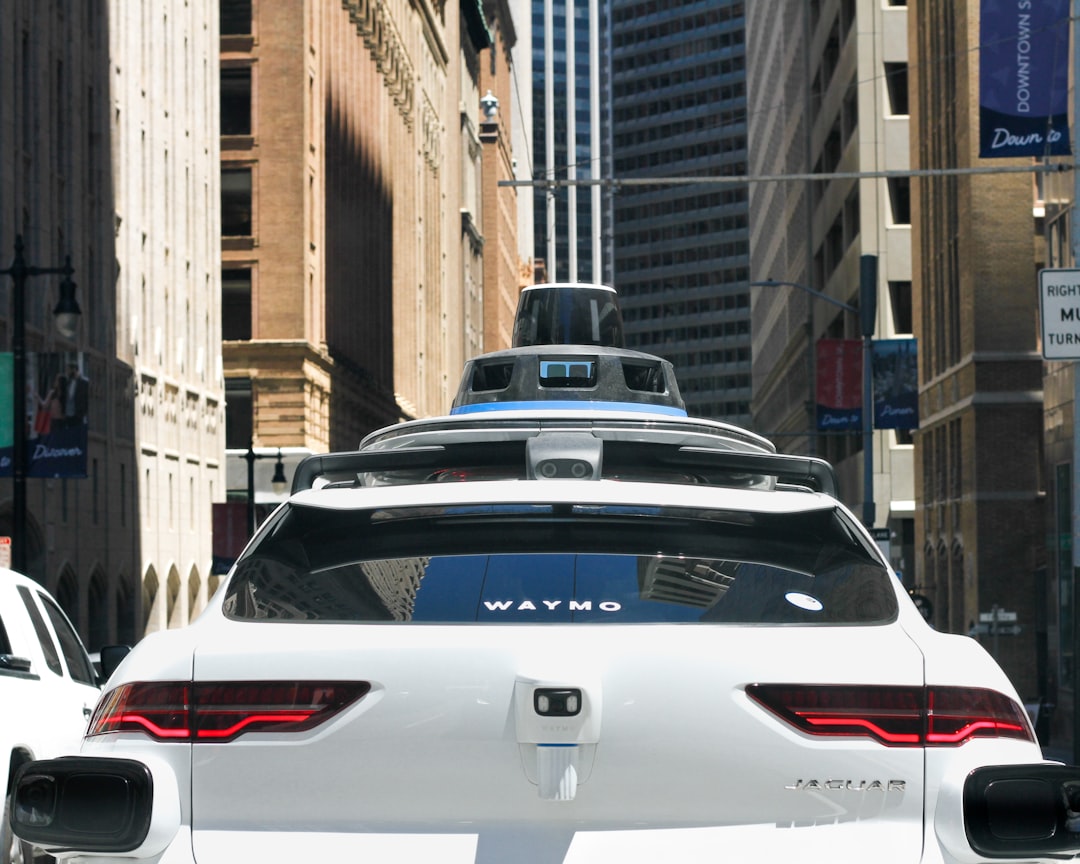
As Waymo pushes for expansion, the relationship between technology and regulation will remain a key factor in shaping the future of the autonomous vehicle workforce. Companies that successfully navigate these challenges will set standards for others, influencing hiring practices and job availability across the sector. InsideEVs highlights that while the road ahead may be bumpy, the potential for job creation remains strong if regulatory hurdles can be overcome.
You may also like
 Government & Policy
US supreme court hears big oil’s bid to block climate damage lawsuits
The US Supreme Court is hearing a pivotal case that could determine the future of climate damage lawsuits against major oil companies, including Suncor Energy…
Read More →Waymo’s driverless taxi service will serve as a bellwether for the entire autonomous vehicle industry. As regulations adapt to new technologies, the implications for job seekers and professionals will be significant. The next few years will be critical in shaping the future of transportation, depending heavily on the balance between innovation and regulation.
As public awareness of autonomous technology grows, so does the potential for changes in public perception and policy. Waymo’s ongoing efforts to engage with communities and regulators may create a more favorable environment for autonomous vehicles. The company is working to improve its technology and enhance communication strategies to inform the public about the safety and benefits of driverless taxis.
Looking ahead, industry experts expect that advancements in technology will lead to more favorable regulations. As safety records improve and public acceptance rises, cities may become more open to driverless taxis as a transportation option. This shift could open new markets for Waymo and similar companies, significantly impacting urban mobility.
As the political landscape evolves, opportunities for collaboration between tech companies and government agencies may arise. Such partnerships could help develop comprehensive policies that support the growth of autonomous vehicles while addressing public safety concerns. The success of these collaborations will be vital in determining how quickly and effectively autonomous vehicles can be integrated into daily life.
The future of Waymo’s driverless taxi service remains uncertain due to the political challenges it faces.
The future of Waymo’s driverless taxi service remains uncertain due to the political challenges it faces. However, the company’s proactive approach to these issues may lead to a more accepted presence of autonomous vehicles in urban areas.
Frequently Asked Questions
What are the latest regulations affecting autonomous vehicles?
Career Ahead’s analysis shows that regulations vary widely by region. Some cities impose strict limits on deploying driverless taxis. As cities like San Francisco and Los Angeles assess safety concerns, companies like Waymo face delays in their expansion plans.
How do political decisions impact the future of driverless taxis?
Political decisions directly affect the deployment and expansion of driverless taxis. Local governments can approve or deny permits, and public sentiment significantly influences these decisions.
You may also like
 Government & Policy
New Visa Regulations Impacting Indian Students
Australia's new student visa regulations, effective October 2026, impose stricter rules for international students, particularly impacting those from India. The changes include a mandatory 12-month…
Read More →
What should autonomous vehicle engineers consider when planning for market entry?
Engineers must understand the regulatory landscape in their target markets. Engaging with policymakers and knowing local laws will be crucial for successfully deploying autonomous technologies.