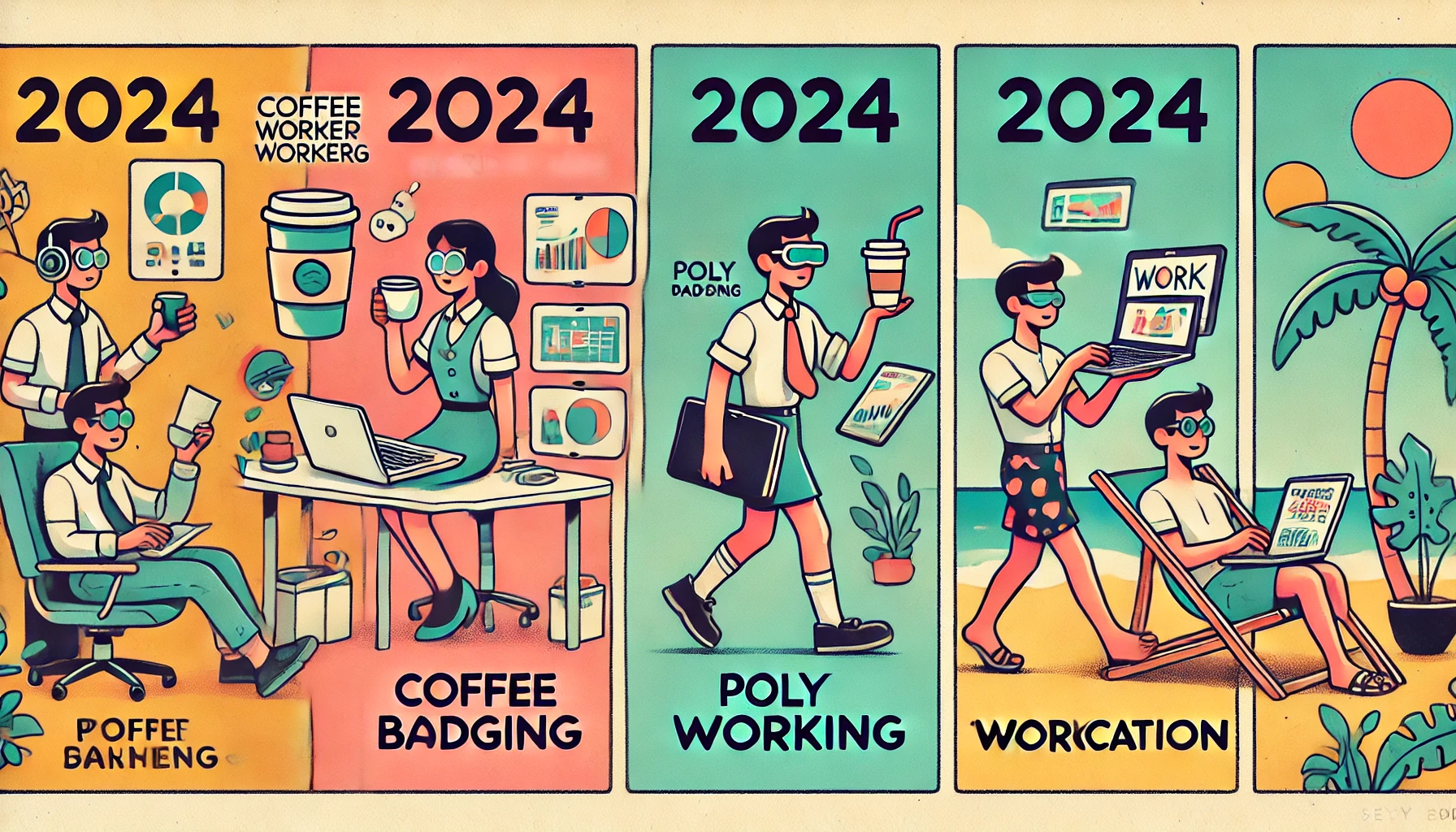
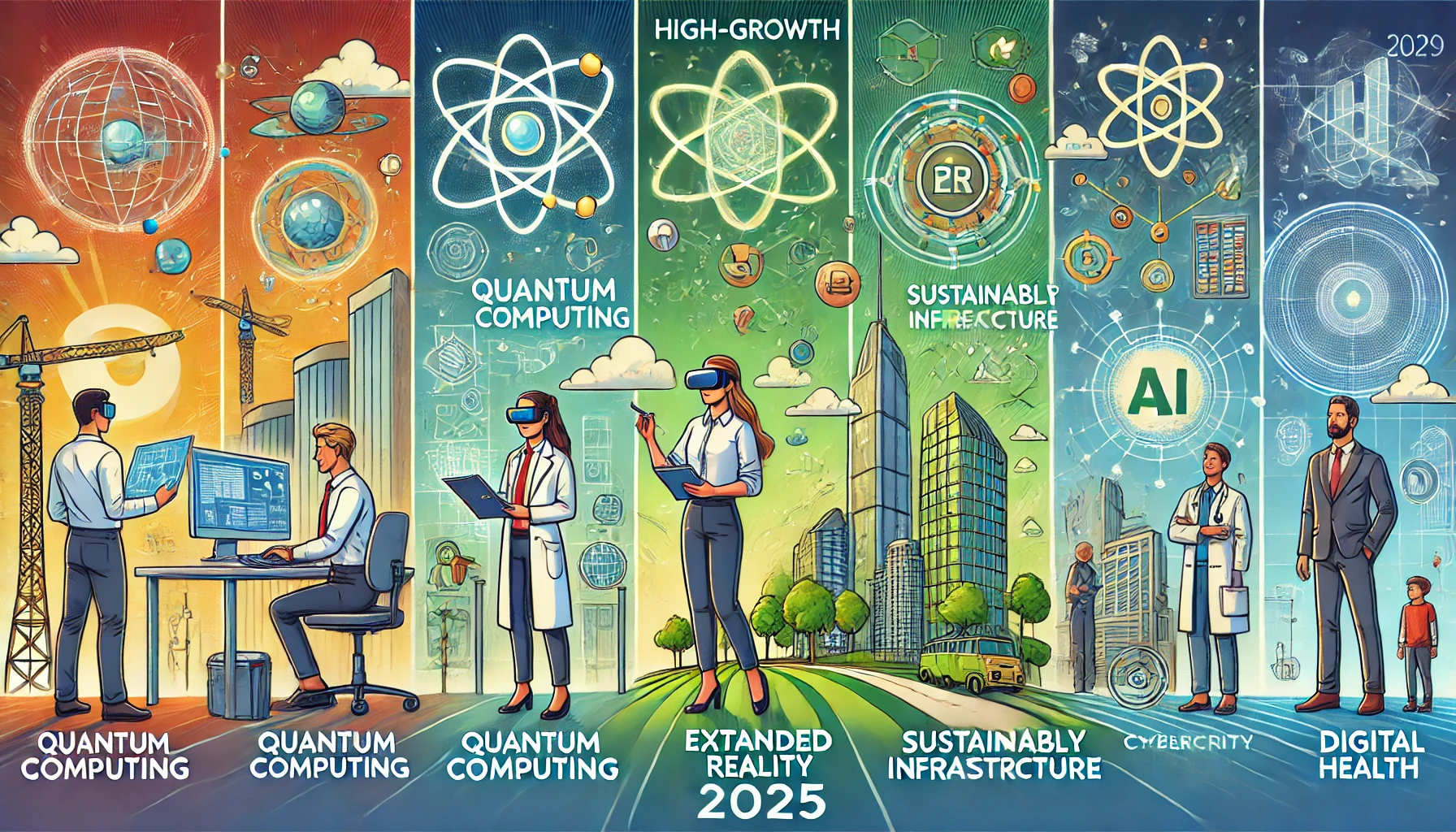
Professionals stare at a shifting script every day: remote cameras, AI nudges, and gig contracts rewrite what it means to be “professional.” The old guard—firm handshakes, polished attire, after-hours availability—collides with a digital, decentralized reality. Understanding this clash matters now because the next career move hinges on navigating a landscape where the rules vary by platform, algorithm, and contract rather than by industry.
How have digital collaboration tools cracked the old script of professional behavior?
Tools like Slack, Teams, and AI-powered assistants blur the line between work and conversation. Instant messaging forces rapid replies, turning “be available” from a polite suggestion into an expectation. Employees now juggle multiple threads, and the cadence of response becomes a new status symbol.
The speed of digital dialogue also reshapes tone. Emojis, GIFs, and informal language appear in board-level chats, eroding the formal diction that defined the 20th-century professionalism era. The result: a hybrid etiquette where brevity wins over polish, and speed trumps ceremony.

“For years, professionalism came with invisible fine print.” — Saloni Jha
Why are hybrid and remote norms eroding traditional dress codes and office etiquette?
When cameras replace conference rooms, the visual cue of a suit loses its power. Companies now set “camera-on” policies but allow casual attire, signaling that competence no longer ties to wardrobe. The shift also changes body language cues; nods and eye contact give way to chat reactions.
“For years, professionalism came with invisible fine print.” — Saloni Jha
Hybrid schedules further dissolve the “always-in-the-office” mindset. Employees log in from cafés, co-working spaces, or home offices, each with its own cultural signals. This geographic dispersion forces managers to rely on output metrics rather than observable presence, redefining how professionalism is measured.

Our earlier coverage explored how flexible policies reshape employee expectations.
What role does AI-driven performance monitoring play in fragmenting professionalism?
 Future Skills & Work
Airbus Adjusts Remote Work Policy Amid Employee Strikes
Airbus's recent decision to adjust its remote work policy reflects the growing demands of employees for flexibility. This change, stemming from a series of strikes,…
Read More →AI platforms now scan emails, code commits, and meeting transcripts to score productivity. These scores create a data-driven professionalism metric that varies by algorithm, not by human judgment. Workers adapt by curating digital footprints, sometimes at the expense of authentic collaboration.
The invisible nature of algorithmic assessment adds a layer of uncertainty. Employees cannot always see which behaviors boost their scores, leading to a “perform-to-the-system” mindset. This dynamic fragments the shared understanding of what constitutes good work, replacing it with a series of hidden, platform-specific rules.
This dynamic fragments the shared understanding of what constitutes good work, replacing it with a series of hidden, platform-specific rules.
How does the rise of gig and project-based work shift expectations around loyalty and availability?
The gig economy now accounts for a significant portion of the workforce, with various estimates suggesting a figure between 5% to 30% depending on the source. Contracts emphasize deliverables over tenure, turning loyalty into a flexible, project-by-project decision. Workers negotiate availability in real time, often juggling multiple clients.
This fluidity rewrites the traditional “be grateful, answer emails at midnight” script. Instead of a single employer’s demands, professionals balance competing expectations, each with its own cultural code. The result is a mosaic of professional identities that shift with every new assignment.
What can mid-career professionals do to navigate the new fragmented landscape?
We see a growing need for “boundary literacy”—the skill of recognizing, negotiating, and resetting expectations across platforms. Build a personal charter that defines your response windows, preferred communication tones, and work-hour limits. Communicate that charter early; it becomes a contract of professionalism on your terms.
Invest in cross-platform fluency. Master the etiquette of each tool, from formal email drafts to concise Slack updates, and understand the AI metrics that drive performance reviews. By aligning your personal brand with the specific norms of each digital space, you turn fragmentation into a strategic advantage.
Our view is that the future rewards those who treat professionalism as a portfolio of adaptable behaviors rather than a static uniform. The ability to pivot between “camera-ready” presentations, algorithmic scorecards, and gig-style negotiations will separate the resilient from the obsolete.
 Future Skills & Work
Bill Gates Advocates for Human-Reserved Jobs Amid AI Threat
Bill Gates emphasizes the importance of 'human-reserved' jobs in a recent essay, arguing that certain roles should remain untouched by AI to preserve human empathy…
Read More →Our view is that the future rewards those who treat professionalism as a portfolio of adaptable behaviors rather than a static uniform.
The fragmentation of professionalism does not signal the death of standards; it signals their evolution. As work tools, norms, and contracts continue to diverge, the core takeaway is simple: define your own professional script, make it visible, and adjust it as the platforms change. The real question now is how quickly you can rewrite the rules before they rewrite you.
Written by Career Ahead AI. AI can make mistakes, so verify key facts. Report errors to support@careeraheadonline.com.