No products in the cart.

YouTubers Challenge BBC’s Dominance Amid Algorithm Changes

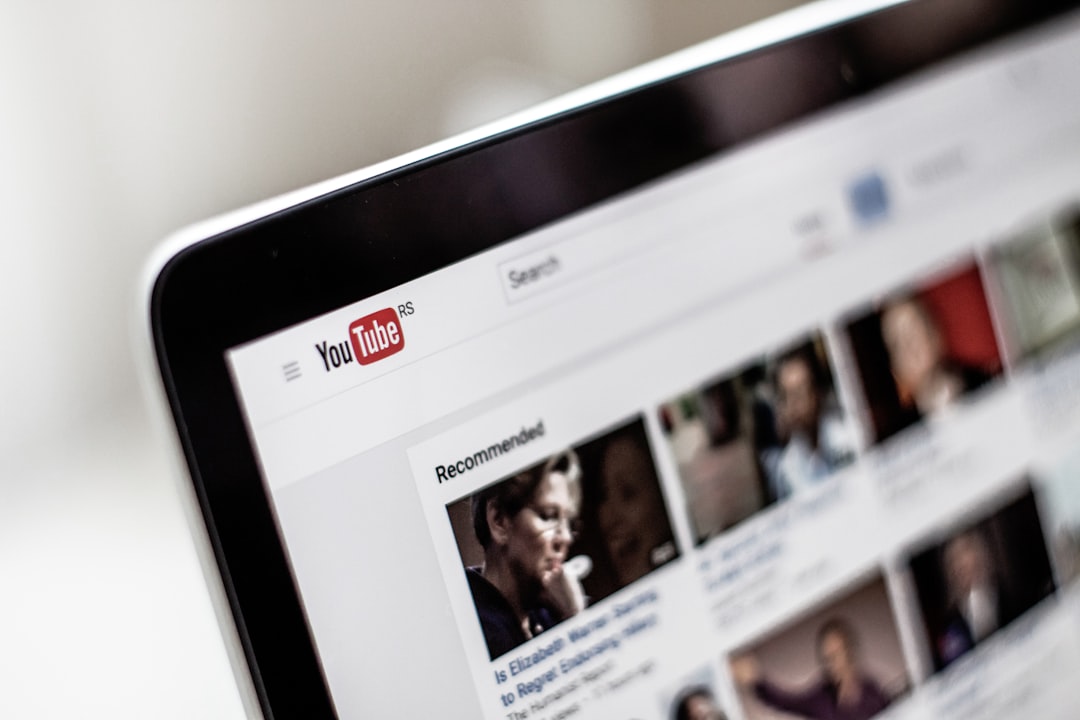
YouTubers are on the front lines of a growing conflict with traditional broadcasters like the BBC, as proposed algorithm changes threaten their visibility and revenue streams. This battle highlights the shifting dynamics of content creation and audience engagement in the digital age.

UK — YouTubers are gearing up for a significant confrontation with traditional broadcasters, particularly the BBC. Proposed changes to social media algorithms, backed by public service broadcasters, aim to enhance the visibility of traditional media content on platforms like YouTube and TikTok. Content creators are concerned that these changes will adversely affect their audience reach and revenue.
Influential figures such as Simon Squibb have voiced their apprehensions, urging followers to oppose government proposals that would prioritize content from the BBC and other broadcasters. These changes pose a threat to the independence and success of YouTubers who have established their brands without the backing of traditional media.
Intensified Competition for Viewers
The competition for viewer attention is more intense than ever. In 2024-25, video-sharing platforms captured 74% of all video time for audiences aged 16-24, with YouTube being the most popular choice. This shift has resulted in a decline in traditional TV viewership, prompting broadcasters to seek new strategies to reclaim their audience.
YouTubers have emerged as key players in this evolving digital landscape, with many channels attracting millions of viewers each month. For instance, the Sorted Food channel, led by Ben Ebbrell, boasts 15 million monthly viewers, making it increasingly challenging for traditional broadcasters to compete.
However, the proposed algorithm changes could disrupt this balance. If the BBC and other traditional broadcasters gain algorithmic advantages, content creators fear they will be relegated in recommendations, leading to a significant decline in viewership and engagement.
Research indicates that this conflict underscores a broader trend in media consumption. Younger audiences are increasingly favoring content from YouTubers over traditional broadcasters. The proposed changes could further alienate this demographic, as broadcasters risk losing the very viewers they aim to attract.
However, the proposed algorithm changes could disrupt this balance.
Challenges to Monetization
You may also like
 Government & Policy
MSMEs Demand Action on Rising Steel and Metal Prices
Rising material costs have been a persistent issue for MSMEs, which are already grappling with higher prices for diesel, furnace oil, and LPG.
Read More →The proposed algorithm changes could severely impact how YouTubers monetize their content. Many creators rely on ad revenue, sponsorships, and merchandise sales to sustain their channels. If traditional broadcasters dominate algorithmic recommendations, YouTubers may experience a drop in ad revenue as their audience diminishes.
Jade Beason, a YouTuber with 310,000 subscribers, argues that traditional broadcasters should focus on creating content that resonates with digital audiences rather than relying on policy changes for visibility. As the landscape evolves, YouTubers may need to adapt their monetization strategies, potentially exploring subscription models or direct fan support through platforms like Patreon.
Moreover, the conflict highlights the necessity for content creators to proactively address algorithm changes. Many are already organizing to voice their concerns and advocate for fair treatment in the digital space, which could lead to a more equitable media landscape where both traditional broadcasters and content creators can thrive.
Transforming Media Production Standards
The clash between YouTubers and traditional broadcasters signifies a broader transformation in media production standards. As digital content gains popularity, traditional media must adapt to new production models that embrace more interactive and engaging formats appealing to younger audiences.
As digital content gains popularity, traditional media must adapt to new production models that embrace more interactive and engaging formats appealing to younger audiences.
Grace Andrews, a content creator involved in the pushback against the proposed changes, asserts that traditional broadcasters need to understand what drives audience engagement today. They must create content that aligns with viewers’ preferences instead of relying on outdated methods.
The rise of YouTube has also altered expectations for content quality, with viewers now anticipating high production values and compelling storytelling. This shift has led many YouTubers to invest in better equipment and production techniques, compelling traditional media to elevate their standards as well.
You may also like
 Government & Policy
SEBI Alerts Investors on Anonymous Tips, Finfluencers
Project Jagrook aims to combat the influence of anonymous financial advisors and so-called "finfluencers," who often provide misleading advice to unsuspecting retail investors.
Read More →However, the proposed algorithm changes could undermine this progress. If traditional broadcasters receive preferential treatment, it may stifle innovation among independent creators, leading to stagnation in content quality as they struggle to compete with established media outlets.
Future Implications for Media Landscape
The ongoing battle between YouTubers and traditional broadcasters carries significant implications for the media landscape. Will traditional media adapt to changing audience preferences, or will they cling to outdated methods? The outcome of this conflict will likely shape the future of content creation and consumption.
As the battle continues, the need for collaboration and understanding between YouTubers and traditional broadcasters becomes increasingly essential. Finding a balance that allows diverse voices and perspectives to thrive will be crucial in navigating this evolving media environment.
As the battle continues, the need for collaboration and understanding between YouTubers and traditional broadcasters becomes increasingly essential.
Frequently Asked Questions
How can YouTubers adapt to competition from the BBC?
YouTubers can adapt by diversifying their content strategies and exploring new monetization methods. Engaging with their audiences and creating unique content will help them stay relevant.
What strategies should media producers consider in light of influencer challenges?
Media producers should focus on understanding audience preferences. Creating content that resonates with digital viewers is key. Embracing new formats and technologies will help them remain relevant.
What impact does the YouTuber vs BBC battle have on content monetization?
This ongoing conflict may lead to a decline in ad revenue for YouTubers if traditional broadcasters gain algorithmic advantages. Creators may need to explore alternative monetization strategies to sustain their channels.
You may also like
 Government & Policy
Pentagon Halts Anthropic AI Use After Blacklisting
The Pentagon has officially ceased using Anthropic's AI tools following the company's blacklisting due to national security concerns. This decision marks a significant shift in…
Read More →