
Zambia is set for a significant economic boost. Its GDP is projected to grow by 6% in 2027, the fastest rate since 2021. This growth will likely attract more foreign investment and change economic strategies in the region.
Analysts and investors are closely watching this situation. They are particularly interested in Zambia’s ongoing economic reforms and the global economic landscape. The implications of this growth are profound, especially for sectors ready to benefit from increased investment.
Key Sectors Expected to Benefit from GDP Growth
The expected GDP growth in Zambia offers big opportunities, especially in agriculture and mining. Agriculture is a key part of Zambia’s economy and employs many people. Career Ahead’s analysis of World Bank data shows that agricultural productivity is rising. This is due to government efforts to modernize farming and improve market access. The World Bank highlights that investments in irrigation and technology are vital for boosting crop yields. This could lead to better food security and more export potential.
Zambia’s rich mineral resources, especially copper, make it a major player in the global mining sector. The mining industry is likely to grow as demand for copper increases. This demand is driven by the global shift to renewable energy and electric vehicles. The government is encouraging foreign investment in mining infrastructure to take advantage of these opportunities. According to Efficacy News, Zambia’s mining sector is already attracting international investors as the country aims to use its mineral wealth for economic growth.
GrowthAfrica’s insights show that business acceleration programs are being launched to help entrepreneurs in these sectors. These programs enhance their ability to attract investment. This focus on building capacity is crucial as Zambia aims to create a resilient economy that can handle external shocks. The government’s support for small and medium-sized enterprises (SMEs) is evident. SMEs are essential for job creation and economic diversification.
GrowthAfrica’s insights show that business acceleration programs are being launched to help entrepreneurs in these sectors.
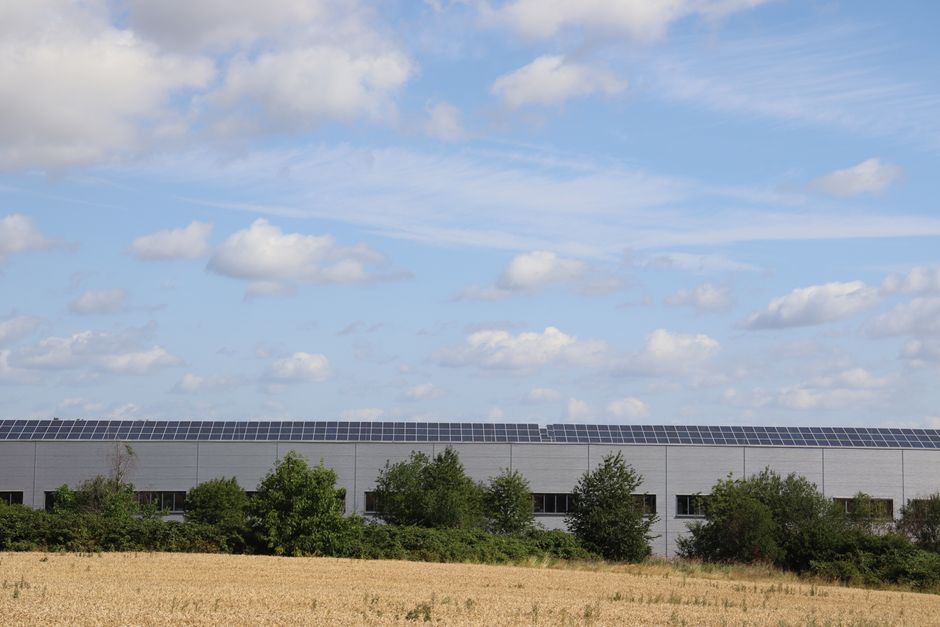
Moreover, the energy sector is transforming. Initiatives aim to increase access to clean energy. This shift supports agricultural productivity and attracts investment in renewable energy projects. As Zambia aims to lead in sustainable energy, foreign investors are likely to take notice. The World Bank emphasizes that improving energy access is key for economic growth. Zambia’s efforts to harness solar and hydroelectric power could play a vital role.
 Industry & Global Trends
Agarwal Says India Can Attract Data Centre Investment
Agarwal cites data-centre construction costs around half the US and Europe level, renewable energy, a 1.5 billion population and coastline.
Read More →Overall, the projected GDP growth will stimulate investment in multiple sectors. This makes Zambia an attractive destination for investors looking to enter emerging markets in Africa.
Economic Policies Driving Growth
Zambia’s government has introduced several economic policies to boost growth and attract foreign investment. These policies include tax incentives for investors, streamlined regulations, and more support for small and medium-sized enterprises (SMEs). Career Ahead’s analysis shows that these measures aim to create a business-friendly environment, which is crucial for sustained economic growth. The government has also prioritized infrastructure development. Improved transportation and logistics are vital for attracting investment.
A key policy is the focus on public-private partnerships (PPPs) for infrastructure development. By working with private investors, the government aims to enhance transportation, energy, and water supply systems. These improvements are essential for economic activities. Better infrastructure facilitates trade and enhances the investment climate. The World Bank supports this approach, noting that effective PPPs can lead to better project outcomes and increased efficiency in public services.
Furthermore, Zambia’s commitment to fiscal discipline and macroeconomic stability has received positive feedback from international financial institutions. This stability is critical for maintaining investor confidence and ensuring sustainable growth. The World Bank reports that Zambia’s efforts to manage debt and improve fiscal management are yielding positive results. These measures have stabilized the economy and created a favorable investment environment.
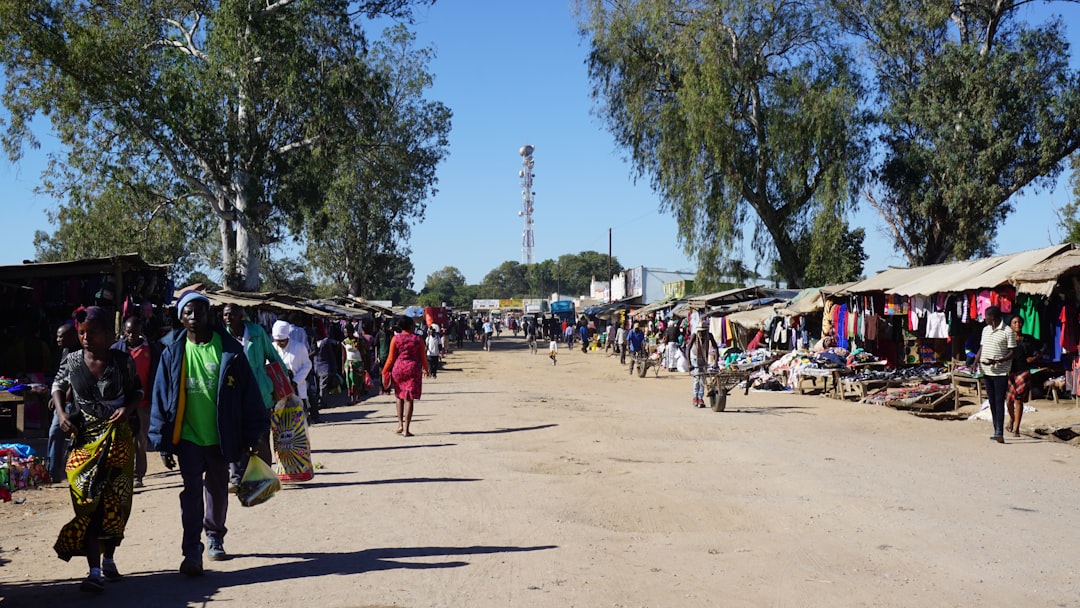
This stability is critical for maintaining investor confidence and ensuring sustainable growth.
As Zambia continues to implement these policies, the focus will be on ensuring that growth is inclusive. The government’s commitment to social programs and poverty reduction will be vital for sustainable development. Analysts note that addressing inequality and ensuring fair access to resources will be crucial for long-term stability and growth.
 Industry & Global Trends
Tech Layoffs Near 196,000 Globally in 2026
Nearly 196,000 tech professionals were laid off globally by late October 2026. May saw about 29,000 jobs eliminated in a single month.
Read More →In summary, Zambia’s economic policies align with the anticipated GDP growth. They create a supportive environment for investment. The combination of favorable policies and sector opportunities positions Zambia as a key player in Sub-Saharan Africa’s economic landscape.
The anticipated GDP growth in Zambia marks a new chapter for economic development in the region. How the government navigates this growth will be critical in shaping Sub-Saharan Africa’s future.
As Zambia’s economy evolves, the focus will be on how effectively the government can implement its policies. The coming years will be crucial in determining whether Zambia can maintain its growth momentum and become a leading investment destination in Africa.
Frequently Asked Questions
What sectors should economic analysts focus on in Zambia’s growth?
Economic analysts should focus on agriculture and mining. These sectors are expected to benefit significantly from Zambia’s projected GDP growth. The government’s initiatives to modernize agriculture and enhance mining infrastructure will create new investment opportunities.
Analysts should monitor how this growth impacts trade partnerships and investment flows in the region.
How will Zambia’s GDP growth affect investment strategies in Sub-Saharan Africa?
Zambia’s GDP growth is likely to attract more foreign investment. This will influence investment strategies across Sub-Saharan Africa. Analysts should monitor how this growth impacts trade partnerships and investment flows in the region.

What should investment banks consider when analyzing Zambia’s economic policies?
Investment banks should evaluate Zambia’s fiscal discipline and macroeconomic stability. These factors will determine investor confidence. Understanding the government’s focus on public-private partnerships will also be crucial for assessing future investment opportunities.
 Industry & Global Trends
GIFT City Funds: Minimums, Tax and Returns Compared
GIFT City funds use a separate regulatory framework and offer investment options with different minimums, tax treatment and performance.
Read More →Written by Career Ahead AI. AI can make mistakes, so verify key facts. Report errors to support@careeraheadonline.com.