No products in the cart.

Zoox clears final federal hurdle to launch paid robotaxi service
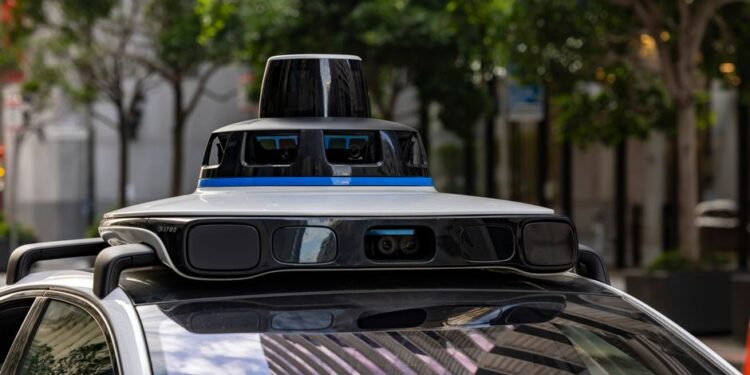
Zoox's vehicles, which lack traditional controls such as steering wheels and pedals, received exemptions for eight federal motor vehicle standards, allowing the company to launch its paid robotaxi service.

United States — Zoox, the Amazon-owned autonomous vehicle company, has passed a key regulatory hurdle. This allows it to launch its paid robotaxi service. The National Highway Traffic Safety Administration (NHTSA) granted a temporary exemption from some federal motor vehicle safety standards. This lets Zoox charge customers for rides in its custom-built robotaxi. The decision, announced on July 30, 2026, is a major step for autonomous mobility.
Zoox’s vehicles do not have traditional controls like steering wheels and pedals. They received exemptions for eight federal motor vehicle standards. These include requirements for windshield defrosting and light vehicle braking systems. Previously, Zoox could demonstrate its robotaxis on public roads and offer free rides in cities like San Francisco and Las Vegas. Now, it can finally charge for these rides.
Zoox plans to start its paid service in Las Vegas. It aims to expand to more markets as it meets state-level requirements for commercialization. Aicha Evans, CEO of Zoox, called this approval a milestone for the company and the future of autonomous ride-hailing. The NHTSA’s decision shows a trend toward embracing innovative transportation solutions while ensuring safety.
Advancements in Robotics Technology for Public Transportation
The approval of Zoox’s robotaxi service is a win for the company and a big step for robotics in public transportation. Career Ahead’s analysis shows that this development highlights the growing connection between robotics engineering and regulatory compliance. As autonomous vehicles become more common, engineers must integrate safety standards into their designs from the start.
Career Ahead’s analysis shows that this development highlights the growing connection between robotics engineering and regulatory compliance.
You may also like
 AI & Technology
AI Interviewing Transforms Future Hiring Landscape
HackerRank's AI interviewer, Chakra, is transforming recruitment by streamlining the hiring process and emphasizing critical thinking and problem-solving skills in candidates.
Read More →The exemption granted to Zoox suggests that future autonomous vehicle designs must focus on compliance with changing regulations while keeping innovative features. This balancing act will require robotics engineers to understand both technical and regulatory aspects of vehicle design. As the industry advances, engineers will need to work closely with regulatory bodies to ensure their innovations meet safety standards.
Moreover, the technology behind Zoox’s robotaxi showcases advancements in artificial intelligence and machine learning. These technologies allow vehicles to navigate complex urban environments without human help. This not only improves public transport efficiency but also opens new possibilities for urban mobility solutions. Reports from TechCrunch state that Zoox’s vehicles are designed to operate fully autonomously, which could change how cities manage transportation logistics and urban planning.
What Changed Quickly
As Zoox begins charging for rides, the impact on job creation in the autonomous vehicle industry will become clear. There will be a growing demand for skilled robotics engineers, AI specialists, and regulatory compliance experts. Companies will look for professionals who can navigate the complexities of technology and regulations. This will create new job opportunities in the field. Wired notes that the intersection of technology and regulation will require a workforce skilled in both areas to drive innovation while ensuring public safety.
Impact on Regulatory Frameworks for Autonomous Vehicles
The approval of Zoox’s paid robotaxi service also indicates a shift in regulatory frameworks for autonomous vehicles. The NHTSA’s decision to grant exemptions shows a willingness to adapt existing regulations to support new technologies. This could encourage other companies in the autonomous vehicle sector to follow suit, leading to a more competitive market.
Such a framework could serve as a model for other countries aiming to regulate autonomous vehicles effectively.
Furthermore, the NHTSA’s enhanced oversight for Zoox reflects a proactive approach to regulation. This adaptable oversight can change as technology evolves, ensuring safety remains a priority while promoting innovation. Such a framework could serve as a model for other countries aiming to regulate autonomous vehicles effectively. A report by Reuters emphasizes that this regulatory flexibility is vital for creating an environment where autonomous technologies can thrive without compromising safety.
You may also like
 AI & Technology
Higher education reallocates capital to digital platforms
The analysis that follows dissects the mechanisms, systemic implications, and stakeholder outcomes.
Read More →Career Ahead’s analysis finds that as the regulatory landscape changes, robotics engineers must stay informed about new legislation and compliance needs. This knowledge will be crucial for designing vehicles that meet safety standards and push the limits of autonomous technology. The implications extend beyond Zoox; they show a broader trend in how governments and regulatory bodies view autonomous vehicles. As more companies enter the market, clear and supportive regulatory frameworks will become increasingly important. This could lead to a wave of innovation in transportation, with significant effects for engineers and regulators alike.
In summary, the launch of Zoox’s paid robotaxi service is a landmark event. It highlights the merging of robotics engineering and regulatory compliance. As the industry evolves, professionals in these fields must adapt to the changing landscape. They need to ensure that innovation aligns with safety and compliance. The success of Zoox’s service may influence how other autonomous vehicle companies approach regulation and compliance. Will we see more lenient regulatory frameworks that encourage innovation, or will safety concerns lead to stricter regulations? The answers to these questions will shape the future of autonomous transportation.
Frequently Asked Questions
What are the safety regulations for autonomous vehicles?
Career Ahead’s analysis shows that safety regulations for autonomous vehicles are changing, as seen with Zoox’s recent exemptions. These regulations aim to ensure that autonomous vehicles operate safely in public spaces while allowing for technological innovation.
Skills in AI, machine learning, and safety compliance will be essential as the industry continues to evolve.
How will Zoox’s service affect the job market for robotics engineers?
Career Ahead research finds that Zoox’s paid robotaxi service will likely create new job opportunities for robotics engineers. This is especially true for those skilled in compliance and safety standards. As the industry grows, demand for specialized skills will increase.
What skills do robotics engineers need to work in autonomous vehicle projects?
Robotics engineers working on autonomous vehicle projects need a strong understanding of robotics technology and regulatory frameworks. Skills in AI, machine learning, and safety compliance will be essential as the industry continues to evolve.
You may also like
 AI & Technology
OpenAI in Talks With UAE Funds, BlackRock for $30 Billion Round
OpenAI is negotiating a $30 billion funding round with BlackRock and UAE funds, which could reshape the AI startup ecosystem and attract significant investments in…
Read More →