A structured 90‑day plan converts execution credibility into strategic influence, positioning high‑performers for accelerated promotion. The framework aligns learning, relationship building, and impact delivery with the institutional criteria that determine career capital.
The urgency stems from a systemic shift: organizations increasingly reward demonstrable strategic contribution over isolated task excellence. As firms tighten talent pipelines, the first three months become a decisive arena for signaling leadership potential. This analysis dissects the mechanisms that translate early‑stage performance into promotion‑ready capital, exposing the institutional levers that reshape mobility and power dynamics.
Promotions now hinge on strategic positioning, not just performance
High performance alone no longer guarantees upward movement; instead, promotion committees prioritize visible alignment with future‑role expectations. The trust earned from flawless execution often cages talent in “reliable hands” roles, limiting exposure to decision‑making forums. By the end of the first month, employees who map their deliverables to the organization’s strategic objectives begin to accrue the kind of career capital that institutional gatekeepers value. This reframing of merit signals a broader re‑weighting of influence within hierarchical structures.
The 90‑day plan operationalizes influence through three phased milestones
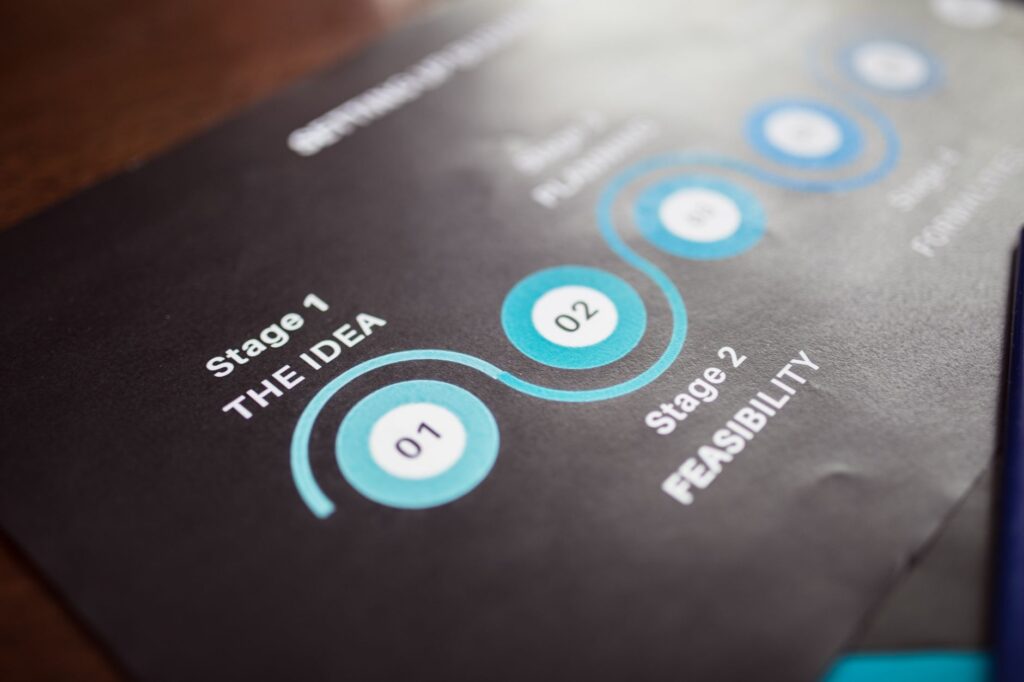
According to Career Ahead’s analysis of the 90‑day framework, the plan divides into learning (days 1‑30), relationship building (days 31‑60), and impact delivery (days 61‑90).
According to Career Ahead’s analysis of the 90‑day framework, the plan divides into learning (days 1‑30), relationship building (days 31‑60), and impact delivery (days 61‑90). In the learning phase, employees master systems, data flows, and the firm’s value‑creation logic, establishing a knowledge base that underpins credibility. The second phase expands networks across functional borders, securing sponsorship from senior leaders who control promotion pathways. The final phase translates insights into measurable outcomes that directly map to the criteria outlined in formal promotion rubrics.
Trust becomes a trap when it confines high performers to execution without strategic influence.
Slack has launched vibe-coding, a new feature that allows users to create interactive reports and charts within chat conversations, enhancing collaboration and productivity.
Embedding the 90‑day blueprint into onboarding protocols redistributes power from informal patronage to transparent, data‑driven criteria. Promotion pipelines become less opaque, allowing a measurable share of employees to leverage early‑stage capital for advancement. This reduces the reliance on ad‑hoc championing, thereby enhancing economic mobility for talent that may lack pre‑existing networks. At the same time, senior managers must adjust evaluation lenses, shifting from “who gets things done” to “who can align execution with future strategy.”
Human capital impact: winners, adapters, and the new leadership mandate
Mid‑level professionals who adopt the 90‑day plan gain a replicable pathway to senior roles, converting operational trust into strategic sponsorship. Conversely, employees who remain in execution silos risk stagnation despite high output. HR functions are compelled to redesign performance dashboards, integrating relationship‑building metrics and strategic outcome indicators. Leadership development programs now embed the three‑phase cadence, ensuring that emerging leaders internalize the promotion‑centric mindset from day one.
Leadership development programs now embed the three‑phase cadence, ensuring that emerging leaders internalize the promotion‑centric mindset from day one.
Outlook: institutionalization of the 90‑day model over the next three years
By 2029, a measurable share of Fortune 500 firms are expected to formalize the 90‑day promotion blueprint within their talent‑management suites, linking it to AI‑driven performance analytics. This institutionalization will create a feedback loop: data‑rich early impact reports inform succession planning, while transparent criteria accelerate cross‑functional mobility. As the model matures, the asymmetry between execution talent and strategic visibility will narrow, redefining the primary source of career capital across sectors.
The evolving emphasis on strategic early‑stage influence underscores why the 90‑day plan has become a decisive lever for promotion, aligning individual ambition with the structural imperatives of modern organizations.
Key Structural Insights
[Insight 1]: Trust that confines high performers to execution creates a promotion barrier; the 90‑day plan converts that trust into strategic influence.
Anthropic's report reveals alarming details about large-scale distillation campaigns by AI companies like Alibaba and Moonshot AI, highlighting the competitive pressures and security risks in…
[Insight 2]: Institutionalizing a three‑phase 90‑day framework standardizes promotion criteria, expanding economic mobility for talent lacking legacy networks.
[Insight 2]: Institutionalizing a three‑phase 90‑day framework standardizes promotion criteria, expanding economic mobility for talent lacking legacy networks.
[Insight 3]: Over the next three years, AI‑augmented performance dashboards will embed the 90‑day model, tightening the link between early impact and senior‑role readiness.



 AI & Technology
AI & Technology