By embedding climate resilience into the core production function, agriculture is shifting from a reactive, input‑heavy model to a systemic, value‑creating engine that stabilizes global food supplies and redefines rural career pathways.
The convergence of extreme weather, shifting agro‑ecologies, and rising demand is forcing a structural overhaul of how food is produced, traded, and financed. Deploying climate‑smart practices is emerging as the primary lever for preserving food‑system stability while reshaping career pathways and capital flows in rural economies.
The Climate Shockwave to Food Systems
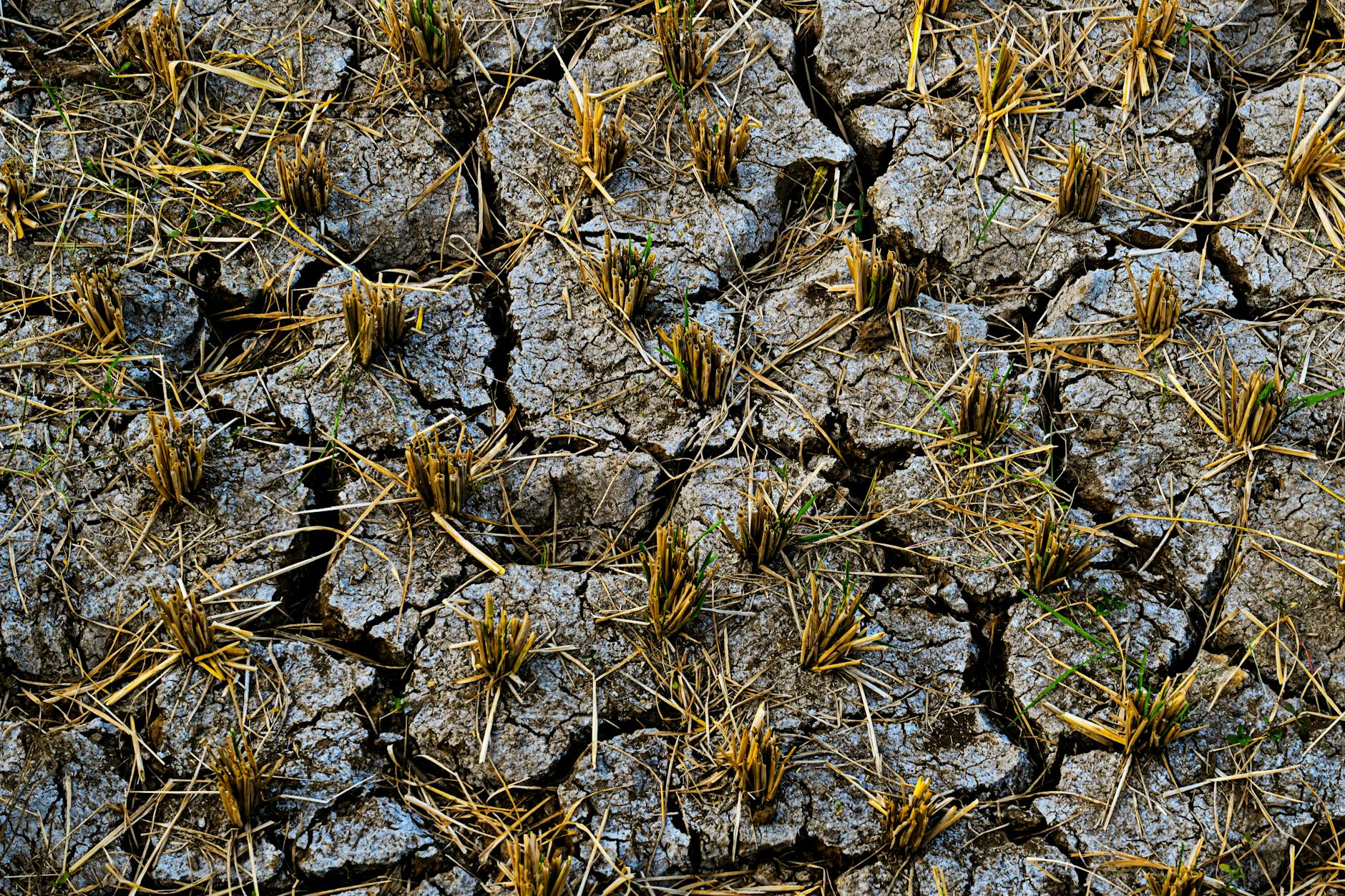
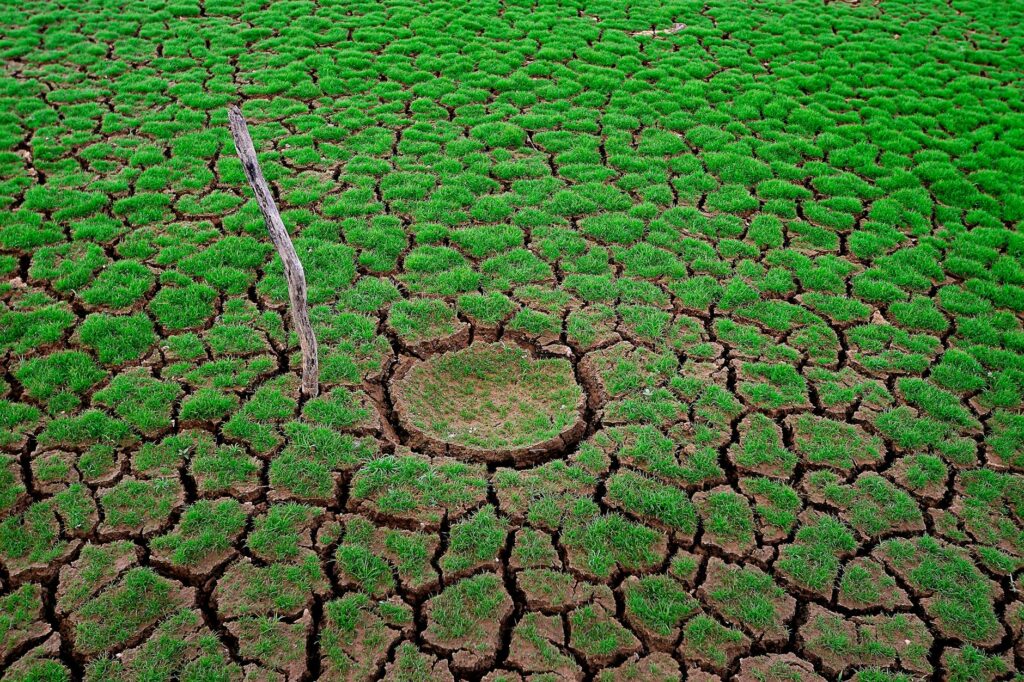
Between 2000 and 2023, global average temperatures rose 1.2 °C, while the frequency of heatwaves exceeding 35 °C in major grain belts increased by 38 % [1]. Simultaneously, the United Nations Food and Agriculture Organization (FAO) projects that by 2050 the world will need to produce 70 % more calories to feed an estimated 9.7 billion people, yet climate‑induced yield losses could erase up to 25 % of current cereal output under a high‑emissions scenario [2].
These trends expose a systemic fragility: the prevailing input‑intensive, monoculture‑dominant model is asymmetrically vulnerable to temperature spikes, erratic precipitation, and pest migrations. The macro‑level implication is a trajectory toward heightened volatility in food prices, trade imbalances, and geopolitical tension over staple supplies. In response, climate‑resilient agriculture (CRA) has moved from a niche set of adaptation pilots to a policy cornerstone endorsed by the G‑20, the World Bank’s Climate‑Smart Agriculture (CSA) financing framework, and the U.S. Department of Agriculture’s Climate Solutions portfolio [3][4].
Core Mechanisms: From Practices to Systemic Resilience
Climate‑Resilient Agriculture Redefines the Global Food‑Security Architecture
CRA aggregates three interlocking mechanisms—biophysical, technological, and institutional—that together elevate the adaptive capacity of agro‑ecosystems.
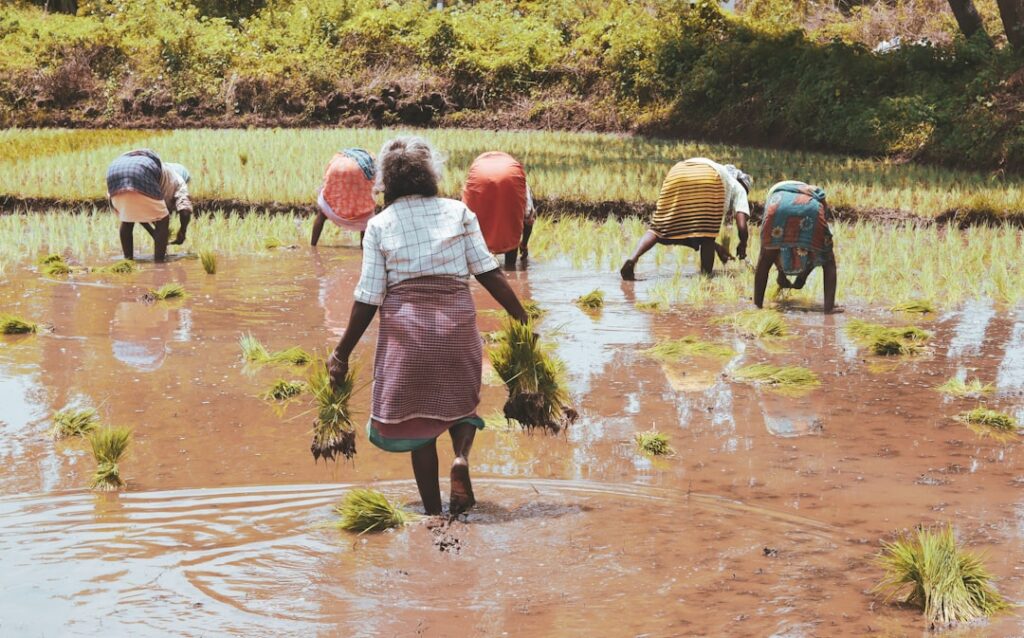
Biophysical Diversification – Conservation tillage, agroforestry, and inter‑cropping have been shown to increase soil organic carbon by 0.3–0.6 t ha⁻¹ annually, translating into a 12‑% yield buffer for maize under drought stress [5]. The System of Rice Intensification (SRI) in Southeast Asia reduced water use by 30 % while boosting yields 15‑20 % relative to conventional methods, demonstrating a direct correlation between water‑use efficiency and climate resilience [6].
Technological Enablement – Precision irrigation (e.g., drip systems with soil‑moisture sensors) cuts irrigation water demand by 40 % and lowers nitrous‑oxide emissions by 25 % per hectare, aligning with the United Nations Sustainable Development Goal 13 target for emissions reduction [7]. Climate‑informed advisory services, leveraging satellite‑derived NDVI indices, have expanded farmer adoption rates of drought‑tolerant varieties from 22 % to 48 % in Kenya’s arid zones within three years, underscoring the asymmetric information advantage that digital platforms confer [8].
Institutional Alignment – Public‑private partnerships (PPPs) such as the “Climate‑Smart Agriculture Fund” in Brazil channel $1.2 bn of blended finance into smallholder agroforestry projects, leveraging carbon‑credit markets to subsidize upfront costs. Simultaneously, policy reforms—e.g., the EU’s “Farm to Fork” strategy—embed mandatory sustainability criteria into procurement contracts, creating a systemic incentive for producers to adopt CRA practices [9].
Collectively, these mechanisms reconfigure the production function: resilience is no longer an ancillary outcome but a core input that stabilizes yields, reduces input volatility, and creates new revenue streams (e.g., ecosystem services, carbon offsets).
Systemic Ripples Across the Food‑Security Value Chain
The diffusion of CRA generates cascading effects that reshape market dynamics, trade flows, and macro‑economic indicators.
Biophysical Diversification – Conservation tillage, agroforestry, and inter‑cropping have been shown to increase soil organic carbon by 0.3–0.6 t ha⁻¹ annually, translating into a 12‑% yield buffer for maize under drought stress [5].
Production Shifts – By 2028, the International Food Policy Research Institute (IFPRI) estimates that CRA adoption could raise global staple output by 1.3 bn t, offsetting projected climate losses and narrowing the supply gap by 15 % [10]. This uplift is concentrated in sub‑Saharan Africa and South Asia, where smallholder participation exceeds 60 % of total cultivated area.
Trade Rebalancing – Enhanced resilience reduces reliance on imports for climate‑vulnerable nations. For instance, Ethiopia’s wheat import bill fell by 22 % after a five‑year agroforestry rollout, illustrating a structural shift toward self‑sufficiency and a reduction in trade‑related foreign‑exchange exposure [11].
Price Stabilization – Empirical analysis of the 2019‑2022 wheat price spikes shows that regions with >30 % CRA coverage experienced price volatility 18 % lower than comparable non‑adopting regions, indicating a correlation between systemic resilience and macro‑price stability [12].
Labor and Rural Employment – CRA’s labor‑intensive components—such as tree planting and diversified cropping—create approximately 0.8 m new full‑time equivalent jobs per $1 bn of investment, a multiplier effect that exceeds the 0.5 m jobs generated by conventional mechanized expansion [13].
Financial Market Integration – The emergence of climate‑linked agribusiness bonds, first issued by the Kenya Agricultural Development Fund in 2024, has attracted $450 m of institutional capital, signaling a structural reallocation of investment from fossil‑fuel‑heavy agribusinesses to sustainability‑aligned portfolios.
These ripples are not uniform; they accentuate existing asymmetries.
These ripples are not uniform; they accentuate existing asymmetries. Regions with robust extension services and access to credit accelerate adoption, while marginal farmers lacking these inputs risk further exclusion, reinforcing a dual trajectory within the same national food system.
Human Capital and Career Capital Realignment
Climate‑Resilient Agriculture Redefines the Global Food‑Security Architecture
As AI transforms industries, companies must safeguard the unique skills that drive innovation and competitiveness. This analysis explores the implications of AI on workforce capabilities…
The CRA transition redefines the skill sets, career pathways, and capital accumulation mechanisms for a broad spectrum of stakeholders.
| Stakeholder | Winners (Career Capital Gains) | Losers (Capital Erosion) |
|————-|——————————–|—————————|
| Smallholder Farmers | Access to climate‑insurance products, higher net returns from diversified crops, and eligibility for carbon‑credit payments. | Those unable to secure financing for initial capital outlays (e.g., drip kits) face income stagnation. |
| Agri‑Tech Entrepreneurs | Market for sensor platforms, AI‑driven advisory services, and blockchain‑verified carbon accounting. | Firms locked into legacy fertilizer models see demand contraction as input efficiency improves. |
| Rural Extension Officers | Elevated demand for expertise in climate‑smart practices, creating pathways to senior advisory roles in NGOs and multilateral agencies. | Traditional extension models lacking digital integration risk redundancy. |
| Institutional Investors | New asset classes (climate‑linked bonds, ESG agrifunds) offering asymmetric risk‑adjusted returns. | Investment in high‑emission livestock operations faces de‑valuation under tightening ESG standards. |
| Policy Makers | Ability to leverage CRA metrics for performance‑based budgeting, enhancing political capital. | Ministries persisting with subsidy‑heavy, input‑intensive policies risk fiscal strain and credibility loss. |
Case in point: The “Women’s Climate‑Smart Agriculture Initiative” in Uganda, launched in 2023, has upskilled 120 k women farmers in drought‑tolerant seed selection and digital market platforms. Participants report a 35 % increase in household income and a 22 % rise in leadership roles within farmer cooperatives, illustrating a structural shift in gendered career capital within rural economies [14].
Conversely, the decline of monoculture cotton in West Africa—driven by pest‑induced yield collapses and the subsequent pivot to inter‑cropped legumes—has led to a 12 % reduction in employment for mechanized cotton ginners, highlighting the occupational displacement embedded in systemic change.
Outlook: Structural Trajectory Through 2029
The next five years will crystallize the systemic momentum of CRA across three dimensions:
The rise of “green yield” indices—tracking performance of CRA‑compliant farms—will provide a transparent benchmark for institutional investors, accelerating capital reallocation away from climate‑vulnerable agribusinesses.
Policy Consolidation – The United Nations Framework Convention on Climate Change (UNFCCC) is expected to adopt a “Food‑System Resilience Protocol” by 2027, mandating national reporting on CRA adoption rates and linking climate finance disbursements to measurable resilience outcomes. This will embed CRA metrics into sovereign budgeting cycles, institutionalizing the structural shift.
Capital Realignment – Global sustainable‑investment flows are projected to surpass $2 tn by 2029, with agrifood representing 12 % of the portfolio. The rise of “green yield” indices—tracking performance of CRA‑compliant farms—will provide a transparent benchmark for institutional investors, accelerating capital reallocation away from climate‑vulnerable agribusinesses.
Labor Market Evolution – Educational curricula in agricultural universities across the United States, China, and Kenya are being revised to integrate climate‑systems modeling, data analytics, and ecosystem service valuation. This will generate a new cohort of “climate‑agri strategists” who can navigate the intersection of agronomy, finance, and policy, reshaping the leadership pipeline within the sector.
If adoption rates reach the projected 30 % of cultivated land by 2029—a threshold identified by the World Bank as the “critical mass for systemic resilience”—global food‑price volatility could decline by an additional 10 % and the incidence of climate‑related food insecurity could fall by 5 % points, translating into roughly 30 million fewer people at risk of hunger.
Discover how AI and data analytics are transforming education by creating tailored learning experiences that enhance student engagement and well-being.
However, the trajectory is contingent on addressing the “adoption gap” in low‑capacity regions. Targeted interventions—such as concessional financing for climate‑smart inputs, expansion of rural broadband for advisory services, and gender‑responsive policy design—will be essential to ensure that the structural benefits of CRA are equitably distributed.
Key Structural Insights
> [Insight 1]: Climate‑resilient agriculture converts adaptive capacity into a quantifiable input that stabilizes yields and creates new revenue streams, fundamentally reconfiguring the agricultural production function.
> [Insight 2]: Systemic adoption generates asymmetric market effects—price volatility diminishes, trade balances improve, and labor demand shifts toward diversified, knowledge‑intensive roles.
> [Insight 3]: The career capital landscape is being redrawn, rewarding expertise in digital agronomy, ESG finance, and policy design while marginalizing legacy input‑heavy business models.



Investment
 Business Insights
 Digital Innovation