No products in the cart.

AI Supply Chain Faces Energy Bottleneck
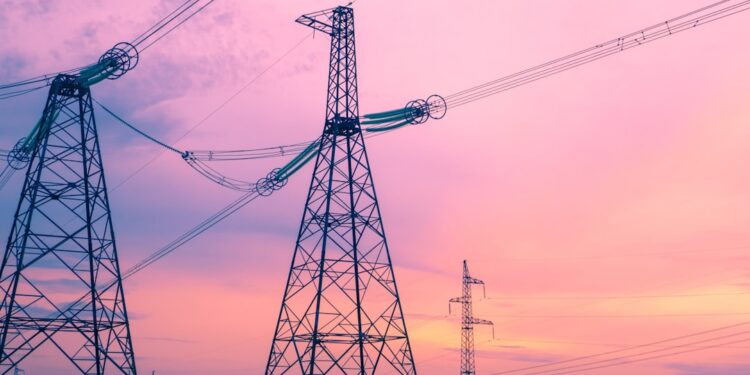
As AI demand surges, energy supply constraints pose significant challenges. This article explores the implications for businesses and society, emphasizing the need for strategic energy planning.

Energy Supply: A Critical Challenge for AI
The rapid growth of artificial intelligence (AI) is encountering a significant hurdle: energy supply constraints. As demand for AI capabilities surges, the infrastructure needed to support this growth is faltering. A recent analysis by the largest grid operator in the U.S. revealed a historic shortfall in electricity supply, primarily driven by the burgeoning energy needs of data centers that support AI applications.
This situation underscores a pivotal shift for businesses engaged in AI development. It is no longer solely about advancing algorithms or enhancing computational power; the underlying energy infrastructure has become a fundamental constraint. Without addressing these energy supply issues, the promise of AI could be severely limited.
Infrastructure Development vs. AI Innovation
The crux of the issue lies in the disconnect between the rapid pace of AI innovation and the slow-moving nature of energy infrastructure development. While AI technologies can be deployed in months, the power plants and transmission lines necessary to sustain them require years, if not decades, to build. This disparity creates a bottleneck that could stifle growth in the AI sector.
As noted by Wharton’s Santiago Gallino, failing to secure adequate energy infrastructure is not merely an operational oversight; it is a strategic misstep. Companies that neglect to plan for their energy needs risk falling behind competitors who have already secured power purchase agreements and necessary infrastructure. This strategic foresight is crucial for any entity wishing to thrive in the AI landscape.
AI Innovation The crux of the issue lies in the disconnect between the rapid pace of AI innovation and the slow-moving nature of energy infrastructure development.
Broader Supply Chain Dynamics
The supply chain for AI is often misconceived as revolving solely around chips and software. In reality, it encompasses a broader spectrum that includes critical energy infrastructure. Specialized manufacturers producing essential components for energy generation and distribution are now pivotal players in the AI supply chain.
You may also like
 Career Guidance
Remote‑Work Regulation in a Borderless Era: How Nations Are Reshaping Institutional Power and Career Capital
National approaches to remote‑work regulation are crystallizing into a new institutional order that will determine how career capital flows across borders, with tax harmonization and…
Read More →For example, the production of large power transformers and gas turbines has long lead times, often stretching into several years. This delay poses a significant risk for companies that wait until demand peaks to secure these resources. The lessons from past supply chain disruptions, such as those experienced during the COVID-19 pandemic, are clear: reliance on just-in-time inventory models can lead to catastrophic failures when unexpected demand surges occur.
Ethical Considerations and Regulatory Responses
The energy crisis related to AI development has sparked important discussions among stakeholders. Proponents argue that AI can drive efficiencies across various sectors, potentially leading to reduced energy consumption in the long run. They contend that AI can optimize energy use, making it a net positive for society.

Conversely, critics highlight the immediate energy demands of AI applications, particularly in data centers, which can detrimentally impact essential services. As electricity allocation becomes a societal choice, prioritizing AI infrastructure over hospitals and residential areas raises ethical questions about resource distribution.
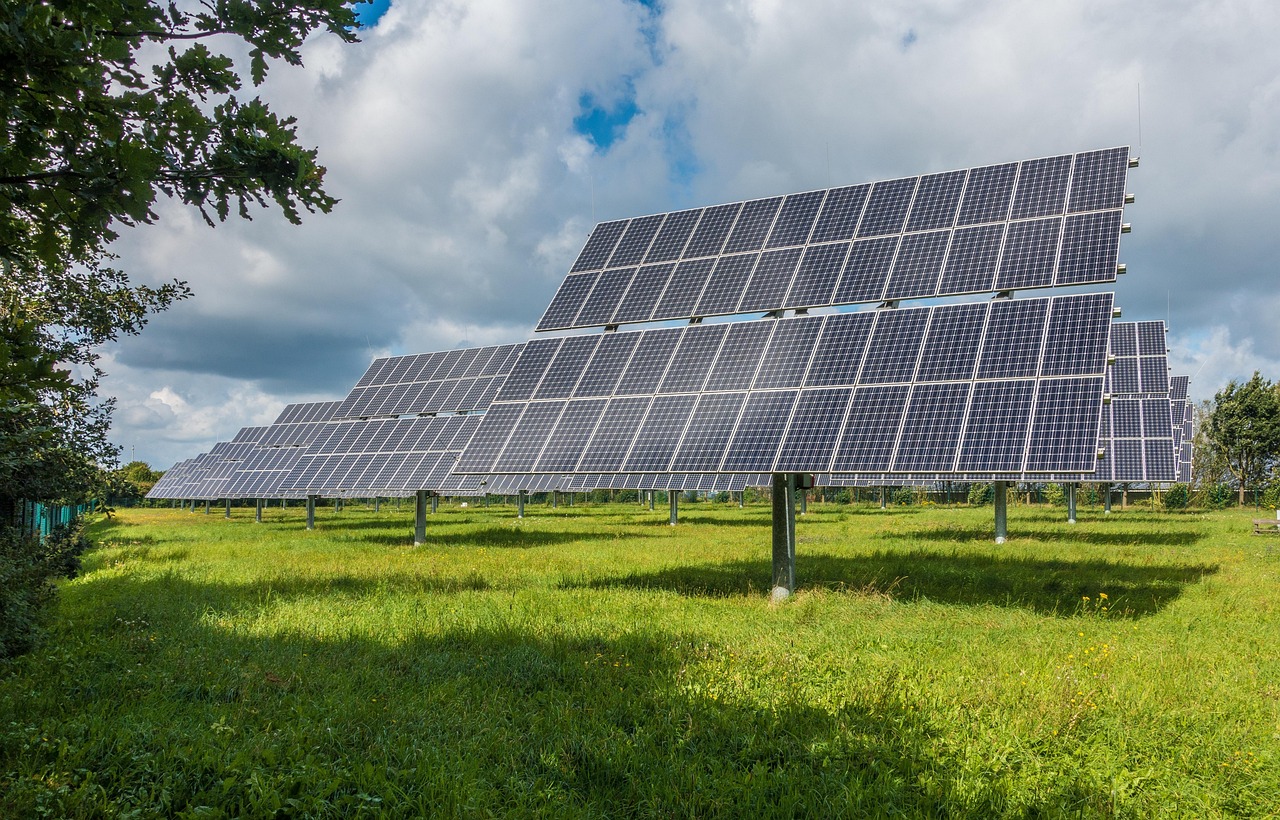
This debate is compounded by regulatory responses. For instance, PJM Interconnection has implemented reforms requiring data centers to curtail power usage during emergencies, prioritizing residential customers first. This regulatory shift indicates a growing recognition of the societal implications of energy allocation and the need for a balanced approach to AI development.
Ethical Considerations and Regulatory Responses The energy crisis related to AI development has sparked important discussions among stakeholders.
Strategic Planning for the Future
The future of AI development hinges on the ability to reconcile the demands of innovation with the realities of energy supply. As the global community increasingly recognizes the importance of sustainable energy practices, businesses must adapt their strategies accordingly. This involves not only securing energy resources but also investing in renewable energy solutions that can support long-term growth.
You may also like
 Career Guidance
How Healthcare Careers Are Shaping Professional Paths in 2025
Discover how the evolving landscape of healthcare careers, especially in mental health, is shaping professional opportunities in 2025.
Read More →Moreover, ongoing developments in energy infrastructure will likely shape the competitive landscape of AI. Companies that proactively address their energy needs and invest in sustainable practices will be better positioned to thrive. Collaboration between tech companies, energy providers, and regulators will be essential to create a more resilient energy framework that supports the ongoing evolution of AI while ensuring that essential services are not compromised.