No products in the cart.

YouTube Expands AI Deepfake Detection for All Users
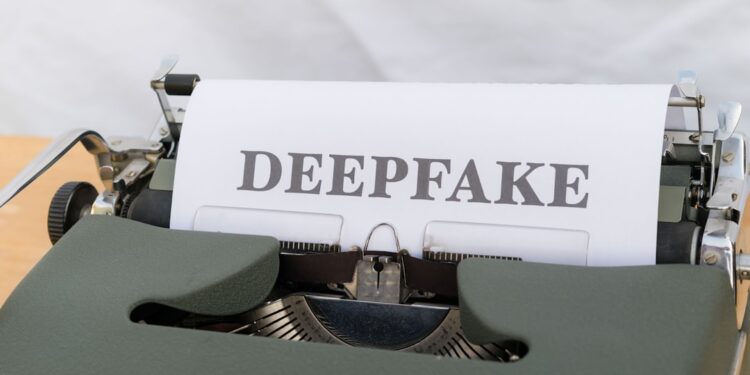
YouTube's new AI tool for deepfake detection offers protection to all adult users. This expansion raises critical discussions on privacy, technology, and user rights.

Expanding User Protection Against Deepfakes
YouTube is enhancing its efforts to combat deepfakes by expanding its AI deepfake detection tool to all adult users. This initiative aims to protect individuals from unauthorized use of their likeness in videos, a timely move as deepfake technology becomes increasingly sophisticated.
The feature allows users to scan their faces and monitor YouTube for potential lookalikes. If a match is found, users receive an alert and can request the removal of the content. This proactive approach underscores YouTube’s commitment to user safety and privacy.
Initially tested with content creators, the feature was later expanded to government officials and journalists. Now, all adult users can benefit from this technology, reflecting a growing recognition of the risks associated with deepfake content.
User Rights in the Age of AI
The introduction of this tool raises significant questions about user rights in the digital landscape. As AI technology evolves, so do the challenges of protecting individual identities online. The ability to create realistic deepfakes poses risks for misinformation and personal privacy.
Many users may not realize that their likeness can be used without consent, leading to reputational damage or identity theft. YouTube’s initiative aims to empower users by giving them control over their likeness online, addressing increasing concerns from users and creators alike.
User Rights in the Age of AI The introduction of this tool raises significant questions about user rights in the digital landscape.
Technology Behind Detection
The technology behind YouTube’s deepfake detection tool relies on advanced AI algorithms that analyze video content for signs of manipulation, comparing it against known user likenesses. This process involves significant data processing to ensure accuracy.
As the use of AI in media grows, so does the need for effective detection methods. YouTube’s approach combines biometric data with machine learning to identify potential deepfakes, enhancing security and setting a precedent for other platforms.
However, reliance on AI for such sensitive tasks raises ethical questions. Critics argue that the technology may not always be accurate, leading to false positives or negatives, which could cause undue stress for users whose likenesses are flagged incorrectly.

Balancing Protection and Creative Expression
Despite the benefits of the deepfake detection tool, there are ongoing debates about its implications. Some experts argue that while the tool offers protection, it may also infringe on creative expression. Artists and creators might feel restricted if their work is flagged as a deepfake, even when it is not.
You may also like
 AI & Technology
Wearables, Algorithms, and the New Economics of Athletic Longevity
Escalating Injury Burden in Professional Sports In the past decade, major North American leagues have reported a net rise in musculoskeletal time-loss injuries …
Read More →The balance between user safety and artistic freedom remains a contentious issue. The technology could potentially be misused to suppress legitimate content under the guise of protecting user likenesses. This tension between protection and censorship is a critical point of discussion among stakeholders.
Artists and creators might feel restricted if their work is flagged as a deepfake, even when it is not.

The Future of AI in Media
The future of AI in media is bright yet complex. As more platforms adopt similar technologies, the landscape of digital content will continue to evolve. YouTube’s deepfake detection tool could set a standard for other companies, promoting user safety across the board.
However, as AI technology advances, so too will the methods used to create deepfakes. This ongoing arms race between creators of deepfake content and detection technologies will require constant innovation. Companies must stay ahead of the curve to protect their users effectively.
Additionally, the ethical implications of AI in media will remain a focal point. Discussions around privacy, consent, and user rights will need to evolve alongside technological advancements, ensuring a balance between innovation and ethical responsibility.