No products in the cart.

The Rise of Self-Driving Semi Trucks: Transforming the $900 Billion Industry
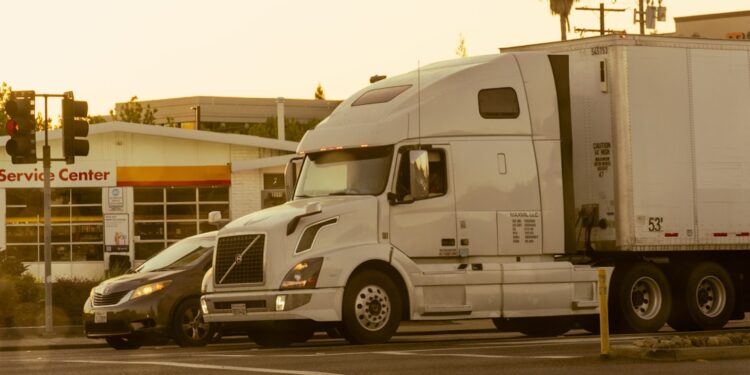
Explore how autonomous semi-trucks will revolutionize the trucking industry, cutting costs, enhancing safety, and creating new job opportunities.



“`html
The driverless Revolution: A $900 Billion Industry at the Brink
By 2027, fully autonomous semi-trucks will be on U.S. highways. Three companies—Aurora, Kodiak, and Waabi—plan to deploy driverless trucks in the next two years. Aurora aims to grow from a few prototypes to over 200 operational trucks by 2027, making it the first large autonomous fleet in the country.
The economic impact is huge. Trucking accounts for about 90% of freight tonnage in the U.S., supporting a $900 billion industry that transports everything from food to machinery. Labor is a major cost, with driver salaries consuming up to 40% of per-mile expenses, averaging around $70,000 annually. Removing drivers could significantly lower these costs.
Technology has also advanced. Lidar, high-definition mapping, and advanced perception systems allow trucks to stay in lanes, merge, and react to road conditions without human drivers. Texas has become a testing ground for these systems, hosting live demonstrations that attract both investors and skeptics.
Cost-Cutting Innovations: How Automation Will Reshape Logistics
Labor Savings and Margin Expansion
The most immediate benefit of driverless trucks is reduced labor costs. With an average driver salary of $70,000, a fleet of 200 autonomous trucks could save up to $14 million in payroll each year. This could lead to a projected 40% reduction in per-mile costs, allowing companies to invest in fuel efficiency measures like aerodynamic designs and electric powertrains.
Fuel Efficiency and Utilization Gains
Autonomous trucks can maintain optimal speeds and reduce idle time, improving fuel efficiency by 5-7% compared to human drivers. Without mandatory rest breaks, these trucks can cover more miles each day, increasing productivity and freight delivery.
Cost-Cutting Innovations: How Automation Will Reshape Logistics Labor Savings and Margin Expansion The most immediate benefit of driverless trucks is reduced labor costs.
Safety and Insurance Premiums
Human error is the main cause of commercial vehicle accidents. Early trials show that autonomous trucks have much lower crash rates. Fewer accidents not only save lives but also lower insurance costs, which can exceed $12,000 per truck annually. As insurers adjust their models, carriers could save billions over the next decade.
You may also like
 Future Skills & Work
Emerging Economies Face Deepening Gaps in Online Education
Approximately 463 million children lack reliable internet for remote learning, underscoring the scale of the gap.
Read More →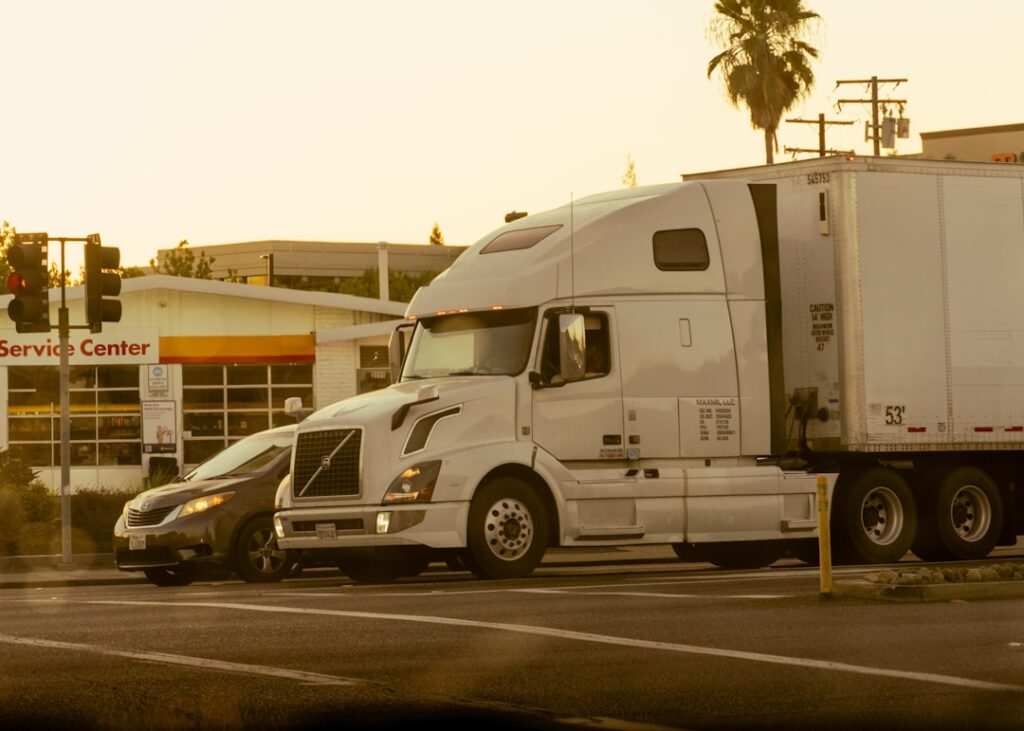
Navigating the Workforce Shift: Opportunities and Challenges Ahead
Emerging Roles in a Driverless Landscape
The shift to autonomous trucks will change jobs rather than eliminate them. New roles are emerging:
- Fleet Technicians: Maintain sensors and troubleshoot software.
- Data Engineers: Process and label sensor data for machine learning.
- Safety Compliance Officers: Ensure operations meet regulations.
- Remote Operations Supervisors: Monitor fleets and address anomalies.
Companies like Kodiak are creating apprenticeship programs that combine training with community college partnerships, helping displaced drivers transition to managing autonomous fleets.
Geographic Disparities and Rural Communities
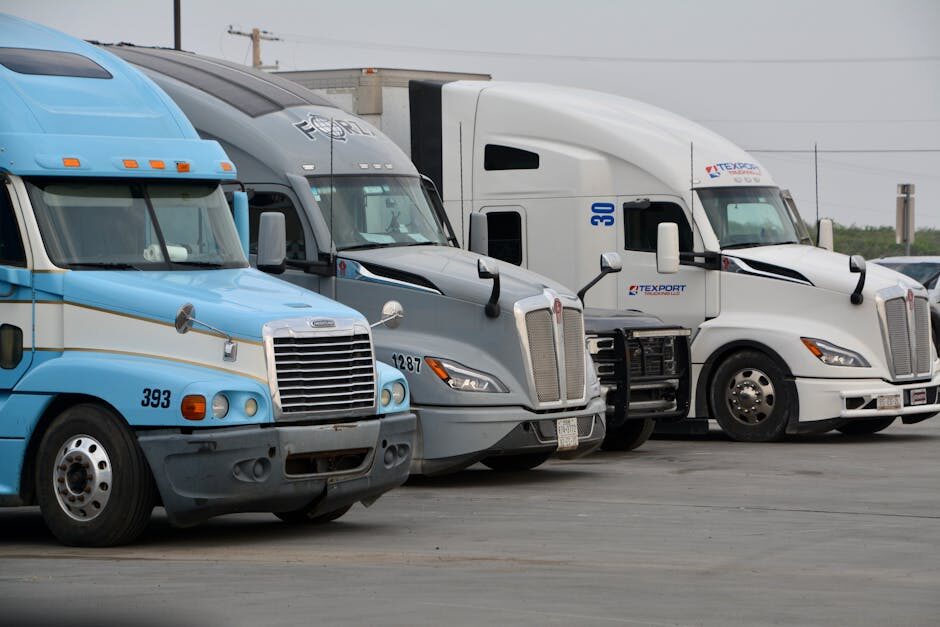
Truck driving is a key job in rural America, where few alternatives exist. Automation could worsen economic inequality in states like Texas and Oklahoma, where trucking contributes significantly to household income.
Policy responses are emerging. The Federal Motor Carrier Safety Administration (FMCSA) proposed a “Transition Assistance Fund” to support retraining in high-impact areas. State legislatures are considering tax incentives for companies that hire local talent for autonomous fleet roles.
Skill Gaps and Educational Imperatives
Closing the skill gap requires more than short courses. The autonomous trucking industry needs expertise in software development, cybersecurity, and diagnostics—skills many current drivers lack. Community colleges are expanding programs to include training in embedded systems, AI ethics, and vehicle-to-infrastructure communications.
You may also like
 Future Skills & Work
Intangible Skills Outpace Automation in LLM Era
Simultaneously, a longitudinal analysis of Swiss job advertisements from 1950 to 2019 shows that.
Read More →For instance, a pilot program in Dallas Community College District partners with Aurora to offer a six-month certificate in “Autonomous Vehicle Systems Maintenance.” Graduates gain credentials for entry-level positions in Aurora’s service network, providing a pathway from traditional trucking to high-tech jobs.
The autonomous trucking industry needs expertise in software development, cybersecurity, and diagnostics—skills many current drivers lack.
Entrepreneurial Horizons
The rise of driverless trucks opens opportunities for startups. New services like last-mile electric delivery and predictive maintenance are emerging, leveraging the data from autonomous fleets. These companies are creating revenue streams that were not possible with human drivers.
Balancing Innovation with Regulation
Clear regulations are essential for widespread adoption. While the FMCSA has provided guidance on “Automated Driving Systems,” specific standards for higher levels of autonomy are still being developed. A collaborative approach involving manufacturers, carriers, labor unions, and safety advocates is crucial for building public trust.
In Texas, lawmakers introduced a “Safe Autonomous Freight Act” to grant conditional permits to fleets meeting safety standards and requiring transparent incident reporting. This aims to create a feedback loop where real-world performance informs policy, ensuring responsible rollout.
Strategic Perspective: Steering Toward an Autonomous Future
The combination of cost pressures, technology readiness, and regulatory support positions autonomous trucking as a key turning point for the $900 billion industry. Companies investing in sensor technology, data infrastructure, and workforce training will gain a competitive edge, while those relying on outdated models may struggle.
Lower freight costs could lead to cheaper consumer goods, and improved safety may reduce the burden of road accidents. However, the transition will require significant efforts to retrain a workforce that has long been part of the American trucking landscape.
You may also like
 AI & Technology
AI tools sharpen detection of unconscious bias
This analysis dissects the structural shift, the technical levers, and the downstream impact on career capital and institutional power.
Read More →<img width="1024" height="731" src="https://careeraheadonline.com/wp-content/uploads/2026/03/6oE-ePSFJxI-2-1024×731.jpg" class="oaa-inline-image" alt="" style="display:block; margin:20px auto; max-width:100%; height:auto; border-radius:8px;" decoding="async" srcset="https://careeraheadonline.com/wp-content/uploads/2026/03/6oE-ePSFJxI-2-1024×731.jpg 1024w, https://careeraheadonline.com/wp-content/uploads/2026/03/6oE-ePSFJ