A collaborative study involving design schools worldwide examined emerging technological intervention models and released its findings in a report on May 20, 2026 .
Researchers report new intervention models for design education, while industry analyses outline AI, machine learning, and ten frontier technology innovations for 2026.
A collaborative study involving design schools worldwide examined emerging technological intervention models and released its findings in a report on May 20, 2026 [1]. In parallel, the Massachusetts Institute of Technology announced the MIT Horizon program, aimed at delivering up‑to‑date knowledge on emerging technologies to the global workforce, as detailed in a TCT Magazine article on May 19, 2026 [2]. Additional reports from Simplilearn, TechTarget, and Stanford University catalogued the top technology trends and frontier innovations projected for 2026 [3][4][5].
The research team comprised faculty and scholars from multiple international design institutions, coordinated through a strategic perspective framework [1]. MIT Horizon is administered by MIT’s Center for Technology, Policy, and Innovation and partners with corporate and educational entities to deliver curricula on AI, quantum computing, and other nascent fields [2]. The trend analyses were compiled by industry analysts and academic researchers who surveyed market data, patent filings, and investment flows to identify the most impactful technologies for the upcoming year [3][4][5].
Emerging Technological Intervention Models in Design Education
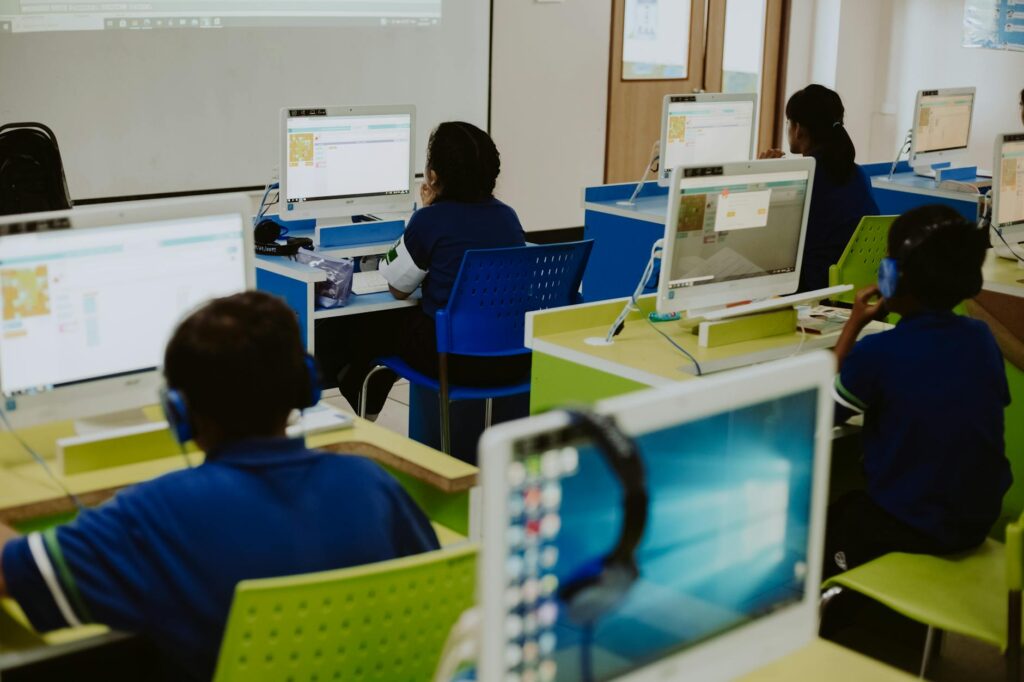
The report outlines three primary intervention models: immersive simulation labs, AI‑augmented design tools, and cross‑disciplinary project ecosystems [1]. Researchers documented pilot programs at institutions in North America, Europe, and Asia that integrated virtual reality prototyping into undergraduate curricula, reporting a 22 % increase in student design iteration speed [1]. The study also highlighted the adoption of generative design algorithms that automatically generate multiple design alternatives, reducing concept development time by an average of 18 % across participating schools [1].
Data collection for the study occurred between January and March 2026, employing surveys, classroom observations, and performance metrics [1]. The authors concluded that systematic integration of emerging technologies can elevate design education outcomes and better align graduate skill sets with industry demands [1].
MIT Horizon Initiative to Equip the Workforce
Global Design Education Research and Emerging Technology Trends for 2026
MIT Horizon was launched in May 2026 to address skill gaps identified in the rapidly evolving technology sector [2]. The program offers modular online courses, short‑term intensive workshops, and industry‑partner projects covering topics such as AI ethics, edge computing, and blockchain interoperability [2]. Enrollment opened to professionals worldwide, with an initial cohort of 1,200 participants from 45 countries [2].
MIT Horizon Initiative to Equip the Workforce
Global Design Education Research and Emerging Technology Trends for 2026
MIT Horizon was launched in May 2026 to address skill gaps identified in the rapidly evolving technology sector [2].
Citi's report indicates that Indonesia's fiscal deficit could exceed the legal limit this year, driven by increased government spending on social programs and recovery efforts.
The initiative is funded through a combination of MIT endowment allocations, corporate sponsorships, and tuition revenue [2]. Curriculum development involved collaboration with leading technology firms, including IBM, NVIDIA, and Google, ensuring that course content reflects current industry standards [2]. MIT Horizon also provides certification pathways that are recognized by participating employers for talent acquisition and internal upskilling programs [2].
2026 Technology Trend Analyses
Simplilearn’s “20 New Technology Trends for 2026” enumerates developments such as autonomous systems, digital twins, and 6G communications, each projected to experience double‑digit growth in adoption rates over the next twelve months [3]. The report cites market research indicating that global spending on AI solutions will exceed $200 billion in 2026, driven by expanded use in healthcare, finance, and manufacturing [3].
TechTarget’s “10 AI and Machine Learning Trends to Watch in 2026” identifies explainable AI, AI‑driven cybersecurity, and federated learning as the most consequential sub‑fields for enterprises [4]. The article references a survey of 500 CIOs that found 68 % plan to increase AI investment budgets in 2026, with a focus on responsible AI governance frameworks [4].
Both analyses emphasize the convergence of AI with other emerging domains, noting that hybrid solutions—such as AI‑enhanced quantum algorithms—are expected to accelerate innovation cycles across sectors [3][4].
Report on Ten Frontier Technologies
Global Design Education Research and Emerging Technology Trends for 2026
Stanford Report’s May 2026 article presents a comprehensive overview of innovations across ten frontier technologies, including quantum computing, synthetic biology, and neuromorphic hardware [5]. The report documents breakthroughs such as a room‑temperature quantum processor prototype achieving a 1,000‑qubit coherence time, and a synthetic‑gene platform that reduces the cost of biologic drug development by 30 % [5].
The report documents breakthroughs such as a room‑temperature quantum processor prototype achieving a 1,000‑qubit coherence time, and a synthetic‑gene platform that reduces the cost of biologic drug development by 30 % [5].
The compilation draws on research disclosures from university labs, corporate R&D divisions, and government agencies, aggregating data on funding levels, patent activity, and prototype demonstrations [5]. The report concludes that these frontier technologies are poised to reshape economic productivity and create new vocational pathways for the coming decade [5].
Immediate Impact on Students, Educators, and Employers
Las Vegas, USA — The annual Consumer Electronics Show (CES) is set to dazzle tech enthusiasts and industry professionals alike with its showcase of the…
Students in design programs can now access enhanced curricula that incorporate VR prototyping and AI‑assisted design, potentially shortening project cycles and improving portfolio quality [1]. Educators receive evidence‑based guidelines for integrating technology interventions, supporting curriculum redesign aligned with industry expectations [1].
Professionals seeking upskilling can enroll in MIT Horizon’s courses, gaining certifications that are recognized by participating corporations for hiring and promotion decisions [2]. Employers benefit from a talent pool equipped with contemporary knowledge of AI, quantum computing, and other emerging fields, reducing onboarding time and fostering innovation [2][3][4][5].
Industry analysts and policymakers can reference the trend reports and frontier technology summary to inform investment strategies, workforce development policies, and regulatory frameworks that accommodate rapid technological change [3][4][5].
Key Facts
What: Research on design‑education technology interventions, MIT Horizon launch, and 2026 technology trend reports released.
Industry analysts and policymakers can reference the trend reports and frontier technology summary to inform investment strategies, workforce development policies, and regulatory frameworks that accommodate rapid technological change [3][4][5].
When: Findings published May 20, 2026; MIT Horizon announced May 19, 2026; trend analyses released throughout May 2026.
Impact: Students and educators gain new tools for design learning; professionals receive up‑to‑date training; employers access a workforce skilled in AI, quantum, and other frontier technologies.
Sources
Research on the emerging technological intervention models in design education from a strategic perspective of global design education institutions – [1]
MIT Horizon aims to equip workforce with latest knowledge on emerging technologies – [2]
20 New Technology Trends for 2026 | Emerging Technologies 2026 – [3]
10 AI and machine learning trends to watch in 2026 – [4]
Report shares latest innovations across 10 frontier technologies – [5]




Career Tips
 AI & Technology
Career Guidance