African economies are recovering as energy prices drop. In June 2026, private-sector sentiment improved in five of six African countries tracked by S&P Global. This improvement is due to easing economic pressures from the Iran conflict and lower energy costs, which many African nations rely on for imports.
Countries like South Africa and Kenya lead this recovery. The Purchasing Managers’ Index (PMI) for South Africa rose to 52.5, while Kenya’s PMI hit 54.0. These numbers indicate growth in their manufacturing sectors. This trend suggests that the economic impact of global events is lessening. The African Development Bank (AfDB) reports that this recovery is not just temporary but part of a longer trend toward economic resilience as countries adapt to global market changes.
Investment Opportunities in Recovering African Economies
Falling energy prices are creating a good environment for investment across Africa. Career Ahead’s analysis shows that lower energy costs reduce business expenses, leading to higher profits. This is especially beneficial for manufacturing, agriculture, and renewable energy sectors.
The AfDB notes that the continent’s resilience is impressive, with more investments in sustainable energy sources. Countries are investing in solar and wind energy, reducing reliance on fossil fuels and creating jobs. For example, South Africa’s renewable energy sector is set to attract significant foreign investment as the government supports green initiatives. The AfDB emphasizes that these investments are vital for economic growth and job creation in a recovering economy.
This growth is crucial for young entrepreneurs starting businesses in emerging markets.
Additionally, the World Bank highlights that better energy access can boost economic activities, especially in rural areas. As energy becomes cheaper, small and medium enterprises (SMEs) can thrive, leading to job creation and economic diversification. This growth is crucial for young entrepreneurs starting businesses in emerging markets. The World Bank’s Africa Pulse report shows that stable energy prices increase consumer confidence, which is essential for maintaining economic momentum.
 Industry & Global Trends
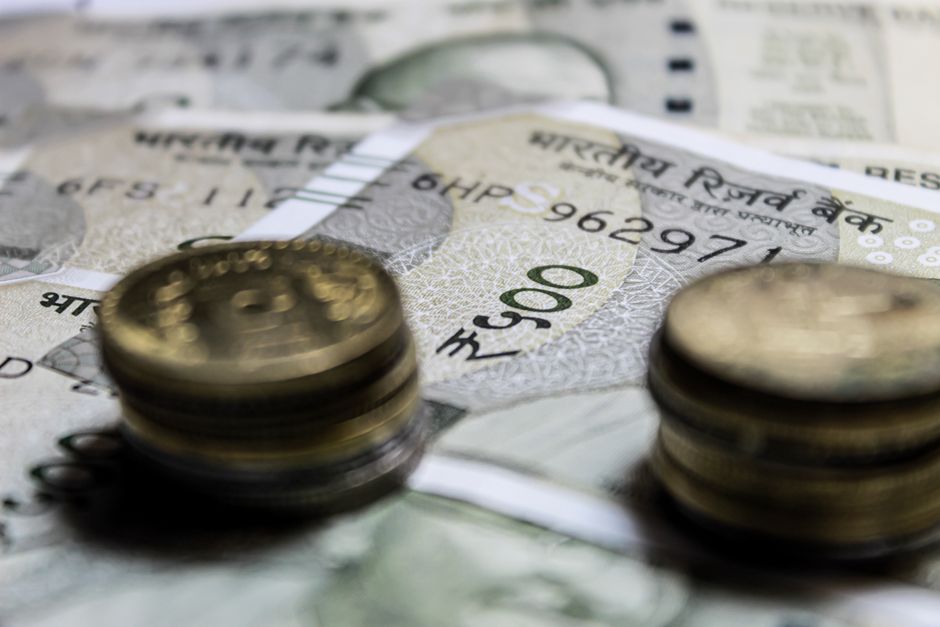
India Set for Back-to-Back Rate Hikes as Inflation Risks Mount
The Reserve Bank of India is poised to implement consecutive interest rate hikes in response to rising inflation driven by various economic factors.
Read More →As Africa becomes a viable investment destination, business analysts should monitor energy pricing trends and government policies that promote growth. The current situation offers a unique chance for investors to benefit from the continent’s recovery. With support from international financial institutions, there is a renewed focus on infrastructure development and technological innovation, which are key for long-term sustainability.
Market Stability and Future Growth Prospects
Energy price changes have historically affected market stability in Africa. However, the recent price drop may enhance market stability, which is crucial for long-term growth. Career Ahead’s research shows that a stable energy market boosts consumer confidence, encouraging spending and investment.
The latest PMI data indicates a rise in consumer demand, essential for sustaining economic growth. The AfDB’s report suggests that as private-sector confidence increases, businesses are more likely to invest in expansion and innovation. This cycle of investment can create a strong economic environment, making African markets more appealing to foreign investors. The AfDB also notes that countries diversifying their economies and investing in technology are better equipped to handle external shocks, ensuring a more stable economic future.
Analysts must closely monitor these developments to accurately predict the future of African economies.
Moreover, the recovery in energy prices can improve government fiscal health. Lower energy costs can reduce subsidies, allowing governments to invest in critical areas like education and healthcare. This shift can enhance quality of life and promote sustainable development across the continent. The World Bank stresses that such fiscal improvements are vital for creating a business-friendly environment and attracting foreign direct investment.
 Industry & Global Trends
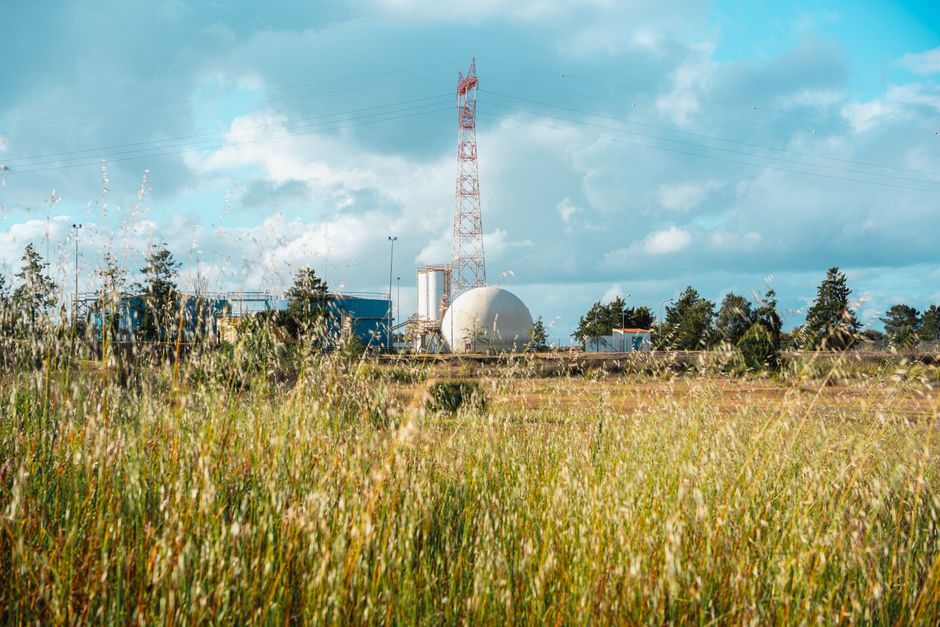
Cygni Energy, Indus Towers Unite for Telecom Energy Storage
Cygni Energy and Indus Towers have signed a Memorandum of Understanding to develop energy storage solutions for telecom infrastructure, marking a significant step towards sustainability…
Read More →
However, caution is necessary as market dynamics can change quickly. Geopolitical tensions or shifts in global energy policies could disrupt this positive trend. Analysts must closely monitor these developments to accurately predict the future of African economies. The AfDB warns that while current trends are encouraging, external factors like global economic slowdowns or trade disputes could pose risks to recovery.
In this context, international partnerships and cooperation are increasingly important. Countries that build strong relationships with global investors and institutions can better navigate challenges and seize growth opportunities. The World Bank’s Africa Pulse report highlights the need for regional cooperation to enhance trade and investment flows, which are crucial for sustained recovery.
The current recovery of African economies amid falling energy prices is vital for young professionals and investors. With growth potential in various sectors, there are many opportunities for those engaging with emerging markets. Adapting to changing market conditions will be key for success in this evolving landscape.
Looking ahead, the question remains: will African economies maintain their positive momentum, or will external factors disrupt this growth? The coming months will be critical in determining the sustainability of this recovery and its impact on investment strategies across the continent.
These metrics provide insights into the economic health and growth prospects of African nations.
Frequently Asked Questions
What economic indicators should economists monitor in Africa?
Economists should focus on PMIs, inflation rates, and energy prices. These metrics provide insights into the economic health and growth prospects of African nations.
How can energy investors capitalize on the recovery in African markets?
Energy investors can explore opportunities in renewable energy projects and infrastructure development. The declining energy prices create a favorable investment climate for sustainable energy initiatives.
 Industry & Global Trends
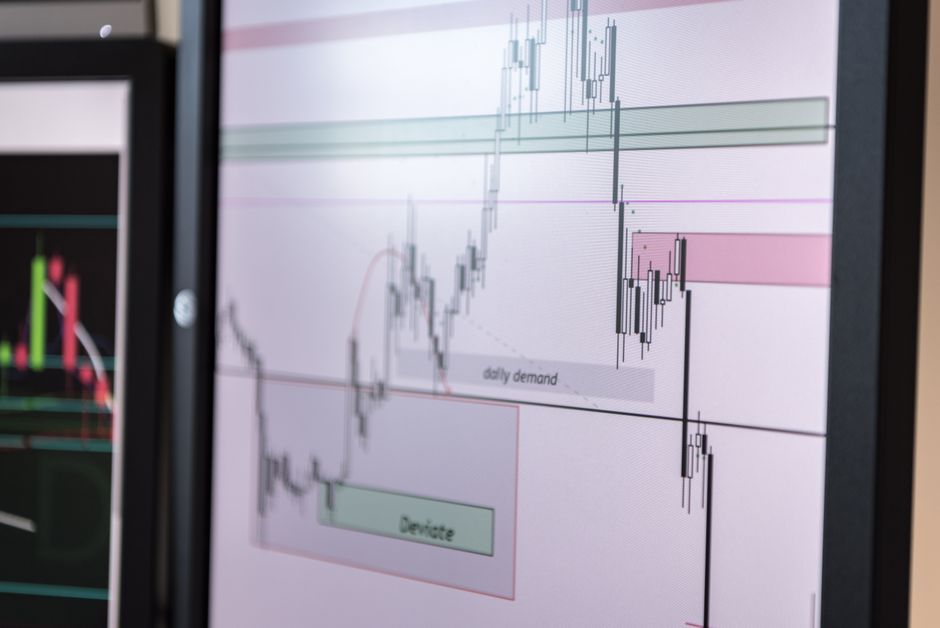
The Inflation Impact of Energy Prices and AI Advancements
Vanguard's recent analysis highlights how escalating energy prices and advancements in AI technology are keeping inflation rates high. This trend poses significant challenges for financial…
Read More →
What strategies should business analysts adopt to assess opportunities in recovering African economies?
Business analysts should track market trends, government policies, and sector performance. Understanding the local economic landscape and consumer behavior is crucial for identifying viable investment opportunities.
Written by Career Ahead AI. AI can make mistakes, so verify key facts. Report errors to support@careeraheadonline.com.