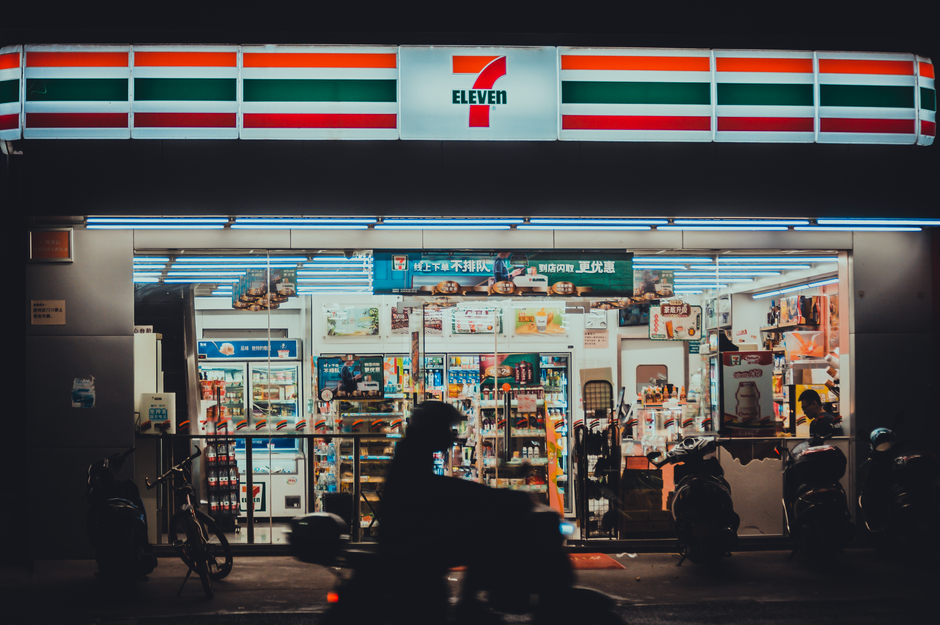
India’s Reliance Retail and 7-Eleven have ended their five-year franchise partnership. This closure affects nearly 60 convenience stores across the country. The decision comes after significant financial losses, with the partnership reporting a net loss of nearly ₹90 crore ($10.6 million) for the year ending March 2026. The closure highlights ongoing challenges for convenience retailers in India. They face growing competition from quick-commerce platforms and traditional kirana stores.
The partnership began in 2021. It aimed to use Reliance’s extensive retail network to bring the world’s largest convenience store chain to Indian consumers. However, the venture struggled to gain traction, leading to its end. As the retail landscape shifts, this has serious implications for franchise operators and retail managers in India.
Impact on Franchise Profitability
The end of the Reliance Retail and 7-Eleven partnership marks a significant change in profitability for convenience stores in India. Reliance’s exit shows the challenges of maintaining profitable operations in this sector. The 7-India Convenience Retail venture reported revenues of about ₹92 crore, but the large losses indicate an unsustainable business model. The Economic Times states that the partnership could not achieve the scale needed to cover the high costs of running branded stores, a key factor in the competitive retail environment.
Career Ahead’s analysis shows that quick-commerce companies are putting pressure on traditional convenience stores. These companies deliver groceries and daily essentials within minutes. They often operate with lower costs and can offer similar products at competitive prices. This forces convenience stores to rethink their pricing strategies and value propositions. The Economic Times also notes that convenience stores are squeezed between millions of small kirana stores and quick-commerce companies delivering essentials quickly.
Additionally, the franchise model presents its own challenges. Franchise operators often deal with high operational costs, such as rent, staffing, and inventory management. These costs can erode profit margins. Given the current economic climate and changing consumer preferences, operators must find innovative ways to adapt. They should focus on unique offerings that set them apart from both kirana stores and quick-commerce platforms. As the market evolves, franchise profitability will depend on the ability to innovate and meet consumer demands. Retail managers must enhance customer experiences, such as offering fresh food options or loyalty programs tailored to local preferences. The end of the Reliance and 7-Eleven partnership serves as a cautionary tale for franchise operators in this complex landscape.
Career Ahead’s analysis shows that quick-commerce companies are putting pressure on traditional convenience stores.
Changing Consumer Shopping Habits
The end of the Reliance Retail and 7-Eleven partnership highlights a broader shift in consumer shopping habits in India. The rise of quick-commerce has changed how consumers access daily essentials. With platforms promising delivery within minutes, shoppers increasingly prefer convenience over traditional shopping methods. Career Ahead research shows that consumer behavior has shifted since the pandemic, with many now favoring online shopping. This trend puts traditional convenience stores at a disadvantage as they struggle to compete with quick-commerce services. Retail managers must understand these changing preferences and adapt their offerings.
Moreover, small kirana stores add another layer of complexity. These neighborhood shops have long catered to local needs. They operate with lower costs and provide personalized service. As a result, they remain a popular choice for many consumers, especially in urban and semi-urban areas. The Economic Times emphasizes that kiranas have much lower overheads and different margin expectations than corporate-run convenience stores. This complicates the landscape for larger retail chains. Convenience store operators must recognize the strengths of these local competitors and find ways to carve out their niche.
To stay relevant, convenience stores may need to improve their product offerings, focusing on fresh and locally sourced items. Creating a unique shopping experience that cannot be replicated online or by quick-commerce platforms will also be essential. Retail managers should consider using technology, such as mobile apps for easy ordering or delivery, to meet evolving consumer expectations. As preferences continue to change, the ability to pivot quickly will determine the success of convenience stores in India. The end of the Reliance and 7-Eleven partnership serves as a reminder of the need for adaptability in a rapidly changing market.

The conclusion of the Reliance Retail and 7-Eleven partnership opens new opportunities in the convenience store sector. With 7-Eleven possibly seeking another local partner, other franchise operators may step in to fill the gap. Career Ahead analysis suggests that new players in convenience retail could learn from the Reliance and 7-Eleven experience. By understanding local market dynamics and consumer preferences, new franchisees can tailor their approaches to better serve Indian consumers.
Furthermore, as the quick-commerce sector grows, there is potential for collaboration between convenience stores and these platforms. By forming strategic alliances, convenience stores can improve their delivery capabilities and reach more customers. This could involve partnerships with existing quick-commerce services or developing in-house delivery solutions. The shift in consumer behavior towards convenience also presents opportunities for innovative business models. Franchise operators could explore hybrid models that combine physical stores with a strong online presence, capturing both in-store and online sales. This flexibility could be crucial in a market that increasingly values convenience and speed.
As preferences continue to change, the ability to pivot quickly will determine the success of convenience stores in India.
As the convenience retail landscape in India evolves, new partnerships and innovative strategies will be vital for success. The end of the Reliance and 7-Eleven partnership may mark the beginning of a new chapter in the convenience store sector. The future of convenience stores in India is uncertain, but lessons from this partnership can guide new entrants. As the market adapts to changing preferences and competitive pressures, the focus must be on innovation and adaptability to thrive.
Frequently Asked Questions
What does the end of the Reliance and 7-Eleven partnership mean for convenience store operators?
The end of the Reliance and 7-Eleven partnership highlights the challenges convenience store operators face in India. With rising competition from quick-commerce platforms and traditional kirana stores, operators must adapt their strategies to stay competitive.
How can retail managers adapt to changing consumer preferences?
Retail managers can adapt by improving their product offerings and enhancing customer experience. Using technology, like mobile apps for ordering and delivery, can help meet changing consumer expectations.
What opportunities exist for new franchise partnerships in India?
The end of the Reliance and 7-Eleven partnership creates opportunities for other franchise operators to enter the market. New entrants can learn from past experiences and tailor their strategies to better meet local consumer preferences.
Written by Career Ahead AI. AI can make mistakes, so verify key facts. Report errors to support@careeraheadonline.com.