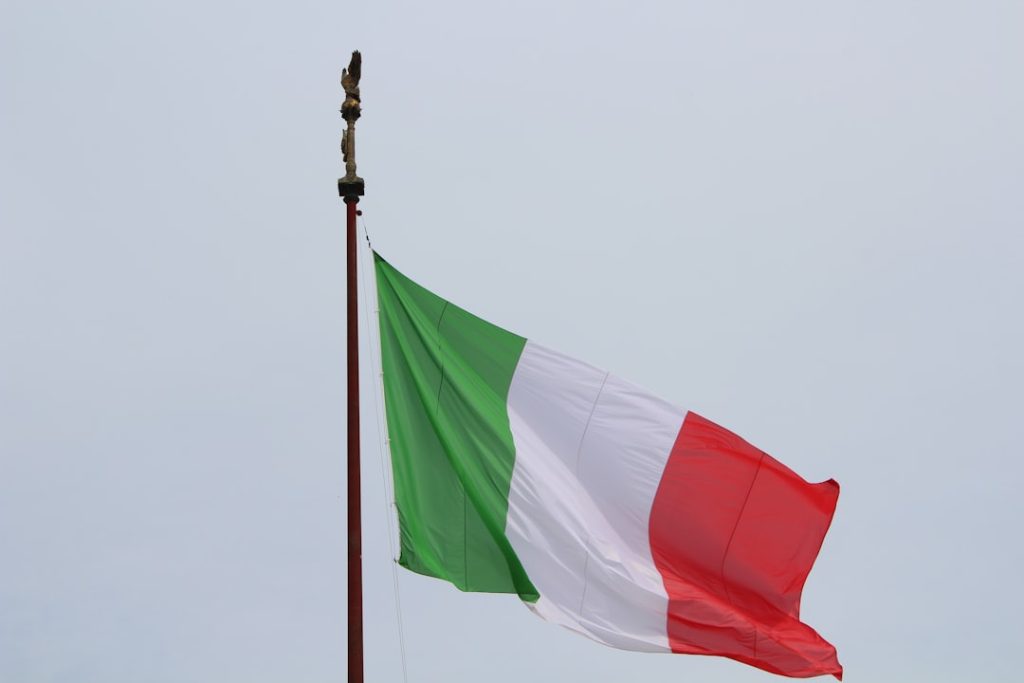
Rome, Italy — The Agnelli family’s media company, Gedi Gruppo Editoriale SpA, is at a critical juncture. As negotiations for its potential sale to Greece’s Antenna Group progress, Italy’s foreign minister, Antonio Tajani, has firmly stated that the media firm should remain in Italian hands. This statement underscores the importance of safeguarding press freedom in Italy, a value that has been a cornerstone of democracy.
The Agnelli family, known for their historic ties to Fiat and various media ventures, has been a significant player in Italy’s media landscape. Gedi, which owns major publications such as La Repubblica and L’Espresso, plays a crucial role in shaping public discourse. Tajani’s comments reflect a growing concern among politicians and citizens alike about the implications of foreign ownership of media outlets, particularly regarding editorial independence and national identity.
As the sale talks unfold, the stakes are high for both the Agnelli family and the broader Italian media ecosystem. The potential shift in ownership could alter the landscape of journalism in Italy, impacting how news is reported and consumed. Tajani’s insistence on keeping Gedi Italian is not merely about corporate ownership; it is also about maintaining a voice that reflects Italian values and interests.
Why Italy’s Media Landscape Matters
The Italian media landscape has faced numerous challenges in recent years, including economic pressures, declining readership, and the rise of digital platforms. In this context, the role of established media companies like Gedi becomes even more vital. They not only provide news but also uphold journalistic standards and contribute to public debate.
Moreover, the Agnelli family’s legacy in media is intertwined with their historical influence in Italy’s industrial sector. Their ownership of Gedi has allowed for a unique integration of business and media, fostering a relationship that has traditionally prioritized Italian interests. This relationship is now being tested as global players like Antenna Group seek to enter the market.
Their ownership of Gedi has allowed for a unique integration of business and media, fostering a relationship that has traditionally prioritized Italian interests.
Maintaining an Italian-owned media company is seen as essential for preserving the integrity of journalism in Italy. Tajani’s remarks resonate with many who fear that foreign ownership could lead to a dilution of local perspectives and values. The implications of such a change could extend beyond media; they touch on issues of cultural identity and national sovereignty.
 Industry & Global Trends
Agarwal Says India Can Attract Data Centre Investment
Agarwal cites data-centre construction costs around half the US and Europe level, renewable energy, a 1.5 billion population and coastline.
Read More →As discussions continue, it is crucial for stakeholders in the media industry, including journalists, policymakers, and the public, to engage in this dialogue. The future of Gedi and its role in Italian society hinges on the outcome of these negotiations.
The Implications for Press Freedom in Italy
Press freedom is a cornerstone of democracy, and the ownership of media outlets plays a significant role in determining how freely information flows. The potential sale of Gedi to a foreign entity raises questions about editorial independence and the ability of Italian journalists to report without external influence.
According to a report by the Committee to Protect Journalists, media ownership concentration can lead to a homogenization of viewpoints, which is detrimental to democratic discourse. If Gedi were to fall into foreign hands, there is a risk that the narratives presented might prioritize the interests of the new owners over those of the Italian public.
Furthermore, the financial health of media companies is critical for their survival. The challenges faced by traditional media, such as declining advertising revenues and the shift to digital consumption, have made it difficult for companies like Gedi to thrive. This financial instability could be exacerbated by foreign ownership, which might prioritize profit margins over journalistic integrity.
Furthermore, the financial health of media companies is critical for their survival.

 Industry & Global Trends
Broadcom Plans $50 Billion Financing for OpenAI Chips, WSJ Says
Broadcom's $50 billion investment in AI chip development signifies a pivotal moment for the tech industry, highlighting the increasing demand for specialized hardware in AI…
Read More →The Italian public has a vested interest in the outcome of this sale. A media landscape that reflects diverse opinions and serves the public good is essential for a healthy democracy. As citizens engage with news, they must consider the implications of who owns their media and how that ownership influences content.
- Stay informed: Follow developments in the Gedi sale and engage with local news sources to understand the implications for press freedom.
- Advocate for transparency: Support initiatives that promote transparency in media ownership and encourage public discourse on the topic.
- Participate in discussions: Join community forums or online discussions about the future of media in Italy to share your perspective and learn from others.
However, experts warn that the push for national ownership may overlook the potential benefits of foreign investment. Some argue that foreign ownership can bring in new resources, expertise, and perspectives that could enhance the quality of journalism. A balanced approach is necessary to ensure that media serves the public interest while adapting to a rapidly changing landscape.
The Future of Gedi and Italian Media
The future of Gedi and its role in Italian media remains uncertain. As negotiations unfold, the outcome will likely shape the media landscape for years to come. The question of ownership is not merely a corporate matter; it reflects broader societal values and priorities.
As Italy grapples with the challenges of a digital age, the need for robust, independent journalism is more critical than ever.
As Italy grapples with the challenges of a digital age, the need for robust, independent journalism is more critical than ever. The potential sale of Gedi serves as a reminder of the delicate balance between maintaining national interests and embracing global opportunities. How Italy navigates this situation will have lasting implications for its media and democracy.

Will the Agnelli family choose to uphold their legacy by keeping Gedi Italian, or will they embrace the change that foreign ownership could bring? The decisions made in the coming months will not only affect the company but also the future of journalism in Italy.
Written by Career Ahead AI. AI can make mistakes, so verify key facts. Report errors to support@careeraheadonline.com.