


Employers who pair AI chatbots with human support can cut absenteeism, but they must guard privacy and set realistic expectations.
The Mental Health Crisis in the workplace
A 2024 internal survey at a multinational bank revealed that 42% of employees felt “burned out.” This data echoes a 2023 Gallup report that 64% of U.S. workers say stress hampers their performance. Anxiety and depression are now among the top reasons for sick leave, and the pandemic has deepened the problem. Traditional employee assistance programs (EAPs) see low uptake, with only 15% of eligible employees using counseling services, citing stigma and inconvenient scheduling.
The Context of AI-Powered Mental Health Chatbots
AI chatbots are emerging as a solution. In early 2024, Microsoft announced its Viva platform would embed a generative-AI coach capable of running brief mood checks and offering coping tips. A fintech firm partnered with Woebot Health, allowing employees to text a virtual therapist 24/7. These bots promise anonymity, instant response, and scalability that human counselors can’t match. A survey by Employee Benefit News showed that 68% of HR leaders who piloted chatbots reported higher engagement with wellness resources.
The Mental Health Crisis in the workplace A 2024 internal survey at a multinational bank revealed that 42% of employees felt “burned out.” This data echoes a 2023 Gallup report that 64% of U.S.
The Stakes: Why Employers Need to Take Action
If leaders ignore the mental-health gap, the cost adds up. The World Health Organization estimates that depression and anxiety cost the global economy $1 trillion in lost productivity each year. In the United States, absenteeism linked to mental-health issues rose 18% between 2020 and 2023. Employers face legal exposure, as the Occupational Safety and Health Administration (OSHA) has begun to interpret “safe workplace” to include psychological hazards.
Investing in AI Chatbots
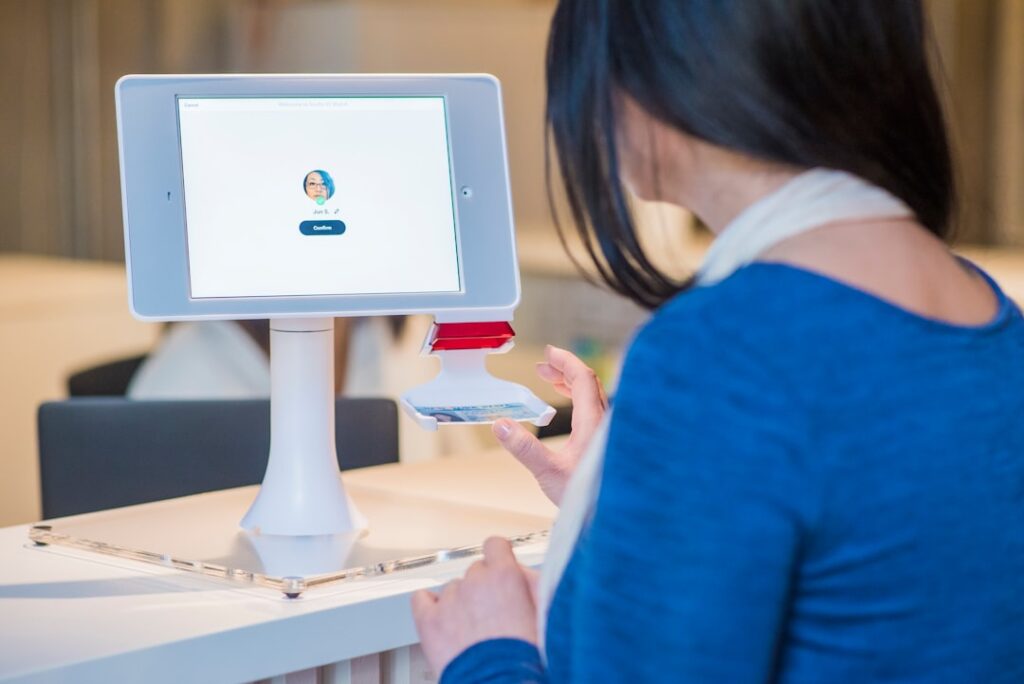
Companies that introduced bots reported a 12% drop in mental-health-related sick days within six months, according to the Microsoft case study. The savings on turnover can quickly outweigh subscription fees. However, critics warn that overreliance on bots may create a false sense of care, leading employees to bypass needed professional treatment. Data-privacy breaches could also erode trust.
Responding to the Crisis: Implementing AI-Powered Chatbots
A pragmatic rollout treats chatbots as a supplement, not a substitute. First, integrate the bot into existing EAP portals so users can seamlessly move from a chatbot conversation to a live therapist when red flags appear. Second, choose a vendor that offers end-to-end encryption and stores data on servers that comply with GDPR and U.S. state privacy laws. Third, set clear expectations and communicate that the bot can provide coping strategies, mindfulness exercises, and referrals, but it is not a diagnostic tool.
The Outlook: The Future of AI-Powered Mental Health Support
AI technology is on a steep learning curve. New models can detect subtle language cues that indicate rising stress levels, allowing pre-emptive outreach. By 2027, analysts predict that at least half of Fortune 500 firms will have a conversational AI component in their wellness stack. Regulatory bodies are catching up, too, with the U.S. Federal Trade Commission drafting guidelines on algorithmic transparency for health applications.
 Industry & Global Trends
Cityblock Health Innovates Complex Care Management
Cityblock Health is pioneering new models in complex care management, focusing on patient-centered approaches and technology integration. This innovation is crucial for healthcare managers and…
Read More →For employers, the path forward is clear: adopt AI chatbots with a human-in-the-loop safety net, stay vigilant about privacy, and keep an eye on emerging regulations. Those who get it right can boost productivity, lower costs, and create workplaces where mental health is treated as a core asset rather than an afterthought.
Written by Career Ahead AI. AI can make mistakes, so verify key facts. Report errors to support@careeraheadonline.com.





