No products in the cart.

AI Connects Lab Machines for Seamless Experimentation | Career Outlook
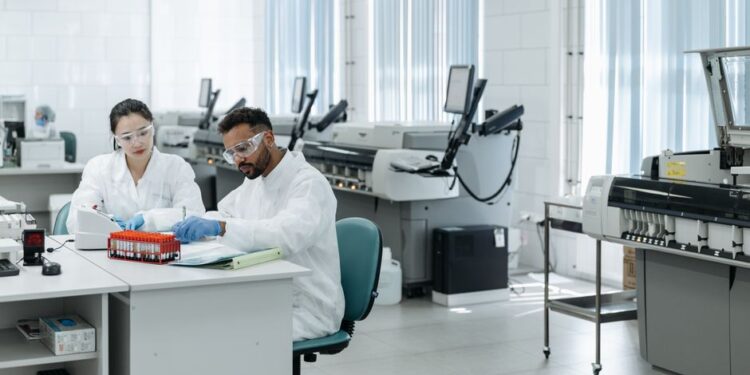
The introduction of MHS comes at a critical time when the demand for faster and more efficient research methodologies is escalating.

Anthropic has unveiled a groundbreaking AI system that allows laboratory machines to communicate and collaborate more effectively, significantly streamlining the experimental process. This system, known as the Model Hardware Standard (MHS), was developed in partnership with the Janelia Research Campus at the Howard Hughes Medical Institute. The MHS enables various lab instruments to work together through AI agents, enhancing the efficiency of research automation.
The introduction of MHS comes at a critical time when the demand for faster and more efficient research methodologies is escalating. Traditional lab setups often involve cumbersome integrations between machines from different manufacturers, which can slow down the research process. By addressing these integration challenges, Anthropic’s AI system promises to revolutionize how experiments are conducted in laboratories.
Enhancing Communication Among Lab Instruments
One of the primary advantages of the MHS is its ability to facilitate seamless communication between diverse laboratory instruments. According to a report from Nature, the MHS acts as a software interface that connects laboratory computers with multiple instruments. This allows researchers to describe an experiment using plain language, enabling the AI to manage the necessary equipment without requiring extensive programming for each machine.
In practical demonstrations, researchers at Carnegie Mellon University found that experiments which typically take months to set up could be completed in just a few hours using the MHS. This remarkable improvement in efficiency is attributed to the AI’s capability to coordinate tasks among various instruments. For instance, a robotic arm can position a multi-well plate, while other instruments execute their specific functions, all managed by the AI.
This system not only reduces the time required for setting up experiments but also minimizes the potential for human error. By automating the communication and task management between machines, lab technicians can focus on higher-level analysis rather than the logistical challenges of coordinating multiple devices. Furthermore, the MHS is designed to adapt to various laboratory environments, making it a versatile solution that can be implemented across different research disciplines.
Cristian Ponce, CEO of Tetsuwan Scientific, highlighted that robots need precise programming to perform specific tasks effectively.
You may also like
 AI & Technology
Google Launches Project Suncatcher for AI | Career Outlook
Project Suncatcher represents a significant leap in the intersection of artificial intelligence and aerospace engineering. By leveraging the unique conditions of low Earth orbit, Google…
Read More →However, experts caution that while the MHS represents a significant advancement in lab automation, it is not without its challenges. Cristian Ponce, CEO of Tetsuwan Scientific, highlighted that robots need precise programming to perform specific tasks effectively. For example, tasks like pipetting require careful calibration of speed and technique, which can complicate full automation efforts. As noted in a recent article from LiveMint, the MHS allows lab machines to communicate and run experiments autonomously, but the intricacies of certain manual tasks still necessitate human oversight.
Despite these hurdles, the potential for enhanced communication between lab instruments is a game changer for research scientists and automation engineers alike. By enabling a more integrated approach to lab automation, the MHS could pave the way for new experimental methodologies that were previously unattainable. The implications of this technology extend beyond mere efficiency; they could redefine the very nature of scientific inquiry.
Implications for Lab Technicians and Research Scientists
The implementation of Anthropic’s AI system will have profound implications for lab technicians and research scientists. As the MHS automates routine tasks and facilitates communication, it is expected to create new roles focused on managing and optimizing these AI-driven workflows. Career Ahead’s analysis indicates that lab technicians will increasingly transition from manual tasks to roles that require oversight and strategic input in automated environments.
Furthermore, research scientists will benefit from the increased efficiency that the MHS provides. With AI managing the logistics of experiments, scientists can dedicate more time to hypothesis testing and data analysis. This shift could lead to more innovative research outcomes, as scientists are freed from the constraints of traditional lab workflows. The ability to conduct experiments more rapidly and with fewer errors could accelerate the pace of discovery in fields ranging from biotechnology to pharmaceuticals.
In addition, the integration of AI in laboratory settings is likely to necessitate a change in skill sets for both lab technicians and research scientists. As the MHS becomes more prevalent, professionals in these fields may need to develop skills related to AI management and data interpretation. This evolution could enhance career prospects for those willing to adapt to the changing landscape of laboratory work. Moreover, the standardization of communication protocols among lab instruments could lead to greater collaboration across research institutions. As the MHS is made freely available to select research groups, the potential for shared resources and collaborative experiments increases. This could foster a more interconnected research community, driving innovation and accelerating scientific discovery.
As the MHS becomes more prevalent, professionals in these fields may need to develop skills related to AI management and data interpretation.
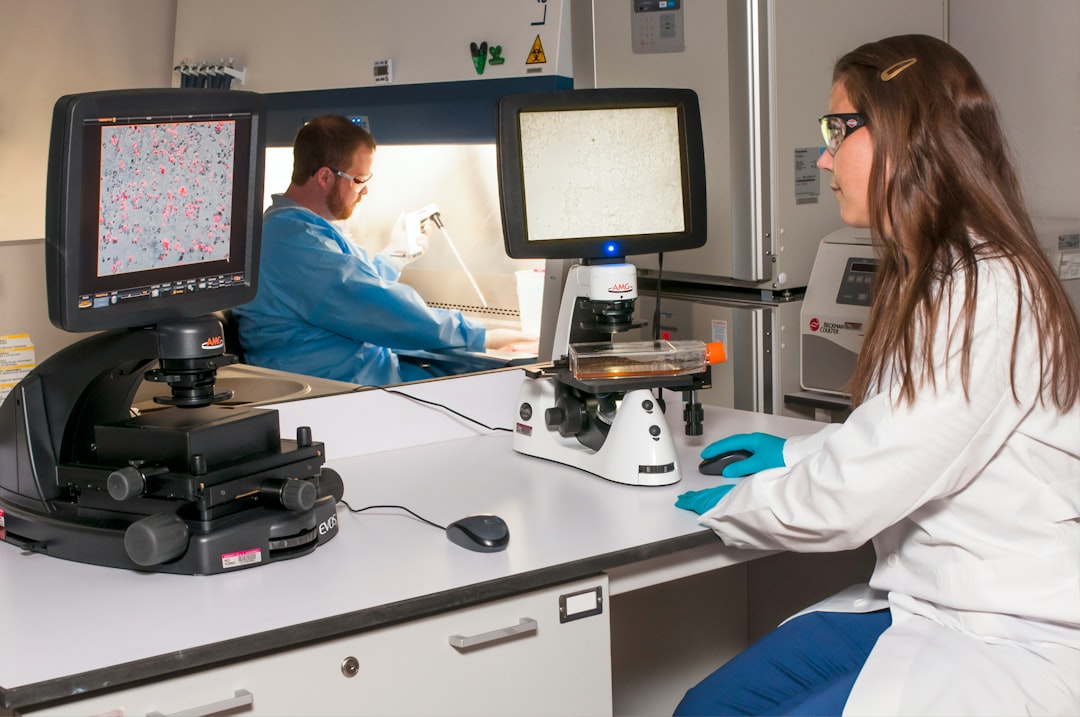
However, as the deployment of AI systems in labs expands, there will also be a need for ongoing discussions about the ethical implications of automation. Ensuring that AI is used responsibly and effectively will be crucial as research institutions navigate this new terrain. The ethical considerations surrounding AI in research are becoming increasingly important, as highlighted in discussions about the potential risks and benefits of such technologies.
You may also like
 AI & Technology
AI‑driven roles reshape skill hierarchies across the economy
A World Economic Forum estimate warns that 97 million jobs could be displaced by 2027, even as 62 million new roles emerge.
Read More →Looking ahead, the introduction of Anthropic’s MHS marks a pivotal moment in the evolution of laboratory automation. As AI continues to play a larger role in research, it is essential to consider how these technologies will shape the future of scientific inquiry. The ability of lab machines to communicate and collaborate could lead to unprecedented advancements in research capabilities.
Ultimately, the success of Anthropic’s AI system will depend on its ability to adapt to the diverse needs of researchers and the challenges they face. As the scientific community embraces these advancements, it will be crucial to maintain a balance between innovation and ethical considerations, ensuring that the future of lab automation benefits all stakeholders involved.
Frequently Asked Questions
How can lab technicians leverage AI for better experiment outcomes?
Lab technicians can leverage AI systems like Anthropic’s MHS to automate routine tasks and improve communication between instruments. This allows for faster experiment setups and minimizes human error, leading to better outcomes.
Understanding the technical requirements of different instruments will be crucial for successful implementation.
What are the implications of AI-driven lab automation for research scientists?
AI-driven lab automation can significantly enhance research efficiency by allowing scientists to focus on hypothesis testing and data analysis. As AI manages logistics, scientists can explore innovative research avenues with increased time and resources.

What should automation engineers consider when implementing AI systems in labs?
Automation engineers should consider the specific programming needs of lab machines and ensure that AI systems can effectively manage these tasks. Understanding the technical requirements of different instruments will be crucial for successful implementation.
You may also like
 AI & Technology
10 Billion AI Agents Transform Public Services and Business Operations
The integration of over 10 billion AI agents into public services and business operations by 2030 is poised to revolutionize service delivery and redefine global…
Read More →