No products in the cart.

Tea output slips, exports drop in January-July 2026
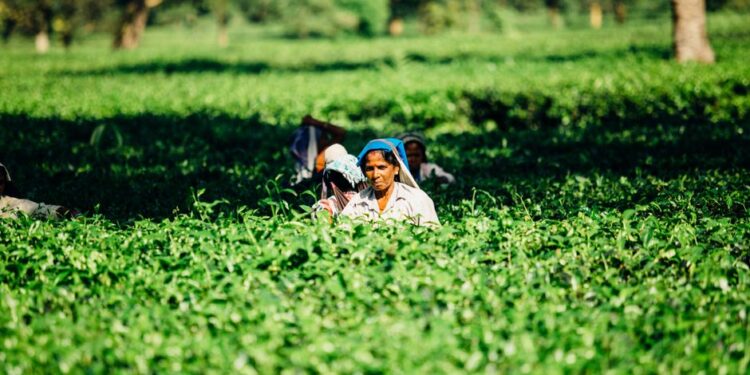
India's tea production has declined by 1.7% year-on-year, reaching 658.3 million kg during the first half of 2026. The drop in production and exports is a major concern for local farmers and exporters, prompting stakeholders to rethink their strategies.

India’s tea production has dropped by 1.7% year-on-year. It reached 658.3 million kg in the first half of 2026. This decline is mainly due to bad weather in key tea-growing areas. Consequently, tea exports have also fallen sharply, down 16.11% to 128.56 million kg. These changes are impacting tea producers and exporters across the country.
The decrease in production and exports is a major worry for local farmers and exporters. The United Planters’ Association of Southern India (UPASI) reported a 4.4% drop in South India. North India saw a smaller decline of 0.9%. This situation has led many stakeholders to rethink their strategies to reduce losses and adapt to the market. A report from The Hindu suggests that these declines may have long-term effects on tea growers’ livelihoods and the economy of tea-producing areas.
Impact on Local Farmers and Exporters
The drop in tea output directly impacts local farmers. Many rely on tea as their main income source. With lower production, farmers may earn less, leading to financial stress. Rising costs for cultivation and labor make it harder for small producers to survive. The Tea Board of India has noted these challenges, stating that many farmers may struggle to cover their costs as prices fall and competition rises.
Additionally, the decline in exports means tea exporters face a tougher market. Many are under pressure to change their pricing to attract buyers. This is critical as global tea demand shifts, with consumers trying more alternative beverages. The challenge is to balance quality and cost while keeping operations sustainable. Industry analysts warn that the drop in exports could lead to major changes in the industry. Exporters may need to diversify their products and focus on specialty teas that can fetch higher prices.
As more producers gain certification, new growth opportunities may arise in the specialty tea sector.
The Tea Board of India has started a certification program to improve the quality of specialty teas from small growers. This program aims to enhance market access and recognition for Indian teas, possibly offsetting some export losses. As more producers gain certification, new growth opportunities may arise in the specialty tea sector. The certification process seeks to raise the standard of Indian teas and improve their position in international markets, where quality is crucial.
Shifts in Consumer Demand and Market Strategy
As tea production declines, consumer preferences are changing. Many are now exploring alternative beverages, which challenges the traditional tea market. This trend is especially noticeable in urban areas, where health-conscious consumers prefer herbal teas and non-caffeinated drinks. Recent trends show a rising demand for organic and specialty teas, prompting producers to rethink their marketing strategies.
You may also like
 Industry & Global Trends
US-China Deliverables Gap Meets Expectations
The stalled US-China trade negotiations have significant implications for global markets and business strategies. As analysts reassess forecasts, the uncertainty surrounding future agreements complicates planning…
Read More →To adapt, tea producers and exporters need to revise their marketing approaches. Highlighting the health benefits of tea and promoting unique flavors can attract new customers. Using online platforms for direct sales can improve visibility and reach, allowing producers to connect with consumers better. E-commerce is becoming vital in the tea market, enabling producers to bypass traditional channels and engage directly with buyers, which can boost profit margins.
Career Ahead research shows that innovative marketing and product diversification are key to revitalizing the tea industry. By focusing on organic and specialty teas, producers can reach a wider audience and potentially increase their market share. As global tea demand changes, Indian exporters should look for new markets. Countries with growing middle classes may offer profitable opportunities. Targeted marketing campaigns that showcase Indian tea’s unique qualities can help attract these consumers.
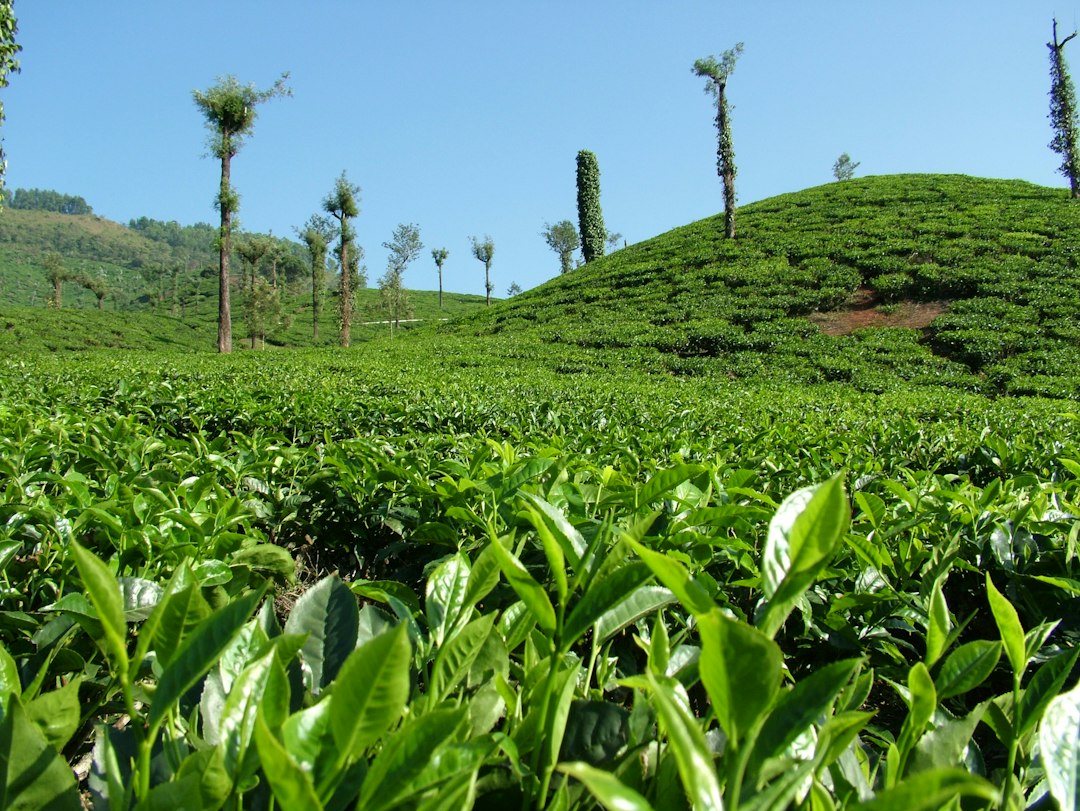
Overall, the current situation presents both challenges and opportunities for the Indian tea industry. By adapting to changing consumer preferences and exploring new markets, producers and exporters can tackle the issues of declining production and exports. Stakeholders must stay alert to ongoing changes in the tea market. The potential for recovery depends on their ability to innovate and meet consumer demands effectively. As the industry evolves, it will be crucial to watch how these changes affect local farmers and the broader export market.
Career Ahead research shows that innovative marketing and product diversification are key to revitalizing the tea industry.
Frequently Asked Questions
What are the reasons for the decline in tea production in India?
The decline in tea production in India is mainly due to bad weather in key tea-growing areas. These conditions have led to lower yields and reduced overall output.
How can tea exporters adapt to the changing market conditions?
Tea exporters can adapt by diversifying their products and focusing on specialty teas for niche markets. They should also use online platforms for direct sales to boost visibility and consumer engagement.

What strategies should tea producers implement to mitigate losses from reduced output?
You may also like
 Industry & Global Trends
Hitachi Energy Powers India’s Energy Sector Growth
India's energy sector is poised for significant transformation, with Hitachi Energy at the forefront. As demand for renewable energy escalates, this article explores the investment…
Read More →Tea producers should join certification programs to improve product quality. Innovative marketing that highlights tea’s health benefits can attract new consumers and increase sales.