No products in the cart.

AI Data Centers Face Power Struggles, Community Backlash
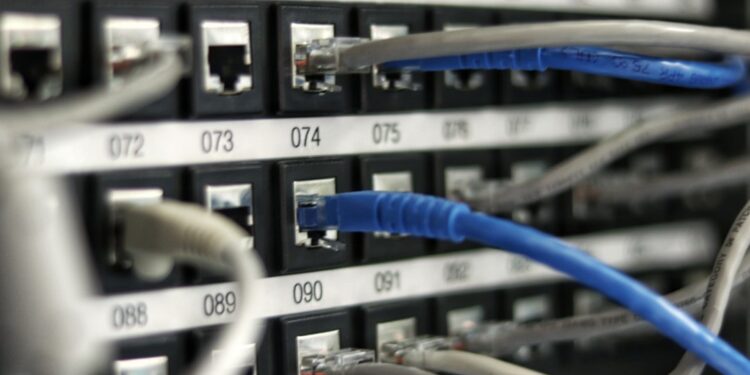
AI data centers are expanding rapidly, raising concerns about energy consumption, environmental impact, and community backlash. This article explores the controversies surrounding these facilities and their implications for local communities and the tech industry.

AI Data Centers: A Growing Necessity
AI data centers are becoming the backbone of modern technology. As companies increasingly rely on artificial intelligence, the demand for data processing power has skyrocketed. This surge in demand has led to the rapid construction of new data centers across the United States. However, this expansion comes with significant challenges, particularly regarding energy consumption and community impact.
The scale of these facilities is staggering. For instance, a new data center project in Utah is set to cover 40,000 acres and consume over 9 gigawatts of power—more than double the current total power consumption of the state. Such ambitious projects raise questions about sustainability and local infrastructure.
According to a recent survey by Pew Research Center, 43% of Americans blame data centers for rising utility costs. This statistic highlights the growing public concern regarding the economic implications of these facilities. As communities grapple with higher electricity bills, the backlash against data centers is becoming increasingly palpable.
Energy Consumption and Environmental Concerns
The energy demands of AI data centers are at the heart of the controversy. As these facilities expand, they require vast amounts of electricity, which often leads to increased pressure on local power grids. In many cases, this results in higher utility bills for residents, particularly in regions where energy resources are already strained.
According to a recent survey by Pew Research Center, 43% of Americans blame data centers for rising utility costs.
Moreover, the environmental impact of these data centers cannot be overlooked. Critics argue that the construction and operation of such facilities contribute to pollution and climate change. The NAACP has raised concerns about the environmental justice implications of data centers, especially those situated in low-income or minority communities, arguing that these facilities often exacerbate existing inequalities.
In response to these challenges, some policymakers are advocating for greater transparency regarding energy usage in data centers. A bipartisan group of senators has called for mandatory energy usage surveys for these facilities, aiming to provide clearer data on their energy consumption, which is essential for effective grid planning and management.
You may also like
 Entrepreneurship & Business
Marico Boosts Plix Stake to 84.09%; Q2 Revenue Surge Ahead
Marico has increased its stake in Satiya Nutraceuticals to 84.09%, a strategic move expected to enhance revenue growth amid rising consumer demand for health-focused products.…
Read More →
Political Resistance and Community Concerns
The rapid expansion of AI data centers has sparked significant political backlash. In states like Georgia, local voters have expressed strong opposition to new data center projects, with nearly half of the population opposing such developments. This resistance reflects a broader trend of community pushback against the perceived negative impacts of these facilities.
Local governments are increasingly caught in the crossfire between tech companies seeking to build new data centers and residents concerned about their impact. For example, in Box Elder County, Utah, a planned hyperscale data center has faced intense scrutiny from the community. Despite local outcry, the project was approved, raising questions about the decision-making processes that prioritize corporate interests over community well-being.
Economic Implications for the Tech Industry
The tech industry stands to gain significantly from the expansion of AI data centers. These facilities are essential for processing large amounts of data, enabling advancements in artificial intelligence and machine learning. However, the economic benefits come with caveats, particularly regarding energy costs and infrastructure requirements.
These facilities are essential for processing large amounts of data, enabling advancements in artificial intelligence and machine learning.
Many tech companies have begun to recognize the potential backlash against rising electricity prices. In response, several major players, including Amazon and Microsoft, have signed a “ratepayer protection pledge” to help mitigate the impact of their energy consumption on local communities. This pledge includes commitments to invest in new energy sources to support their data centers, which could alleviate some pressure on local power grids.

Future Considerations for Sustainable Development
The future of AI data centers will hinge on how effectively stakeholders can address the growing concerns surrounding energy consumption and community impact. As technology continues to evolve, the demand for data processing power will only increase, presenting both opportunities and challenges for the industry.
You may also like
 Entrepreneurship & Business
College Students Shape the Future of A.I. Investment
College students are increasingly influencing the A.I. investment landscape, with initiatives like Dorm Room Fund raising substantial capital. This shift highlights the growing importance of…
Read More →Policymakers, tech companies, and communities must collaborate to develop sustainable solutions that meet the needs of all parties involved. This could involve investing in renewable energy sources, improving energy efficiency in data centers, and implementing stricter regulations on energy consumption. By prioritizing sustainability, stakeholders can help ensure that the benefits of AI technology do not come at the expense of local communities.