No products in the cart.

AI Disrupts Manufacturing and Customer Service Jobs

Recent data indicates that AI is set to replace millions of jobs across various industries, with manufacturing and customer service standing out as particularly vulnerable sectors.

AI is rapidly transforming the job market, particularly in sectors like manufacturing and customer service. As automation technologies advance, many workers are facing job displacement. This shift raises urgent questions about the future of work and the support systems necessary for affected employees.
Recent data indicates that AI is set to replace millions of jobs across various industries, with manufacturing and customer service standing out as particularly vulnerable sectors. According to Career Ahead’s analysis of builtin.com, roles in manufacturing are increasingly automated, leading to significant job losses. Customer service roles are also seeing a decline as chatbots and AI-driven solutions take over tasks previously handled by human agents.
Impact of Automation on Manufacturing Jobs
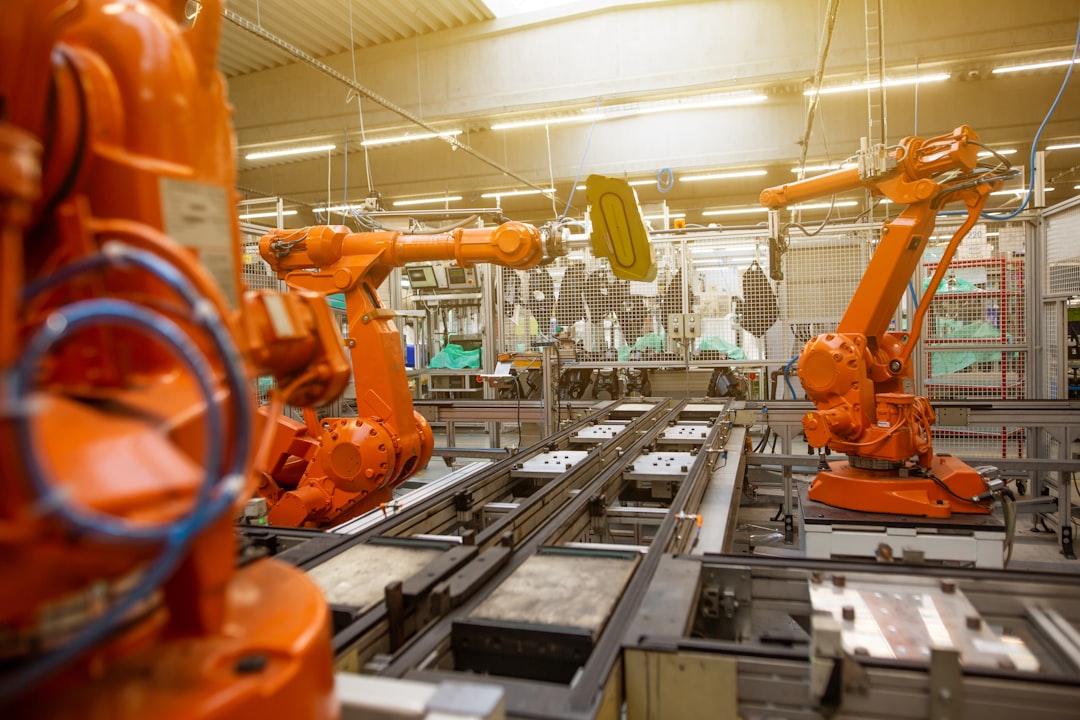
The manufacturing industry has been at the forefront of automation for years. With the integration of AI technologies, many tasks that were once performed by human workers are now being done by machines. For instance, robots can now handle assembly line tasks with greater efficiency than human workers, leading to a reduction in the workforce.
Career Ahead research shows that around 40% of manufacturing jobs could be at risk of automation by 2030. This trend is alarming for workers who rely on these jobs for their livelihoods. The implications are not just immediate job losses; they extend to the economy as a whole, affecting consumer spending and local communities.
Furthermore, the World Economic Forum has highlighted that while automation can lead to job losses, it can also create new roles, particularly in AI oversight and management. However, the challenge lies in ensuring that displaced workers have access to reskilling programs that can help them transition into these new roles.
As companies increasingly adopt AI technologies, there is a pressing need for effective retraining programs. Career Ahead’s analysis identifies that many manufacturing workers are unaware of the reskilling options available to them. This gap in knowledge can hinder their ability to adapt to the changing job landscape.
Career Ahead’s analysis identifies that many manufacturing workers are unaware of the reskilling options available to them.
To address this issue, partnerships between industry leaders and educational institutions are essential. By creating tailored training programs that equip workers with the necessary skills, the manufacturing sector can mitigate the impact of job displacement. Workers must be proactive in seeking out information about these opportunities to ensure they remain competitive in the job market.
The Changing Landscape of Customer Service
Customer service roles are undergoing a significant transformation due to AI advancements. Chatbots and virtual assistants are now commonplace, handling everything from simple inquiries to complex customer interactions. This shift has raised concerns about job security for customer service agents.
According to linkedin.com, many customer service jobs are at risk of being automated, with estimates suggesting that up to 30% of these roles could be replaced by AI technologies by 2025. This trend is particularly concerning for younger workers entering the job market, who may find fewer opportunities available to them.
Career Ahead’s analysis finds that while AI can enhance customer service efficiency, it also necessitates a reevaluation of the skills required in this field. Workers need to develop competencies in AI management and oversight to remain relevant. This shift in skill requirements highlights the importance of reskilling programs tailored to the needs of customer service agents.

Moreover, as AI continues to evolve, new roles will emerge that focus on managing and improving AI systems in customer service settings. Workers who can bridge the gap between technology and human interaction will be in high demand. This creates an opportunity for those willing to adapt and learn.
By offering reskilling opportunities, businesses can not only support their employees but also enhance their overall service quality.
In response to these changes, companies must invest in training programs that help customer service agents transition to these emerging roles. By offering reskilling opportunities, businesses can not only support their employees but also enhance their overall service quality.
Why Support Systems Are Essential
The ongoing shift towards automation in both manufacturing and customer service underscores the need for robust support systems for displaced workers. Career Ahead has identified that many workers are unaware of the resources available to them, leading to a skills gap that can exacerbate job loss consequences.
Governments and organizations must prioritize the development of reskilling initiatives that are accessible to all workers. This includes funding for training programs, partnerships with educational institutions, and awareness campaigns that inform workers about their options. Without these support systems, many workers may struggle to find new employment opportunities.
Furthermore, the economic implications of widespread job displacement could be significant. A decrease in consumer spending due to job loss could lead to a slowdown in economic growth. It is crucial for policymakers to consider these factors when developing strategies to support workers affected by automation.
As the landscape of work continues to change, the focus must remain on ensuring that workers are equipped to navigate these challenges. The future of work will likely involve a blend of human and AI collaboration, and those who can adapt will thrive.
The future of work will likely involve a blend of human and AI collaboration, and those who can adapt will thrive.
The question remains: how will industries and governments respond to the growing demand for reskilling programs? The urgency of this issue cannot be overstated, as the workforce must be prepared for the changes that lie ahead.
Frequently Asked Questions
What reskilling options are available for manufacturing workers?
Manufacturing workers can access various reskilling programs that focus on technology and automation. Training in areas such as robotics, AI management, and data analysis is crucial for adapting to the evolving job market.
How can customer service agents transition to new roles after AI implementation?
Customer service agents can transition to new roles by developing skills in AI oversight and management. Companies should offer training programs that equip them with the necessary competencies to work alongside AI technologies.

What should manufacturing workers do about the rise of automation?
Manufacturing workers should actively seek reskilling opportunities to stay competitive in the job market. Engaging in training programs focused on new technologies will help them adapt to the changing landscape.
Written by Career Ahead AI. AI can make mistakes, so verify key facts. Report errors to support@careeraheadonline.com.