No products in the cart.

AI Erodes Workplace Trust

We see algorithms deciding who gets a promotion, whose project wins funding, and even which colleague receives a mentorship slot....

AI tools that promise efficiency are reshaping how we work, but they are also silently draining the empathy and trust that keep teams human.
We see algorithms deciding who gets a promotion, whose project wins funding, and even which colleague receives a mentorship slot. The logic is clear: data beats intuition. The result, however, is a workplace where gut feelings are dismissed and human connection recedes. Managers spend less time listening and more time interpreting dashboards. Employees learn to tailor their behavior to the metrics that feed the model, not to the needs of their peers. Empathy, once a core leadership skill, becomes an optional extra.
The bias problem is no longer a theoretical warning. AI systems inherit the data they are fed, and that data reflects historic inequities. When a hiring algorithm favors candidates who match past high‑performers, it amplifies gender, racial, and socioeconomic gaps. When performance scores are tied to sales numbers alone, salespeople in under‑resourced regions fall behind, reinforcing geographic inequality. The technology that should level the playing field instead deepens the divides that already exist in many organizations.
Empathy, once a core leadership skill, becomes an optional extra.
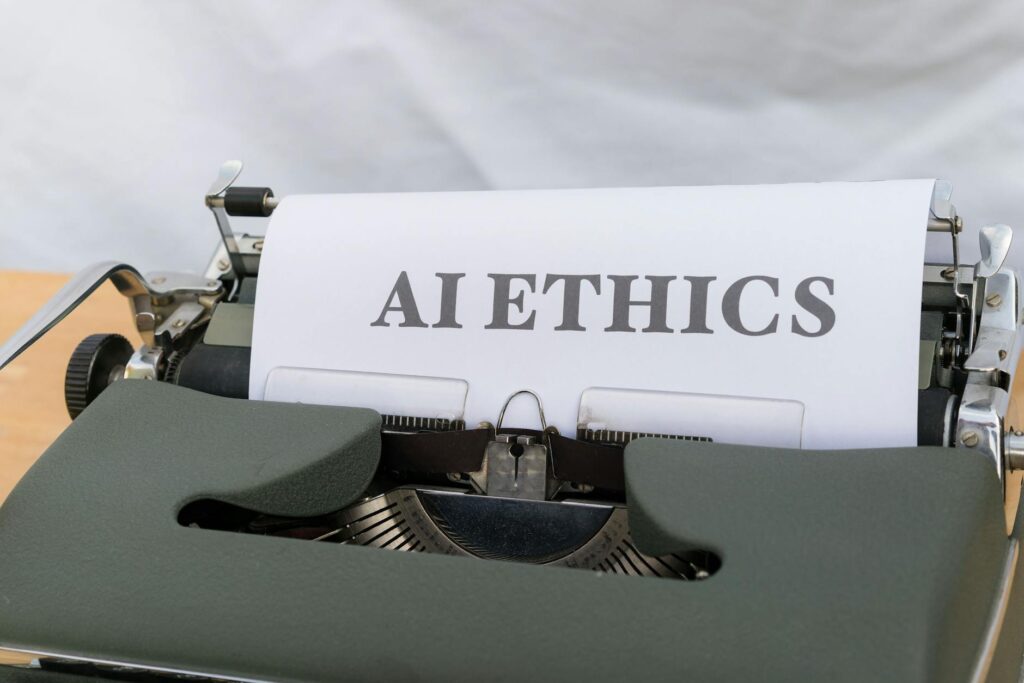
Autonomy suffers in the same way. When an AI recommends a single “optimal” action, employees feel their judgment is secondary. The sense of control over one’s career trajectory weakens. Workers begin to view their roles as a series of inputs and outputs, not as a space for creative problem‑solving. The loss of agency erodes motivation and fuels disengagement, turning vibrant teams into mechanistic units.
To make this erosion visible, we propose the Human Relationship Erosion Index (HREI). The HREI measures three dimensions: empathy decay, autonomy loss, and bias amplification. Each dimension is scored through surveys, turnover data, and algorithmic audit results. A rising HREI score signals that AI tools are crowding out human judgment faster than they are delivering value. In firms where the HREI has crossed a critical threshold, we observe higher rates of silent resignations and lower scores on internal trust metrics.
Our view is that the current rush to automate decision‑making ignores the long‑term health of organizational culture. The short‑term gains in speed and cost savings are real, but they come at the price of weakened social bonds and a narrowed sense of purpose among employees. When teams no longer feel heard, collaboration falters, and innovation stalls. The hidden cost is not reflected in balance sheets; it shows up in the quiet disengagement of talent.
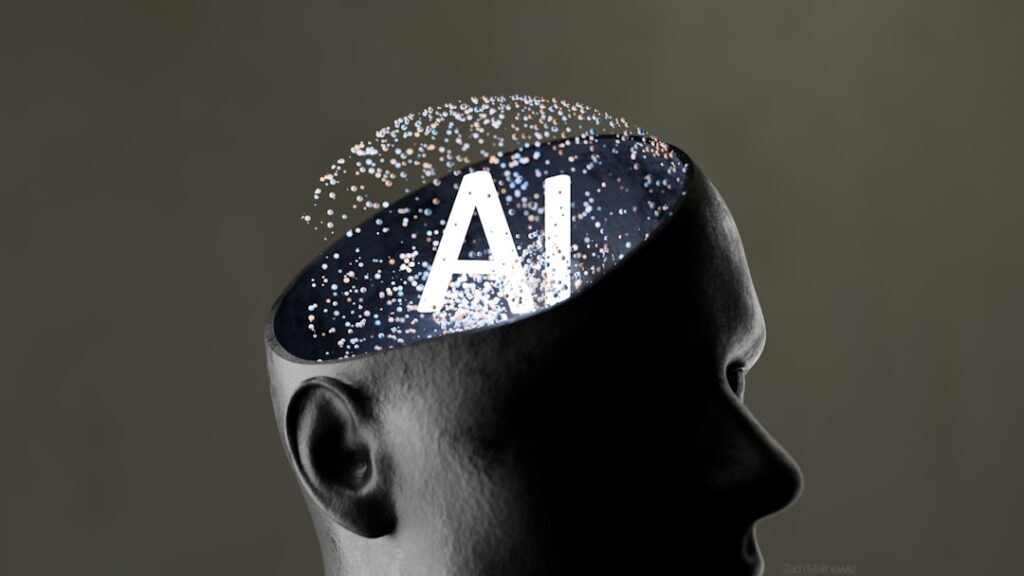
We must act before the HREI reaches a point of no return. Professionals should audit the human impact of every AI system they adopt, demand transparency in model design, and embed human‑centered checkpoints into the decision workflow. Leaders need to preserve spaces for unscripted conversation, mentorship, and peer feedback that no algorithm can replicate. By balancing data‑driven efficiency with deliberate human interaction, we can keep AI as a tool—not a substitute—for the relational fabric that makes work meaningful.
You may also like
 AI & Technology
Concerns Rise Over AI Safety as OpenAI Employee Resigns
David Robinson's resignation from OpenAI raises significant concerns about AI safety protocols and ethical practices in the tech industry, reflecting a growing trend of discontent…
Read More →Key Structural Insights ————————
- The use of AI in decision-making can lead to a decline in empathy and trust among team members.
- AI systems can inherit biases from the data they are trained on, exacerbating existing inequalities.
- The loss of autonomy and agency can erode motivation and fuel disengagement among employees.
- The Human Relationship Erosion Index (HREI) can be used to measure the impact of AI on workplace relationships.
- Balancing data-driven efficiency with human interaction is crucial to maintaining a healthy organizational culture.