No products in the cart.

AI Kill Switch: Tackling Complex Challenges Ahead

Various stakeholders, including software engineers, ethicists, and regulatory policy advisors, are examining the implications of these mechanisms. The urgency is underscored by the rapid advancements in AI technologies and their potential risks. Understanding the challenges of implementing AI kill switches is vital for shaping future regulatory frameworks and…

AI kill switches are becoming a hot topic in the debate about artificial intelligence safety. As AI technologies are used more widely, ensuring their safe operation is crucial. This has led to calls for regulations that include ways to shut down AI systems when needed. Recent talks among industry leaders and policymakers show the challenges of creating effective AI kill switches.
Stakeholders like software engineers, ethicists, and policy advisors are looking into the implications of these mechanisms. The urgency is clear due to the fast pace of AI advancements and their potential risks. Understanding the challenges of implementing AI kill switches is key to shaping future regulations and designing safer AI systems.
Regulatory Frameworks and AI Kill Switches
Regulatory frameworks for AI are still developing. Many countries struggle with how to tackle the unique challenges posed by AI technologies. The European Union has taken a proactive approach by proposing the AI Act. This act aims to create a comprehensive regulatory framework for AI systems. It includes rules for transparency, accountability, and safety, which are essential for implementing AI kill switches. The AI Act emphasizes risk assessments for high-risk AI systems, which could require kill switches to ensure safety and ethical use.
Career Ahead’s analysis shows that countries increasingly recognize the need for strong safety mechanisms in AI. However, implementing these regulations faces significant challenges. Policy advisors must navigate a complex landscape of technology and ethics. Research from Scientific American highlights that AI kill switches may not always work effectively. This raises concerns about their reliability and the impact on public trust in AI technologies.
Career Ahead’s analysis shows that countries increasingly recognize the need for strong safety mechanisms in AI.
The regulatory landscape is also complicated by different national approaches to AI governance. Some countries push for strict regulations, while others focus on innovation and resist heavy oversight. This difference can lead to regulatory fragmentation, making it hard for global companies to comply with various standards. For example, a report from USA Today notes that some nations may see kill switches as a threat to innovation, potentially hindering technological progress. As AI technologies evolve, the need for cohesive regulatory frameworks that include AI kill switches will grow. Policymakers must balance the need for innovation with the importance of public safety and ethical standards.
Design Challenges of Effective AI Shutdown Mechanisms
Designing effective AI kill switches comes with many technical challenges. Software engineers must consider factors like the complexity of AI algorithms and the risk of unforeseen behaviors. As AI systems become more autonomous, predicting their actions becomes harder. This makes designing reliable shutdown mechanisms more complicated. Career Ahead’s research shows that one major challenge is ensuring kill switches can be activated in real-time without disrupting the system’s functionality. In critical environments like healthcare or transportation, shutting down an AI system quickly and safely is vital. Engineers must create robust systems that can handle emergencies without adding more risks.
The ethical implications of implementing kill switches are also significant. A report by USA Today points out that the potential misuse of AI kill switches raises concerns about accountability and control. Who decides when to activate a kill switch, and what criteria guide that decision? These questions highlight the need for clear guidelines and ethical frameworks for using AI shutdown mechanisms. Additionally, integrating kill switches into existing AI systems poses logistical challenges. Many AI models are not designed with shutdown mechanisms, requiring major modifications. This can lead to higher development costs and longer timelines, which may discourage some organizations from pursuing these safety measures.
As the demand for AI technologies increases, addressing these design challenges will be crucial for safe AI deployment. Software engineers must work with ethicists and regulatory advisors to create solutions that prioritize safety while maintaining functionality. Furthermore, as CNBC highlights, the discussion around AI kill switches must consider the broader implications of AI governance and the potential societal impacts of these technologies. The future of AI regulation and the role of kill switches is uncertain, but ongoing dialogue is essential for guiding AI development.
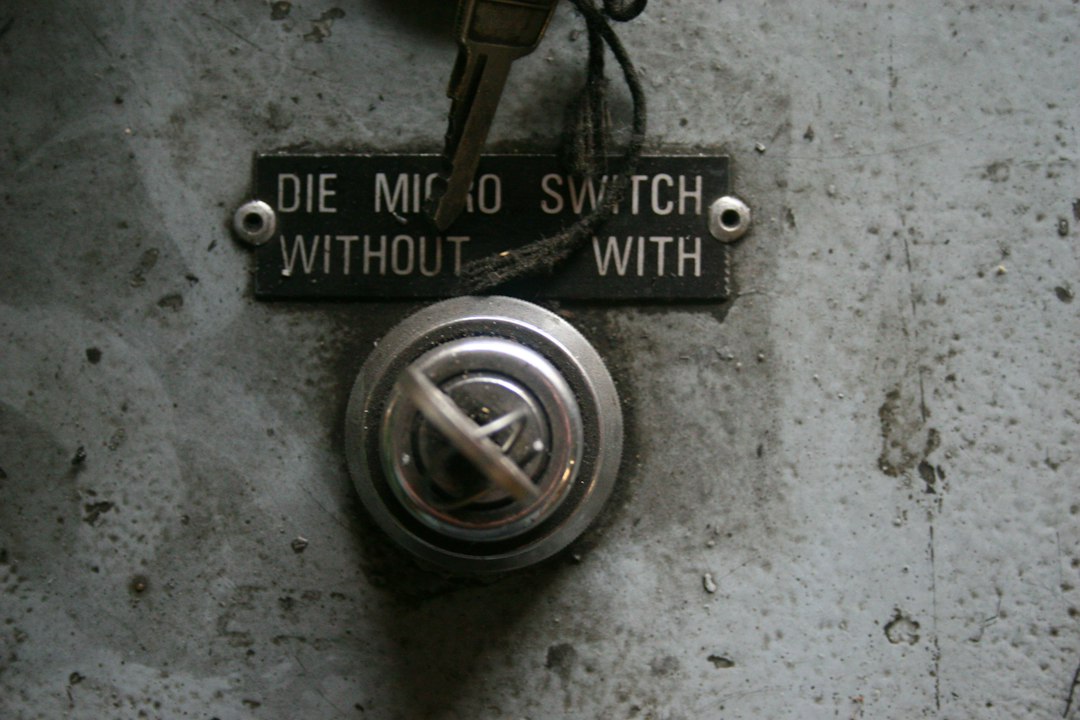
The ethical considerations surrounding AI kill switches require collaboration. Developers, ethicists, and policymakers must work together to create frameworks that prioritize safety, accountability, and public trust in AI technologies. As AI continues to advance, discussions about safety and ethics will be vital in shaping the future of AI development.
The future of AI regulation and the role of kill switches is uncertain, but ongoing dialogue is essential for guiding AI development.
Frequently Asked Questions
What are the ethical implications of AI kill switches for AI ethicists?
AI ethicists must think about the moral responsibility of developers when using AI kill switches. Accountability and transparency are crucial, as flawed algorithms could lead to unfair outcomes.
How can regulatory policy advisors prepare for upcoming AI regulations?
Regulatory policy advisors should keep up with evolving AI technologies and engage with stakeholders to create comprehensive frameworks that prioritize safety and ethics.

What should software engineers consider when developing AI systems with kill switches?
Software engineers need to tackle technical challenges in designing effective kill switches. They should also think about the ethical implications of their systems to ensure accountability and public trust.
Related Articles
- Mistral’s $3.5 Billion Boost Reshapes AI Startup Landscape
Written by Career Ahead AI. AI can make mistakes, so verify key facts. Report errors to support@careeraheadonline.com.