No products in the cart.

AI Layoffs Expose Tech Industry Vulnerabilities

The tech industry is facing a wave of layoffs, with AI being cited as a primary reason. This trend raises questions about job security for software engineers and data analysts. Career Ahead's analysis reveals how AI is reshaping roles and the skills needed in the tech workforce.

In 2026, the tech sector has seen over 113,000 job cuts. Executives say many of these layoffs are due to advancements in artificial intelligence (AI). Major companies are using AI tools to improve efficiency, which has reduced the need for workers. This trend raises concerns about job security for software engineers and data analysts as the industry adapts to new technologies.
As AI evolves, the story around job cuts is changing. Some executives claim AI boosts productivity, but many workers believe layoffs are more about cutting costs. This situation has sparked debates among industry experts and workers about AI’s true impact on jobs.
The AI Justification for Layoffs
Career Ahead’s analysis of data from techjournal.org shows that AI-related layoffs are not just a temporary trend. They represent a significant shift in how tech companies operate. As companies invest in AI, they automate tasks that used to require human input. For example, AI tools now handle data reporting and analysis, reducing the need for data analysts and entry-level software engineers.
According to programs.com, many companies have stated that AI helps them streamline operations and cut staff. This has led to fears among tech workers that their jobs could be next. Entry-level positions are particularly vulnerable, as they are often the first to be automated. As firms seek to cut costs, they rely more on AI to do more with less.
The implications for software engineers are significant. As AI tools become more advanced, some coding skills may become outdated. Basic programming tasks that once needed human input are now handled by AI systems. This shift means engineers must focus on complex problem-solving and oversight roles to remain relevant.
Many professionals worry that the demand for their skills will decrease as AI evolves.
Moreover, the fear of job loss is strong within the tech community. Many professionals worry that the demand for their skills will decrease as AI evolves. This anxiety grows as companies not only lay off workers but also hire fewer new employees to maximize AI use.
You may also like
 Industry & Global Trends
AI Talent Race Between US and China Is the Next Battleground
The competition for AI talent between the US and China is growing, with significant implications for job opportunities and recruitment strategies in the field. The…
Read More →As AI integrates into various functions, the tech labor market will likely change further. Companies that once relied on large workforces may now prioritize hiring AI specialists and data scientists over traditional software engineers. This shift could lead to a significant reallocation of jobs within the tech sector.
Changing Roles and Job Security
The integration of AI into the workplace is not just about job cuts; it also changes job roles. As companies adopt AI tools, the nature of work is evolving. Software engineers are now expected to manage and oversee AI systems rather than just write code. This shift requires new skills, including AI knowledge and data management expertise.
Career Ahead research finds that while AI may reduce some jobs, it also creates new opportunities. Roles focused on AI oversight and management are becoming more critical. Companies want professionals who can ensure AI systems operate effectively and ethically. This change means workers must actively acquire new skills to stay competitive.
Data analysts face similar challenges. With AI automating routine reporting tasks, the demand for traditional data analysis skills is decreasing. However, there is a growing need for analysts who can interpret complex data generated by AI systems. This requires a shift from basic data analysis to strategic insights and decision-making capabilities.
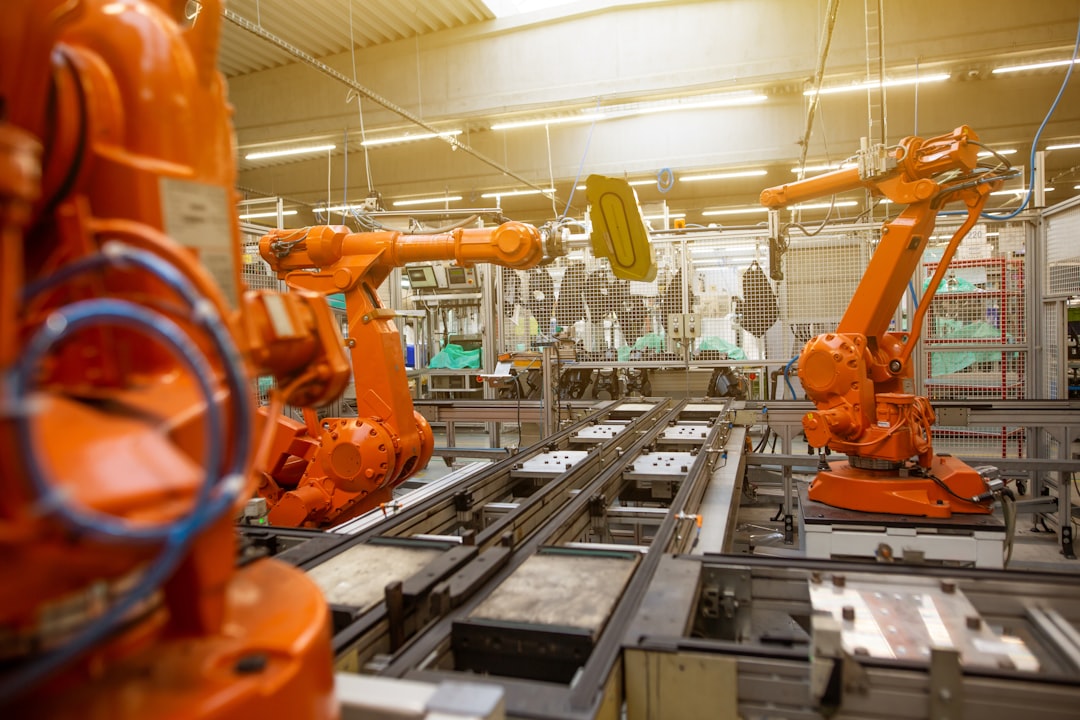
As the landscape shifts, workers must recognize which skills are becoming obsolete.
As the landscape shifts, workers must recognize which skills are becoming obsolete. For software engineers, languages and frameworks that do not align with AI development may pose a risk. Instead, engineers should focus on learning languages and tools that complement AI technologies to stay relevant in the job market.
You may also like
 Industry & Global Trends
Hormuz Crude Oil Exports Near Pre-War Levels
The return to pre-war export levels is crucial as it indicates a stabilization in the oil market. Producers and shipping industries have adapted by employing…
Read More →As companies embrace AI, the tech workforce must adapt. Understanding and working alongside AI will be crucial for job security in the future. Workers who leverage AI to boost their productivity will likely find themselves in a better position than those who resist these changes.
While the immediate future may seem uncertain for many in tech, the long-term effects of AI integration could lead to a more dynamic workforce. Companies that navigate this transition well will likely emerge stronger, while those that fail to adapt may struggle.
The current wave of layoffs raises important questions about the future of work in the tech industry. As AI evolves, how will companies balance the need for efficiency with their responsibility to workers? The answer to this question will shape the tech landscape for years to come.
Frequently Asked Questions
What does the rise of AI mean for software engineers?
Career Ahead analysis shows that software engineers may face a shift in job roles. There will be increasing demand for skills in AI management and oversight. As basic coding tasks become automated, engineers must adapt to remain relevant.
Career Ahead suggests that software engineers focus on learning new technologies and frameworks that align with AI development.
How can data analysts adapt to AI advancements?
Data analysts should focus on developing skills to interpret complex data generated by AI systems. This includes enhancing their strategic insight capabilities to provide value beyond routine reporting.

What should software engineers do about the threat of AI in their job market?
You may also like
 Industry & Global Trends
Man Charged
A US national has been charged with illegally exporting Nvidia chips to China, raising significant compliance and legal concerns in the semiconductor industry.
Read More →Career Ahead suggests that software engineers focus on learning new technologies and frameworks that align with AI development. Staying updated on industry trends will be crucial for job security.