No products in the cart.

AI-Powered Robotics Transforming Agricultural Careers

AI robotics are revolutionizing agriculture, transforming labor roles and creating new career opportunities in the sector. Learn more about this shift.



Salinas, California — The agricultural landscape is undergoing a seismic shift as artificial intelligence (AI) and robotics redefine farming practices. With the global population projected to reach 9.7 billion by 2050, the demand for food is escalating, pushing farmers to adopt innovative technologies to enhance productivity and efficiency. AI-powered robots are at the forefront of this transformation, fundamentally altering the dynamics of farm labor.
This shift is crucial not only for the agricultural industry but also for the workforce reliant on it. As traditional farming roles evolve, new opportunities are emerging, necessitating a reevaluation of skills and training in the sector.
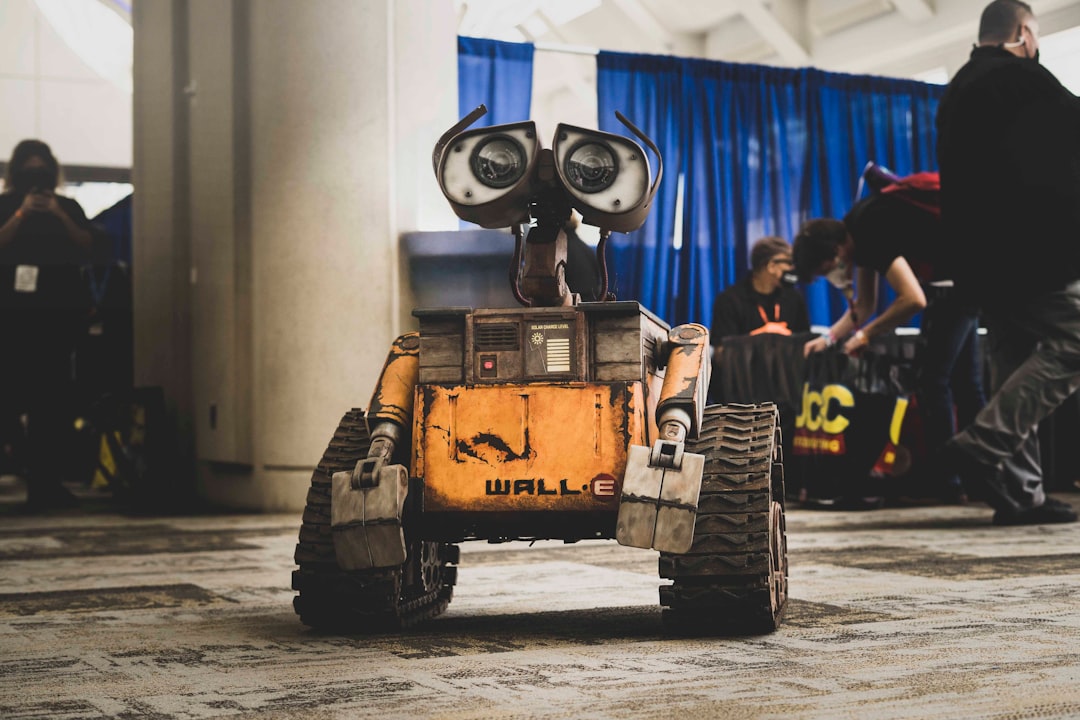
Robotics in agriculture is not a futuristic concept; it is already a reality. Companies like Trimble and John Deere are leading the charge, integrating AI with robotic systems to automate tasks such as planting, harvesting, and crop monitoring. According to a report by MarketsandMarkets, the agricultural robotics market is expected to grow from $5.8 billion in 2020 to $20.6 billion by 2025, reflecting a compound annual growth rate (CAGR) of 28.2%[1].
As these technologies proliferate, the implications for farm labor are significant. Traditional roles are being redefined, with many tasks becoming automated. For instance, robots equipped with AI can now analyze soil conditions, optimize irrigation, and even detect pests more efficiently than human workers. This not only enhances productivity but also reduces the physical strain on farm laborers, who often work in challenging conditions.
According to a report by MarketsandMarkets, the agricultural robotics market is expected to grow from $5.8 billion in 2020 to $20.6 billion by 2025, reflecting a compound annual growth rate (CAGR) of 28.2%[1].
However, the rise of AI in agriculture brings both opportunities and challenges. While automation can lead to increased efficiency, it also raises concerns about job displacement. A report by the McKinsey Global Institute estimates that by 2030, up to 30% of jobs in agriculture could be automated, potentially displacing millions of workers[2].
To address these challenges, the agricultural sector must prioritize workforce development. Educational institutions, governments, and industry stakeholders need to collaborate on training programs that equip workers with the necessary skills to thrive in a tech-driven environment. The need for expertise in robotics, data analysis, and AI management will become paramount.
You may also like
 Entrepreneurship & Business
College Students Shape the Future of A.I. Investment
College students are increasingly influencing the A.I. investment landscape, with initiatives like Dorm Room Fund raising substantial capital. This shift highlights the growing importance of…
Read More →For example, the University of California, Davis, has launched initiatives focused on agricultural technology, offering courses that blend traditional farming knowledge with modern technological skills. Such programs are essential in preparing the next generation of farmers and agricultural technicians for a rapidly changing landscape.
Moreover, the integration of AI in agriculture can lead to more sustainable practices. Precision farming, enabled by AI-driven analytics, allows farmers to optimize resource usage, reducing waste and minimizing environmental impacts. This is particularly vital as climate change continues to threaten food security and agricultural viability.
Farmers are also leveraging AI to predict crop yields and manage supply chains more effectively. Companies like IBM are developing AI solutions that analyze weather patterns, soil health, and market trends, enabling farmers to make informed decisions that enhance both productivity and profitability.
Despite the promising outlook, the transition to AI-driven agriculture must be managed carefully. Policymakers need to establish frameworks that support workers during this transition, ensuring that they are not left behind as the industry evolves. Safety nets, retraining programs, and incentives for adopting new technologies should be part of a comprehensive strategy.
For example, the University of California, Davis, has launched initiatives focused on agricultural technology, offering courses that blend traditional farming knowledge with modern technological skills.
Looking forward, the role of AI in agriculture will likely continue to expand. As technology evolves, we can expect further innovations that will reshape not only how we grow food but also how we approach agricultural careers. The future will demand a workforce that is adaptable, tech-savvy, and prepared for continuous learning.
You may also like
 Entrepreneurship & Business
Earnings Must Validate AI Investments
Tiffany McGhee emphasizes the need for companies to demonstrate the effectiveness of their AI investments in earnings reports, as global AI spending is projected to…
Read More →As the agricultural sector embraces these changes, it is crucial for workers to stay informed and engaged. By actively participating in training opportunities and embracing new technologies, individuals can position themselves for success in a rapidly evolving job market. The intersection of AI and agriculture presents a unique opportunity for career growth in a sector that is vital to global sustainability.