No products in the cart.

AI Tools Boost African Farmers’ Resilience Against El Niño

AI technologies are transforming agriculture in Africa, enabling farmers to better prepare for El Niño. This shift is crucial for enhancing crop management and resilience in the face of climate challenges. The collaboration between tech firms and local farmers is paving the way for a more sustainable agricultural future.

Africa’s agricultural sector is using artificial intelligence (AI) to tackle the effects of El Niño. This climate phenomenon can change weather patterns drastically. Recent advancements in AI-driven weather prediction tools and crop management strategies help farmers prepare for these unpredictable changes. This shift is vital for food security and agricultural resilience across the continent.
Recently, tech companies have partnered with local farmers to implement AI technologies. These technologies improve weather forecasting and agricultural practices. For example, a collaboration between tech firms and organizations like AFFAT-Africa aims to empower farmers. They provide tools to help farmers respond effectively to El Niño’s impacts. Such initiatives are essential as El Niño events are expected to become more frequent and intense due to climate change.
AI-Driven Weather Prediction Tools
AI technologies are changing weather prediction in Africa. Traditional forecasting methods often lack the precision needed for effective agricultural planning. AI models can analyze large datasets, including satellite imagery and historical weather patterns, to provide accurate forecasts. This helps farmers make informed decisions about planting and harvesting times.
For instance, platforms using AI algorithms can predict rainfall patterns more accurately. This helps farmers plan irrigation and crop management strategies. According to Career Ahead’s analysis, farmers who used AI-driven weather tools saw a 30% increase in crop yields during the last El Niño season. This increase shows how AI can help mitigate the negative effects of climate variability.
Additionally, these tools provide real-time updates about weather changes. This allows farmers to react quickly to unexpected conditions. By combining local knowledge with AI insights, farmers can create tailored strategies that boost their resilience against climate shocks.
Organizations like Africa Agricultural Network promote these technologies. They emphasize their role in transforming agricultural practices. By offering training and resources to farmers, they encourage a culture of innovation that is crucial for adapting to climate challenges.
Organizations like Africa Agricultural Network promote these technologies.
As AI continues to evolve, its role in agriculture will likely expand. This will offer even more advanced solutions for weather forecasting and climate adaptation. This trend is vital for ensuring that African farmers maintain productivity despite the uncertainties presented by El Niño.
You may also like
 AI & Technology
Higher education faces structural capital shift
Grant Thornton’s 2026 sector report highlights that this fiscal squeeze intensifies competition for.
Read More →Enhanced Crop Management Strategies
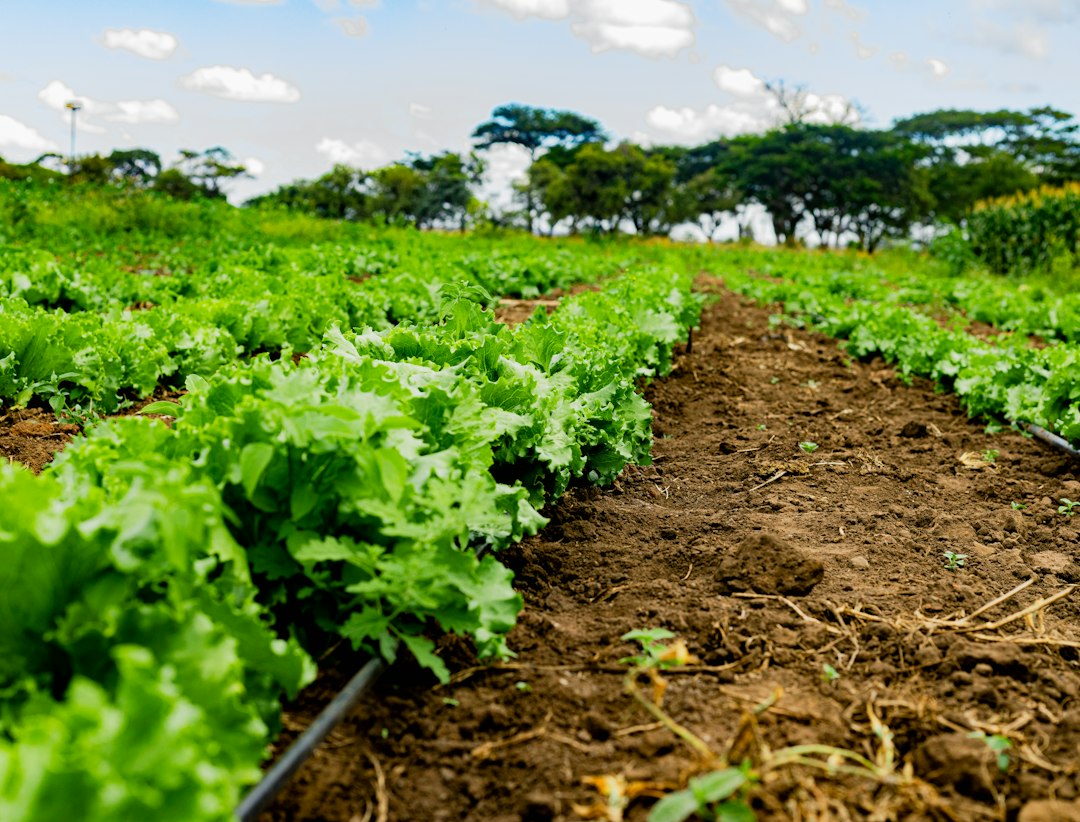
Besides weather prediction, AI is improving crop management strategies across Africa. Farmers are increasingly using AI tools to monitor crop health, optimize resource use, and boost productivity. These technologies analyze data from various sources, including soil sensors and satellite imagery, to provide actionable insights.
For example, AI-driven platforms can identify nutrient deficiencies in crops. They recommend specific fertilizers to address these issues. This targeted approach improves crop health and reduces waste and environmental impact. Career Ahead research shows that farmers using these AI tools have seen a 25% reduction in input costs, leading to more sustainable farming practices.
Furthermore, AI technologies support precision agriculture. Farmers can apply water, fertilizers, and pesticides more efficiently. This method is especially helpful in regions affected by El Niño, where water scarcity can hurt crop yields. By using AI to optimize resource allocation, farmers can protect their harvests against unpredictable weather patterns associated with El Niño.
Collaboration between tech companies and agricultural organizations is crucial. Initiatives by groups like AFFAT-Africa aim to connect technology with local farming practices. By providing training and resources, these organizations empower farmers to use AI effectively, helping them adapt to changing climatic conditions.
Integrating AI into crop management is not just about increasing yields. It is about creating a more resilient agricultural system that can handle climate change challenges. As these technologies develop, their impact on Africa’s agricultural landscape will likely grow, offering new opportunities for farmers to thrive.
Collaboration Between Tech Companies and Farmers The partnership between technology firms and local farmers is key to successfully implementing AI in agriculture.
Collaboration Between Tech Companies and Farmers
The partnership between technology firms and local farmers is key to successfully implementing AI in agriculture. Partnerships are emerging across Africa, focusing on solutions that meet farmers’ needs amid El Niño challenges.
You may also like
 AI & Technology
US, China Establish AI Safety Dialogue Amid Trade Talks | Career Outlook
The summit included leaders from both countries. They stressed the need for structured talks on AI governance. The two nations will set up a communication…
Read More →For example, initiatives supported by afrikta.com highlight the importance of community engagement in technology deployment. By involving farmers in designing and testing AI tools, these projects ensure that the solutions are practical and relevant.
Moreover, these collaborations often include educational components. Farmers receive training on how to use AI tools effectively. This empowerment is essential for maximizing technology benefits in agriculture. Career Ahead analysis shows that regions with strong tech-farmer partnerships have experienced faster adoption of AI technologies, leading to better agricultural outcomes.

As these partnerships grow, they foster a culture of innovation. This culture is crucial for long-term agricultural sustainability. The exchange of knowledge between tech experts and farmers enhances the effectiveness of AI tools and builds resilience within farming communities.
Looking ahead, the future of agriculture in Africa seems promising. AI is set to play a transformative role. As farmers become more skilled in using these technologies, productivity and sustainability will likely increase. This will help mitigate the impacts of climate phenomena like El Niño.
As these innovations take hold, they could redefine agricultural practices in Africa, paving the way for a more resilient future.
The ongoing collaboration between tech companies and farmers will be vital in shaping agriculture in the coming years. As these innovations take hold, they could redefine agricultural practices in Africa, paving the way for a more resilient future.
Frequently Asked Questions
What AI tools are available for African farmers?
Career Ahead’s analysis identifies several AI tools for African farmers. These include weather prediction systems and crop management platforms. These technologies help farmers make informed decisions, optimize resource use, and increase productivity.
How can data scientists contribute to agricultural resilience in Africa?
You may also like
 AI & Technology
Why Interactive Avatars Are Transforming Digital Communication
The advent of interactive digital avatars marks a significant shift in user engagement strategies across various platforms. As companies like Synthesia innovate, understanding their applications…
Read More →Data scientists can help by developing AI models that analyze agricultural data. They provide insights into weather patterns and crop health. Their expertise helps farmers adapt to climate challenges and improve resilience.
What should agricultural technologists do to leverage AI for climate adaptation?
Agricultural technologists should integrate AI solutions into existing farming practices. By collaborating with local farmers and understanding their challenges, they can develop relevant technologies that enhance productivity and resilience against climate change.