No products in the cart.

AI’s Impact on Stock Photography: A New Era for Creatives
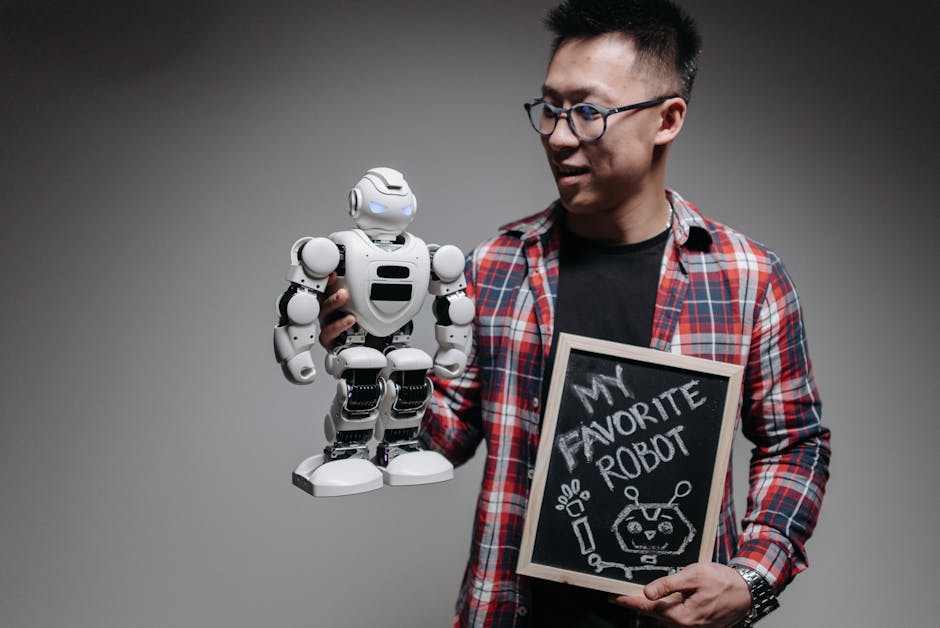
AI is reshaping stock photography, raising questions about the future of creative careers in this sector.

San Francisco, USA — The rise of artificial intelligence (AI) is revolutionizing stock photography, pushing traditional photographers to rethink their roles in an increasingly automated landscape. companies like Shutterstock and Adobe are integrating AI technology to enhance their offerings, creating smarter content that raises questions about the future of the profession.
This transformation is not merely a trend; it represents a significant shift in how images are created, accessed, and utilized. As AI algorithms develop capabilities to generate high–quality images, the demand for traditional stock photography may decline, posing a challenge for freelance photographers and established artists.
AI technology has advanced rapidly in recent years. In 2023, Shutterstock launched its AI image generator, which allows users to create original images based on text prompts. This tool is part of a broader strategy to harness AI for content creation, enabling users to generate images on demand without the need for human photographers. As a result, the platform reported a 30% increase in user engagement in the months following the launch of its AI tools [1].
 Career Advice
Becoming the Go-To Expert: A Modern Guide
Discover how to position yourself as an authority in your field and become the go-to expert with these actionable strategies.
Read More →Moreover, Adobe’s suite of creative tools has incorporated AI features like Adobe Sensei, which assists in image editing and organization. These innovations streamline the workflow for users and provide them with significant advantages, leading to a potential oversaturation of the market with AI-generated images. The implications for human photographers are profound: with AI capable of producing images that meet diverse needs, the economic viability of traditional photography may be at risk.
These innovations streamline the workflow for users and provide them with significant advantages, leading to a potential oversaturation of the market with AI-generated images.
The implications of this shift extend beyond just the photographers. businesses and marketers are increasingly turning to AI-generated images for their campaigns. According to a survey by the american marketing Association, 62% of marketers believe AI-generated visuals will be a critical component of their content strategies by 2025 [2]. This surge in AI usage is prompting companies to reassess their budgets, potentially reallocating funds away from hiring photographers towards investing in AI tools.
However, the rise of AI in stock photography also presents opportunities. Photographers can adapt by leveraging AI tools to enhance their creative processes rather than viewing them solely as competitors. For instance, AI can assist in generating ideas, streamlining editing, or even providing inspiration for new projects. This shift encourages a symbiotic relationship between technology and creativity, where photographers utilize AI to augment their work rather than replace it.
Nonetheless, the challenge remains: how can photographers differentiate themselves in a market flooded with AI-generated content? One strategy is to focus on niche markets that require a human touch, such as lifestyle photography or storytelling through images. A report from the international center for Photography suggests that authenticity and emotional connection are key drivers for consumers, which AI may struggle to replicate [3].
 Career Development
Harnessing Energy Management for Enhanced Productivity
Explore why energy management is crucial for productivity and performance. Discover actionable strategies to enhance your vitality at work.
Read More →As the stock photography landscape evolves, it is crucial for photographers to stay informed about technological advancements. This includes understanding how AI can be integrated into their workflows and exploring new business models that prioritize creativity and uniqueness. For instance, some photographers are experimenting with selling exclusive rights to their images, offering clients a distinct advantage that AI-generated images cannot provide.
Looking ahead, the challenge for photographers will be to carve out their space in a world where AI is becoming increasingly prevalent. embracing continuous learning and innovation will be essential. As the industry shifts, those who adapt and leverage technology effectively are more likely to thrive.
This includes understanding how AI can be integrated into their workflows and exploring new business models that prioritize creativity and uniqueness.
while AI poses challenges to the traditional stock photography model, it also opens doors for new forms of creativity and expression. The future of photography may not be about replacing human photographers but rather redefining their roles in a technology–driven world. As we move forward, the question remains: how will creatives harness AI to enhance their artistry and redefine their place in the market?