
North America is undergoing significant changes in wage dynamics, influenced by the rise of artificial intelligence (AI), ongoing negotiations surrounding the United States-Mexico-Canada Agreement (USMCA), and the escalating Colorado River crisis. Recent discussions indicate that while AI has not yet resulted in mass layoffs, it is contributing to wage stagnation in sectors heavily impacted by automation. As companies increasingly adopt AI technologies, the implications for labor markets are becoming more pronounced.
Former IBM CEO Sam Palmisano emphasized the importance of companies having contingency plans for AI implementation, highlighting the need to balance technological advancements with human labor. This perspective aligns with findings from Career Ahead’s analysis, which indicates that sectors such as manufacturing and agriculture are particularly vulnerable to AI-induced wage pressures.
AI’s Influence on Wage Stagnation Across Various Sectors
The integration of AI into various industries is reshaping the labor landscape. Research from Career Ahead identifies that occupations involving routine tasks are at the highest risk of wage stagnation. For example, roles in data entry, assembly line work, and certain agricultural positions are increasingly being automated, leading to reduced demand for human labor in these areas.
Data from PhET Interactive Simulations reveals that the automation of routine tasks has resulted in a noticeable decline in entry-level positions, particularly in manufacturing and agriculture. Workers in these fields may face stagnant wages or limited opportunities for advancement as AI technologies become more prevalent.
Moreover, the impact of AI on wage growth is not uniform across all sectors. High-skill jobs, such as software engineering and data analysis, have seen significant wage increases due to the demand for specialized skills. However, this growth contrasts sharply with stagnation in lower-skilled roles, creating a widening wage gap that HR professionals must address.
Career Ahead’s analysis suggests that the disparity in wage growth between high-skill and low-skill jobs is likely to persist. As companies continue to invest in AI technologies, workers in lower-skilled positions may need to acquire new skills to remain competitive in the job market. This shift underscores the importance of targeted training programs and workforce development initiatives.
However, this growth contrasts sharply with stagnation in lower-skilled roles, creating a widening wage gap that HR professionals must address.
Furthermore, the implications of wage stagnation extend beyond individual workers. Companies may struggle to retain talent if compensation does not keep pace with inflation and rising living costs. This situation creates a pressing need for HR professionals to reassess compensation strategies and consider the long-term effects of AI on their workforce.
 Industry & Global Trends
Paytm, Mobikwik, Pine Labs Shares Plunge Amid UPI MDR Delay
Shares of Paytm, Mobikwik, and Pine Labs have seen a significant drop due to concerns over the delay in the UPI Merchant Discount Rate policy.…
Read More →USMCA’s Impact on Labor Relations and Wage Structures
The United States-Mexico-Canada Agreement (USMCA) is another critical factor influencing wage dynamics in North America. Recent discussions suggest that while Canada may have avoided immediate tariff threats, the agreement’s long-term implications for labor relations are significant. Increased pressure on wages in the manufacturing sector could lead to heightened tensions between labor and management.
As companies navigate the complexities of USMCA compliance, they may face challenges in maintaining competitive wages while adhering to new labor standards. Reports from Aurora’s local government indicate that the manufacturing sector is particularly sensitive to changes in trade agreements, which can directly impact wage structures.
Moreover, the USMCA’s provisions aimed at improving labor conditions in Mexico could lead to a reshoring of manufacturing jobs back to the U.S. and Canada. While this trend may create new job opportunities, it could also exacerbate wage stagnation in sectors where automation is prevalent.

Career Ahead research indicates that HR professionals must be proactive in addressing these challenges. As the labor market evolves, companies will need to develop strategies that balance compliance with USMCA regulations and the need for competitive compensation packages. This balancing act will be crucial in attracting and retaining talent in an increasingly automated landscape.
Career Ahead research indicates that HR professionals must be proactive in addressing these challenges.
The Colorado River Crisis and Its Effects on Agricultural Wages
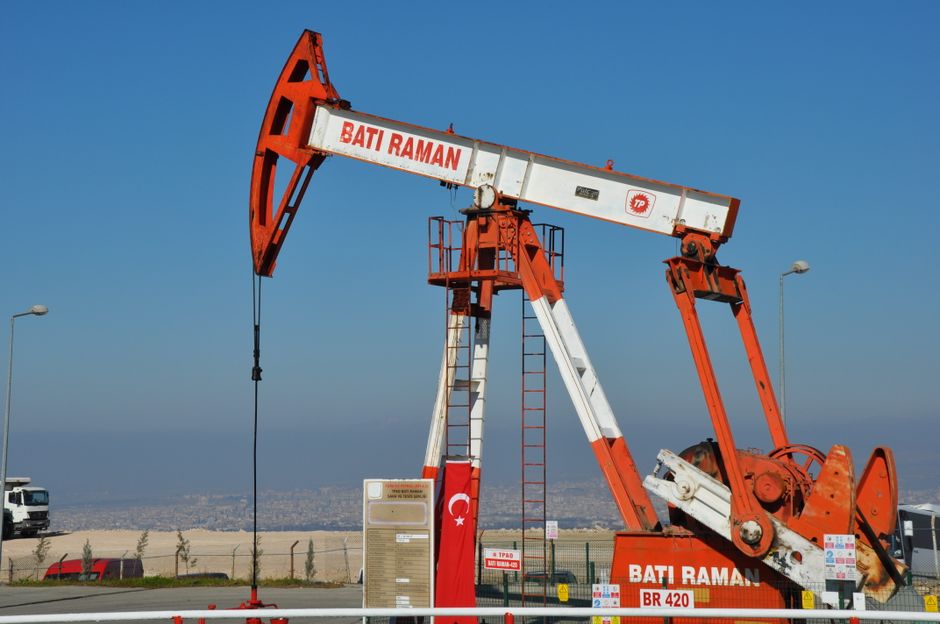
The ongoing Colorado River crisis presents additional challenges for agricultural wage dynamics in the region. As water scarcity becomes a pressing issue, farmers are facing increased costs and reduced yields, which can lead to downward pressure on wages. The agricultural sector is particularly vulnerable to environmental factors, and the implications of the Colorado River crisis are likely to be felt in labor markets for years to come.
According to data from Aurora Water Maps, the agricultural workforce is already experiencing significant stress due to rising operational costs and unpredictable weather patterns. These challenges may result in stagnating wages for farm workers, further complicating the landscape for HR professionals in the sector.
 Industry & Global Trends
Oil and Gas Prices Surge Amid Middle East Shipping Attacks
The attacks in the Strait of Hormuz have triggered a significant rise in oil prices, impacting bond yields and stock markets globally.
Read More →Career Ahead’s analysis suggests that as the agricultural sector grapples with these challenges, companies may need to explore innovative compensation models that reflect the changing realities of the industry. This could involve offering non-monetary benefits or flexible work arrangements to attract and retain talent in a difficult environment.
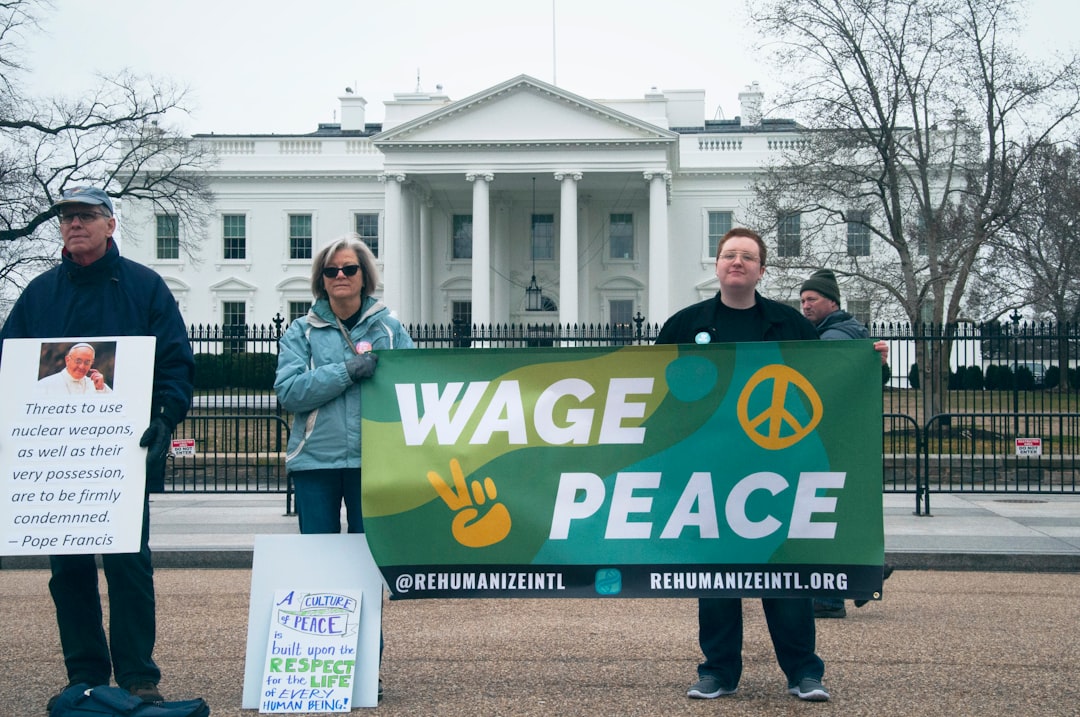
Additionally, the intersection of AI and agriculture presents both challenges and opportunities. While AI technologies can enhance efficiency in farming practices, they may also lead to job displacement for lower-skilled workers. This duality creates a complex landscape for labor relations in the agricultural sector, where wage stagnation may be exacerbated by both environmental and technological factors.
As the Colorado River crisis continues to unfold, HR professionals and labor economists must remain vigilant in monitoring its impact on agricultural wages. The interplay between environmental factors, AI integration, and labor market dynamics will shape the future of work in this critical sector.
The interplay between environmental factors, AI integration, and labor market dynamics will shape the future of work in this critical sector.
Addressing Wage Stagnation: Strategies for HR Professionals
In light of these developments, HR professionals can take proactive steps to mitigate wage stagnation caused by AI and other external factors. This includes reassessing compensation strategies, investing in employee training programs, and focusing on upskilling workers to help them adapt to the changing job landscape driven by AI.
Occupations most affected by AI-related wage changes include those involving routine tasks, such as data entry and assembly line work. Conversely, high-skill roles in technology and data analysis are experiencing wage growth. Wage analysts should consider these disparities when evaluating the impact of AI on labor markets and the long-term implications of AI integration on job displacement and the evolving nature of work.

The implications of these developments are profound. As AI technologies continue to evolve and the effects of the Colorado River crisis deepen, the landscape of wage growth in North America will likely undergo significant changes. Stakeholders must prepare for a future where adaptability and strategic foresight are essential for navigating the complexities of the labor market.
 Industry & Global Trends
Fed Signals Flexibility in Rate-Hike Timing Amid Inflation Concerns
The Federal Reserve's recent comments on rate-hike flexibility signal potential shifts in monetary policy that could reshape investment strategies for financial analysts and investment managers.…
Read More →Written by Career Ahead AI. AI can make mistakes, so verify key facts. Report errors to support@careeraheadonline.com.