No products in the cart.

Another Setback for Barclays Amid Shadow Banking Risks
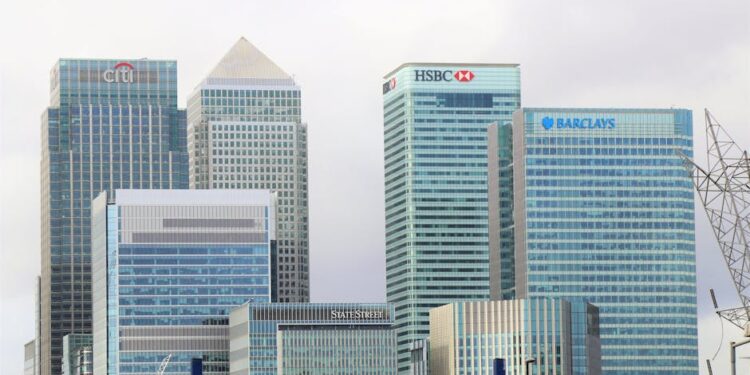
Barclays faces significant challenges due to shadow banking risks, reporting substantial impairment charges linked to fraud allegations. Despite these setbacks, the bank's overall financial performance remains strong, prompting a reevaluation of risk management strategies across the banking sector.

UK — Barclays has recently experienced another significant setback due to issues in the shadow banking sector. The bank reported a £228 million impairment charge linked to the collapse of Market Financial Solutions (MFS), a UK mortgage firm, which faced allegations of fraud. This comes just months after a £110 million hit from Tricolor, a US sub-prime auto lender, also tied to fraud claims. Despite these challenges, Barclays’ overall financial performance remains strong, with a 3% increase in pre-tax profits, reaching £2.8 billion in the first quarter of 2026.
CS Venkatakrishnan, Barclays’ CEO, has emphasized the bank’s commitment to tightening its lending practices in response to these incidents. He stated that the bank would be more selective in its lending to structured finance counterparties considered high-risk. This shift raises questions about the bank’s previous risk management strategies and whether they were adequate in preventing such exposures.
Shadow Banking: A Growing Concern
Shadow banking refers to financial activities conducted by non-bank financial institutions that operate outside traditional banking regulations. These entities often engage in lending and investment activities similar to banks but without the same level of oversight. The Financial Stability Board (FSB) has warned that the lack of regulation in this sector poses significant risks to the broader financial system.
According to saferbankingresearch.com, the rise of shadow banking has been linked to increased financial instability. The FSB’s recent reports highlight concerns that these institutions could trigger another financial crisis if left unchecked. The opaque nature of shadow banking makes it difficult for regulators to assess risks accurately, which is particularly alarming given the recent failures.
As they navigate this complex landscape, they must balance the pursuit of profits with the need for stringent risk management.
The implications for banks like Barclays are profound. As they navigate this complex landscape, they must balance the pursuit of profits with the need for stringent risk management. The recent hits to Barclays’ financials underscore the potential consequences of inadequate oversight in lending practices.
Barclays’ Strategic Adjustments
You may also like
 Entrepreneurship & Business
Nscale Hires Meta’s Justin Osofsky to Be COO Ahead of IPO
Nscale has appointed Justin Osofsky as COO, leveraging his extensive experience from Meta to enhance operational efficiency ahead of its IPO. This strategic hiring reflects…
Read More →In light of the recent challenges, Barclays is taking steps to enhance its risk management. The bank’s leadership has acknowledged the need for greater vigilance in its lending practices, particularly concerning structured finance transactions. Venkatakrishnan’s comments reflect a shift towards a more cautious approach, aiming to mitigate future risks.
Barclays’ commitment to curbing risky lending is crucial for maintaining investor confidence. According to finance.biggo.com, despite the setbacks, the bank’s underlying operations remain robust, allowing it to continue with its planned £500 million share buyback. This indicates that Barclays is still confident in its overall financial health, despite the recent challenges.
As financial institutions grapple with the complexities of risk management, the need for transparency and accountability becomes increasingly critical.
Implications for the Banking Sector
The recent events at Barclays may serve as a cautionary tale for other banks operating in the shadow banking space. As financial institutions grapple with the complexities of risk management, the need for transparency and accountability becomes increasingly critical. The potential for systemic risks in shadow banking could have far-reaching implications for the entire financial sector.

Regulators are likely to respond to these incidents with increased scrutiny of shadow banking activities. The FSB and other regulatory bodies may implement stricter guidelines to monitor non-bank financial institutions more effectively. This could lead to a shift in how banks approach their lending strategies, particularly in high-risk areas.

For investors, the recent developments at Barclays underscore the importance of understanding the risks associated with shadow banking.
Investor Considerations Amidst Challenges
You may also like
 Entrepreneurship & Business
Amazon Launches Ultra-Fast Delivery in 120+ Indian Cities
Amazon has expanded its ultra-fast delivery service, Amazon Now, to over 120 cities in India, doubling its reach in just two weeks. This growth signifies…
Read More →For investors, the recent developments at Barclays underscore the importance of understanding the risks associated with shadow banking. While the bank’s profits have remained strong, the potential for further setbacks raises questions about the long-term stability of such investments. Stakeholders must weigh the risks against the potential rewards when considering their positions in Barclays or similar financial institutions.
Additionally, the current environment may prompt investors to seek out banks with more transparent lending practices. Institutions that prioritize risk management and demonstrate a commitment to responsible lending may attract more interest from cautious investors.