Anti-migrant protests in June 2026 forced the eviction of immigrant students and families from Durban, Johannesburg, and Benoni, disrupting education and prompting humanitarian concerns.
Anti-migrant protests in June 2026 led to forced evictions of immigrant students and families from Durban, Johannesburg, and Benoni, disrupting education and prompting humanitarian concerns.Civil-society groups say the government has not intervened to protect the affected residents.
In early June 2026, anti-migrant protests escalated in several South African cities, leading to forced evictions of immigrant students and their families from informal settlements and university hostels [1]. The incidents were reported on June 8, June 19, June 25, and June 30, with the largest march involving more than 2,000 participants in Durban on June 30 [2].
The displaced individuals include students enrolled at tertiary institutions in Durban and Johannesburg, as well as families residing in nearby informal settlements [1]. Civil-society organisations Kopanang Africa Against Xenophobia (KAAX) and Siyafana Sonke Action Campaign documented the evictions and called for government protection [1]. Protesters and vigilante groups, some armed with knives and clubs, confronted residents, prompting police to intervene only after the violence had begun [4].
Timeline and Geographic Scope of the Protests
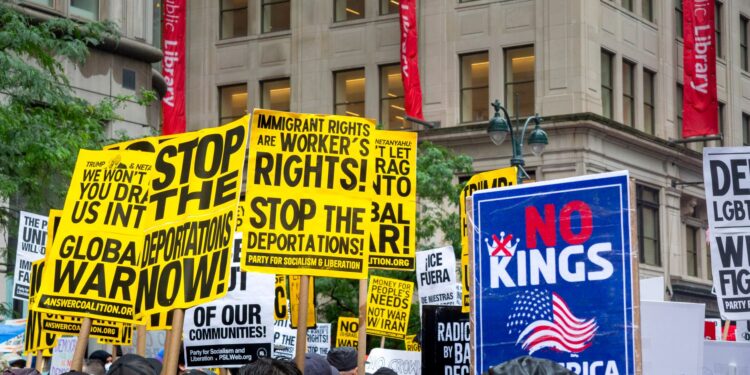
The first documented protest in the series occurred on June 8 in Benoni, a township east of Johannesburg, where demonstrators demanded the deportation of undocumented immigrants [4]. On June 19, police escorted a group of Malawian migrants to a temporary detention centre in Durban, a response to growing tensions after earlier demonstrations [3]. A second wave of protests on June 25 was reported in Johannesburg, where several university hostels housing foreign students were targeted for forced removal [1]. The final and largest demonstration took place on June 30, when more than 2,000 anti-foreigner protesters marched through Durban, some entering residential areas and prompting the evacuation of immigrant households [2].
The incidents were concentrated in three urban centres: Durban on the east coast, Johannesburg in the Gauteng province, and Benoni, a suburb of Johannesburg. In each location, the protests were organized by local anti-immigrant groups, and the forced evictions were carried out by protest participants and, in some cases, by municipal authorities responding to security concerns [1][4].
A second wave of protests on June 25 was reported in Johannesburg, where several university hostels housing foreign students were targeted for forced removal [1].
Actors Involved and Mechanisms of the Evictions
Anti‑Migrant Protests Trigger Forced Evictions of Immigrant Students in South Africa
Immigrant students from countries including Malawi, Zimbabwe, and the Democratic Republic of Congo were among those directly affected [3]. Their families, many of whom live in informal settlements adjacent to university campuses, were also displaced [1]. Civil-society groups KAAX and Siyafana Sonke Action Campaign reported that the government’s response was limited to issuing statements, without deploying additional security forces to prevent the evictions [1].
Protesters organized rallies through social media platforms and local community networks, calling for the removal of undocumented migrants. During the June 30 Durban march, participants broke through barricades erected by local authorities, entering residential zones and compelling residents to leave their homes under threat of violence [2][4]. Police intervened after reports of assaults, but the intervention occurred after several families had already vacated the premises [2].
The government’s Department of Home Affairs confirmed that it was monitoring the situation but did not disclose specific protective measures for the affected students [1]. Local municipalities in Durban and Johannesburg issued temporary relocation assistance for some families, but the assistance was limited and did not cover all displaced individuals [3].
Immediate Impact on Students and Educational Institutions
The forced evictions have disrupted the academic activities of dozens of foreign students, who reported loss of personal belongings, interruption of coursework, and inability to attend classes [1][4]. Universities in Durban and Johannesburg have issued notices indicating that affected students may need to seek alternative accommodation and have appealed to the Ministry of Higher Education for emergency housing support [3].
Immigrant families expressed heightened anxiety and reported living in “extreme fear” of further attacks, leading some to consider leaving South Africa altogether [4]. The displacement has also affected school enrolment for younger children in the families, as temporary shelters lack adequate facilities for education [2].
The broader humanitarian situation has intensified, with reports of increased deportations and a rise in the number of migrants seeking asylum at border posts [3]. The disruptions to housing and safety have been identified as barriers to continued study for foreign students, potentially influencing enrollment trends for South African higher-education institutions in the coming academic year [1].
Key Facts
Universities in Durban and Johannesburg have issued notices indicating that affected students may need to seek alternative accommodation and have appealed to the Ministry of Higher Education for emergency housing support [3].
What: Anti-migrant protests in June 2026 led to forced evictions of immigrant students and families in Durban, Johannesburg, and Benoni.
When: Incidents reported on June 8, June 19, June 25, and June 30, 2026.
The Ministry of Health and Family Welfare announced on August 1, 2026 a set of reforms for NEET‑PG 2026, including a single‑shift format, 180 questions in 210 minutes,…



 News
NewsNews