No products in the cart.

Arctic shipping routes and container carriers
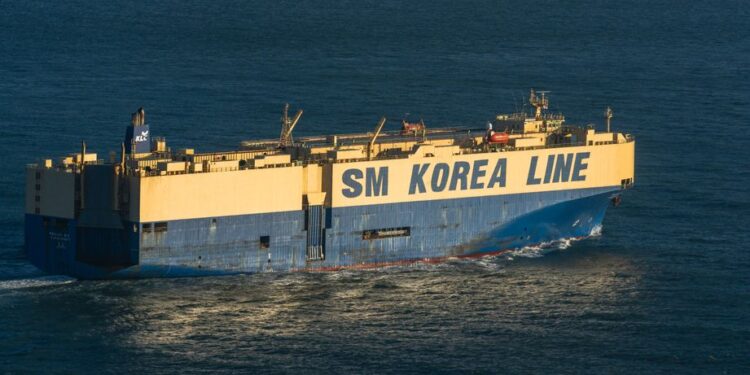
This development is noteworthy as it marks the first instance of a South Korean shipping line operating in the Arctic, highlighting a broader trend of nations exploring alternative shipping routes

South Korea’s PanStar Group has officially entered the Arctic shipping market, launching a pilot program to connect Busan with major European ports, including Rotterdam, Hamburg, and Gdansk. This initiative, announced on August 11, 2026, aims to reduce shipping times significantly, taking only about three weeks to traverse the northern sea route compared to the approximately six weeks required via the Suez Canal.
This development is noteworthy as it marks the first instance of a South Korean shipping line operating in the Arctic, highlighting a broader trend of nations exploring alternative shipping routes due to changing global trade dynamics. As geopolitical tensions continue to shape maritime logistics, the Arctic route offers a promising solution for shipping companies looking to optimize their operations. According to a report by Bloomberg, the Arctic route remains small and seasonal, but it illustrates how wars and tariffs are rewiring global trade, making this entry particularly timely.
Increased Competition in Arctic Shipping Routes
The entry of South Korea into Arctic shipping routes introduces a new layer of competition in a market that has traditionally been dominated by a few key players. Companies like Maersk and MSC have long held sway over these routes, but the arrival of PanStar Group signals a shift that could disrupt established shipping patterns. With the potential for faster transit times, other shipping lines may be compelled to adapt their strategies to remain competitive.
Career Ahead analysis identifies that this increased competition could lead to lower shipping costs for businesses reliant on these routes. As more players enter the market, the dynamics of pricing and service offerings will likely evolve. Logistics managers will need to monitor these changes closely to optimize their supply chains and cost structures. Furthermore, the introduction of new services through the Arctic may encourage further investments in port infrastructure and logistics capabilities in the region. As shipping volumes increase, ports in northern Europe and Russia may expand their facilities to accommodate larger vessels and higher traffic, further reshaping the logistics landscape.
Career Ahead analysis identifies that this increased competition could lead to lower shipping costs for businesses reliant on these routes.
You may also like
 Featured
Rupee Falls to 95.38 Against U.S. Dollar Amidst Market Pressures
The Indian rupee has depreciated to 95.38 against the U.S. dollar, raising concerns about import costs and financial forecasting amid ongoing market pressures.
Read More →However, this competitive environment also poses challenges. Logistics managers must navigate the complexities of increased operational risks and uncertainties associated with Arctic shipping, such as unpredictable weather conditions and ice navigation issues. This necessitates a strategic approach to risk management and contingency planning. The potential for delays due to ice conditions or severe weather could impact delivery schedules, making it imperative for companies to develop robust operational protocols.
As highlighted by sources like China Daily, the Arctic shipping market is not just about speed; it also involves understanding the intricate balance of environmental concerns and commercial interests. The need for sustainable practices in Arctic navigation is becoming increasingly important as more companies venture into these waters, raising questions about the long-term viability of such routes.
Geopolitical Tensions and Their Impact on Shipping Logistics
The Arctic region has long been a focal point for geopolitical tensions, particularly among countries like Russia, Canada, and the United States. As South Korea joins the fray, the dynamics of these tensions could further complicate shipping logistics. The Arctic’s strategic importance is underscored by its rich natural resources and potential shipping advantages, making it a contested area for various nations.
Career Ahead’s analysis shows that as more countries seek to capitalize on Arctic shipping routes, logistics managers must be aware of the geopolitical landscape.
Career Ahead’s analysis shows that as more countries seek to capitalize on Arctic shipping routes, logistics managers must be aware of the geopolitical landscape. Changes in international relations, sanctions, and trade agreements can directly impact shipping operations. For instance, increased military activity in the region may lead to heightened security measures, affecting shipping schedules and costs. The involvement of South Korea may prompt other nations to reassess their positions and strategies in the Arctic, potentially leading to new alliances or tensions that could impact the overall stability of shipping routes.
Furthermore, the collaboration between shipping companies and governments becomes crucial in this context. Establishing clear communication channels and partnerships can help mitigate risks associated with geopolitical uncertainties, ensuring smoother operations in the Arctic. As noted by BBC, the evolving geopolitical landscape necessitates that logistics managers stay informed about these developments to anticipate potential disruptions and adjust their strategies accordingly.
You may also like
 Industry & Global Trends
Businesses Face Urgent Need to Adapt to Climate Change
As extreme weather events escalate, businesses must urgently adapt to climate change. This shift not only impacts operations but also creates new demands for sustainability…
Read More →
In this rapidly changing environment, the ability to navigate geopolitical tensions and operational risks will be paramount for success. The Arctic shipping routes, once considered a marginal option, are now becoming a central focus for global trade, driven by technological advancements and shifting geopolitical dynamics. As such, logistics managers must remain vigilant and adaptable to thrive in this new reality.
The implications of South Korea’s entry into Arctic shipping routes are profound. This move not only alters the competitive landscape but also highlights the need for logistics managers to adapt to new trade patterns and seasonal challenges. As the Arctic becomes increasingly relevant in global trade, the ability to navigate geopolitical tensions and operational risks will be paramount for success.
Looking ahead, the evolution of Arctic shipping routes will likely continue to unfold, driven by technological advancements and changing geopolitical dynamics. Logistics managers must remain vigilant and adaptable to thrive in this rapidly changing environment.
Developing contingency plans and ensuring vessels are ice-class certified are essential for successful navigation.
Frequently Asked Questions
What does South Korea’s entry into Arctic shipping routes mean for logistics managers?
South Korea’s entry into Arctic shipping routes introduces new competition and potential cost reductions for logistics managers. They must adapt to changing shipping dynamics and operational challenges in the region.
How can Arctic shipping experts prepare for increased competition?
Arctic shipping experts should focus on understanding the evolving competitive landscape and invest in technology and infrastructure to enhance operational efficiency. Collaboration among stakeholders will also be key in navigating challenges.
What should shipping logistics managers consider when planning for seasonal Arctic routes?
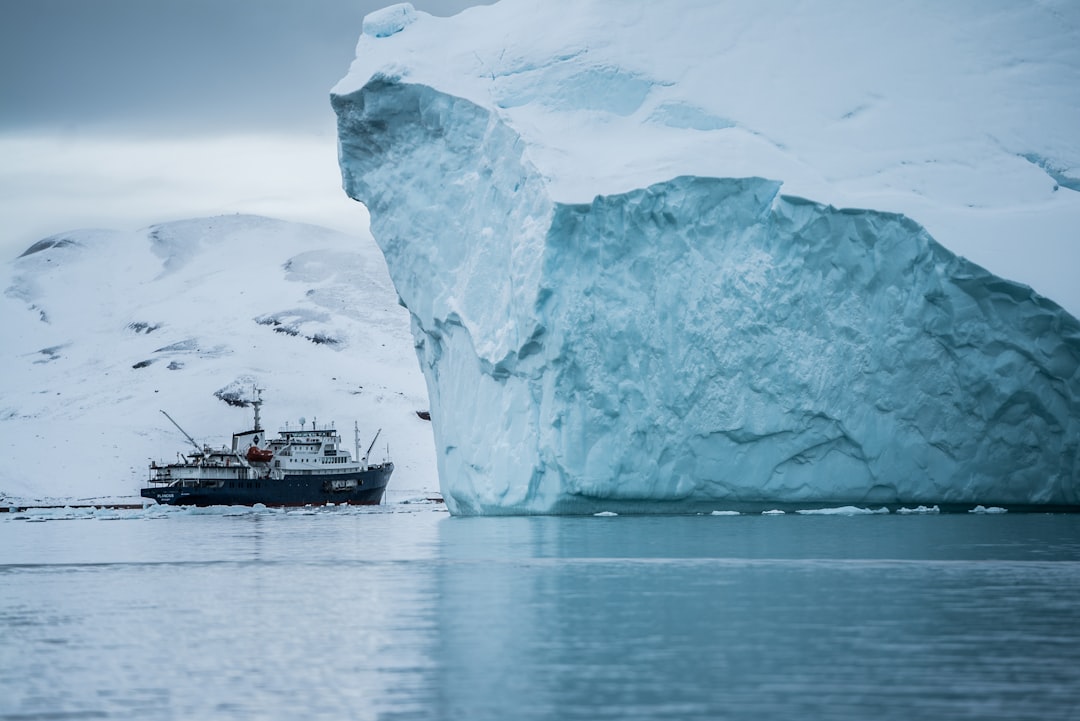
Logistics managers must account for the limited operational window in the Arctic and the unpredictability of weather conditions. Developing contingency plans and ensuring vessels are ice-class certified are essential for successful navigation.
You may also like
 Industry & Global Trends
AI Becomes Core Intelligence in India’s Fintech Shift
India's fintech ecosystem is transforming as AI becomes a core intelligence layer, enabling smarter decisions and enhancing financial services. This shift is supported by foundational…
Read More →