No products in the cart.

Three dynamics shaping AI-generated art and human creativity
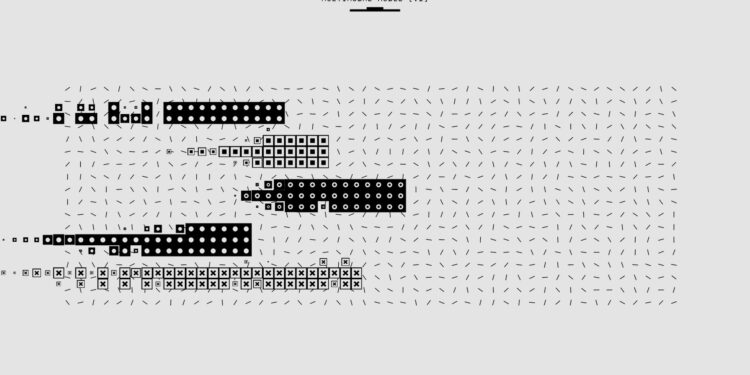
A mid-size game studio swaps a composer for AI, sparking a broader look at how cost pressures and platform policies drive creators toward tool-centric production while risking creative homogenization.

PixelForge, a mid-size indie game studio, voted to replace its freelance composer with an AI-driven music engine for its upcoming title. The decision came after a three-month pilot that cut soundtrack costs by roughly half while delivering tracks that matched the game’s mood board.
At the same time, Lena, a freelance visual artist, accepted an AI-generated album cover for a client, only to watch the client request a “human touch” after the launch. She spent another week re-working the piece by hand, adding the imperfections the client said felt “authentic.”
The move exemplifies the tool-centric turn in creative production
PixelForge’s shift mirrors a growing belief that AI belongs in the toolbox, not on the assembly line. Studios view generative models as speed boosters, allowing small teams to punch out content that would otherwise require a full department. The same logic drives record labels that partner with streaming platforms to launch “artist-first” AI music products, promising creators a share of the revenue while the algorithm handles the heavy lifting.
Artists like Ben Templesmith warn that the convenience comes at a cost.
Artists like Ben Templesmith warn that the convenience comes at a cost.
“AI can only churn out generic variations of existing styles; it lacks the messy intuition that makes art resonate.” – Ben Templesmith, visual artist
When the output feels interchangeable, audiences begin to notice a flattening of aesthetic diversity. The more studios lean on a handful of popular models, the more the cultural landscape converges toward a shared visual and sonic vocabulary.
Structural pressures make augmentation inevitable
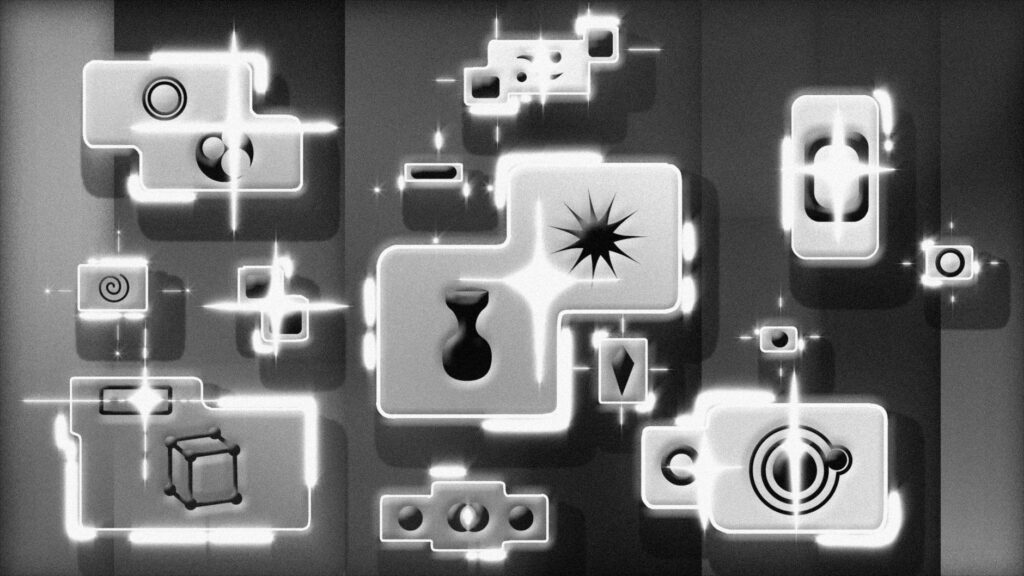
Cost pressures sit at the heart of the shift. Production budgets that once allocated generous funds for composers, illustrators, and sound designers now squeeze every line item. Platforms that reward high-volume uploads further incentivize creators who can flood the market with AI-augmented work.
Platform policies also nudge creators toward AI. Streaming services are rolling out “responsible AI” guidelines that require metadata tags for generated content, effectively normalizing its presence. The guidelines promise transparency but also embed AI into the discovery algorithms that decide which tracks surface for listeners.
These forces create a feedback loop: more AI-generated content lowers the bar for entry, attracting newcomers who lack traditional training, which in turn dilutes the pool of distinctive voices. The result is a paradox where individual creators feel empowered by a tool yet collectively lose the novelty that once defined their fields.
Our view is that the tension between empowerment and homogenization will define the next decade of creative work. We see studios investing in prompt-engineering teams, while artists double-down on storytelling that machines cannot replicate. The battle lines are no longer about “human versus machine” but about who can best integrate algorithmic assistance without surrendering their unique narrative.
You may also like
 AI & Technology
Five Takeaways From Zuckerberg’s 6,500-Word Manifesto on AI
This manifesto comes at a pivotal moment as tech companies increasingly rely on AI to drive innovation. With major players like OpenAI and Anthropic advocating…
Read More →Our view is that the tension between empowerment and homogenization will define the next decade of creative work.
Edge cases where human-only creation still thrives
Live performance remains a stronghold for human creators. Musicians who improvise on stage or visual artists who paint murals in real time offer experiences that an algorithm cannot reproduce in the moment. These contexts value the spontaneity and risk that AI deliberately avoids.
High-end commissions—luxury branding, bespoke installations, limited-edition prints—also resist full automation. Clients pay premium prices precisely because they seek the irreplaceable hand of a master craftsman. In these niches, AI serves as a sketching aid rather than a final author.
What you should do next
Treat AI as a collaborator, not a substitute. Learn prompt-crafting basics, then layer your own expertise on top of the generated output. When negotiating contracts, secure clauses that protect your signature style and ensure fair compensation for any AI-augmented contributions.